37% Push Back on AI Influencers: Why Brands Should Pick Human Creators Who Use AI
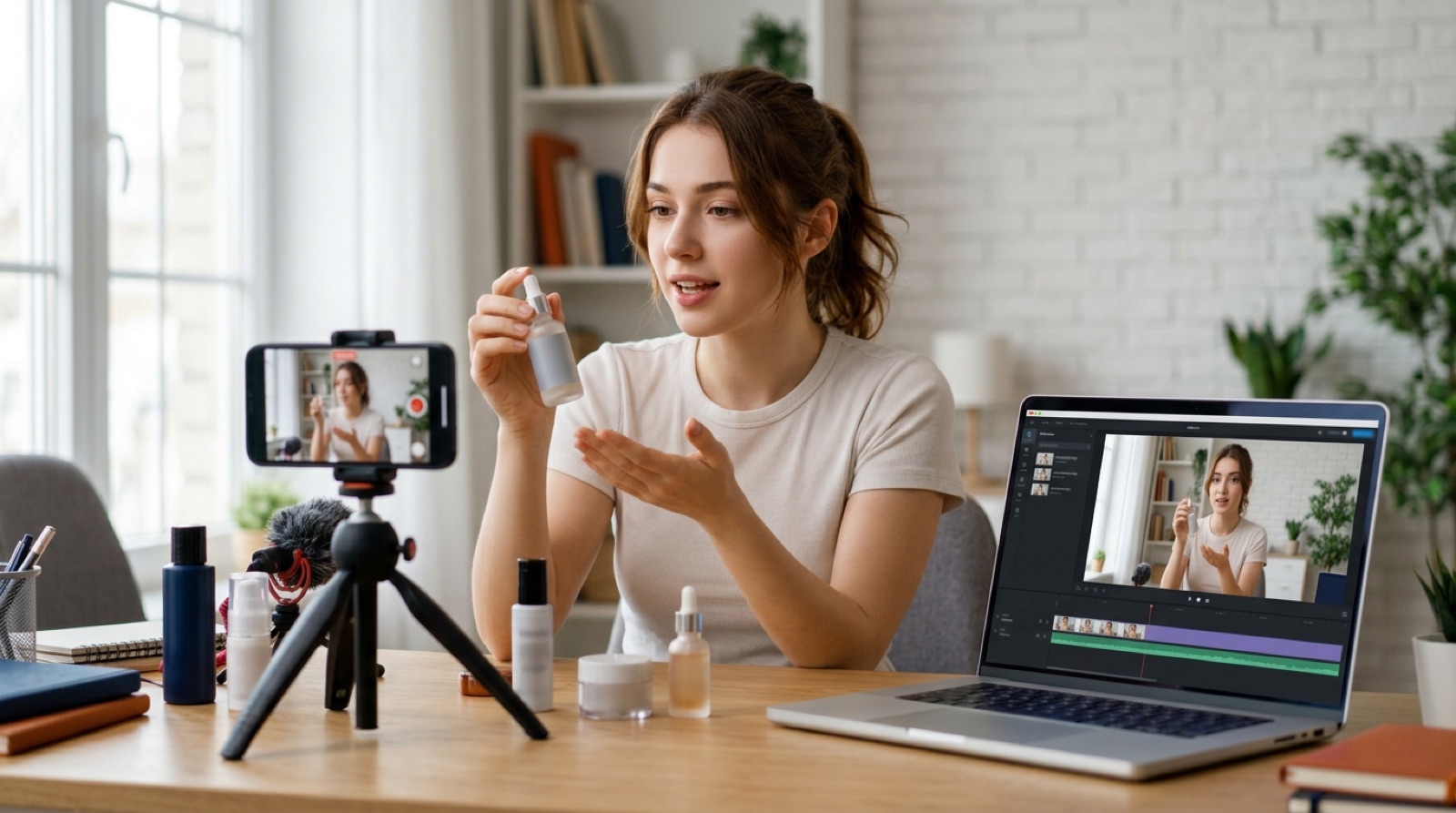
Make an AI video in which an "influencer" who does not exist holds up your product and says it works, and the cost may be a fraction of a traditional shoot. No wonder more brands are tempted. But a global survey released by DoubleVerify on October 14, 2026 offers a clear warning: 37% of consumers respond negatively to brands that use AI-generated influencers, while only 29% respond positively. Human creators who use AI in their work, on the other hand, earn a positive response from 39%. This article walks through the latest data and cases, and how brands considering AI-generated influencers should choose between "fully AI" and "human plus AI."
What the Data Says: AI-Generated Influencers Draw More Negative Than Positive Reactions
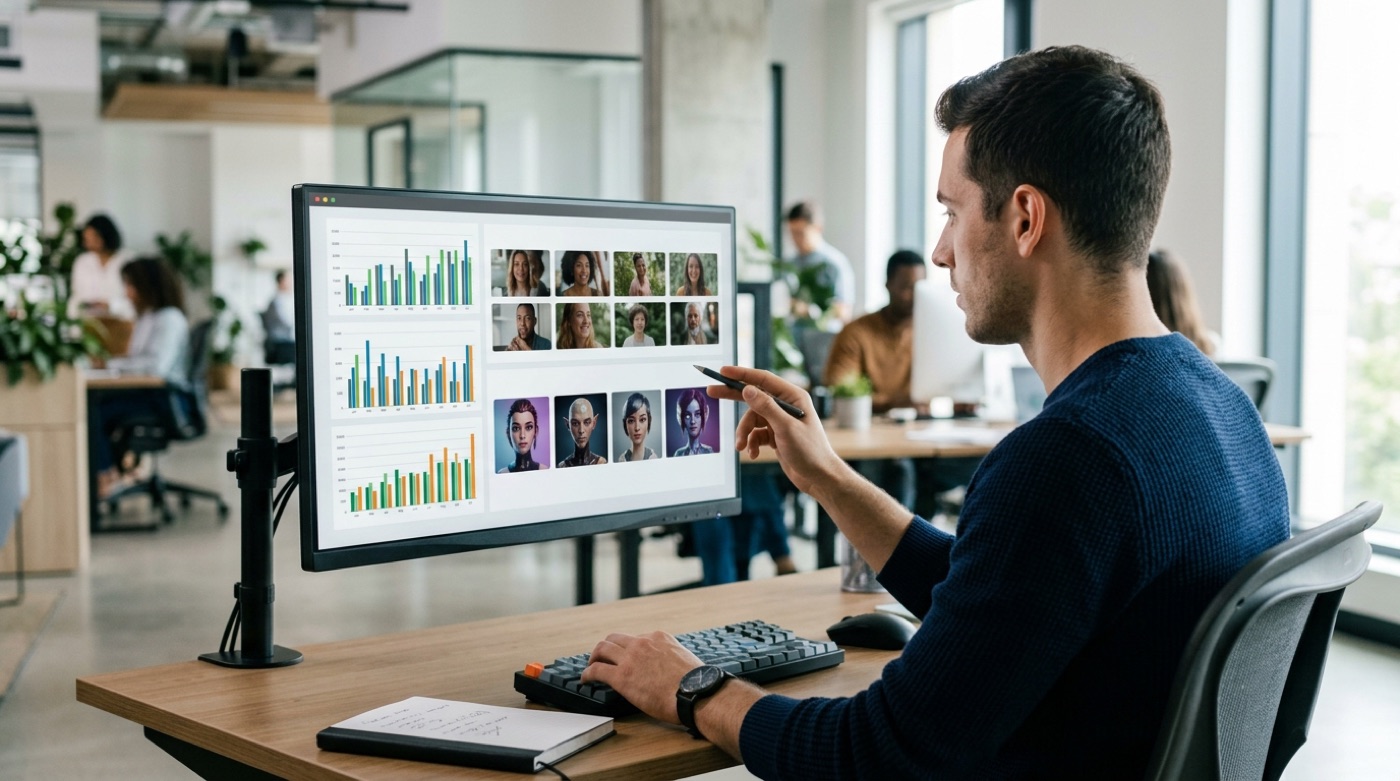
DoubleVerify's 2026 Global Insights Report surveyed 22,000 consumers and 2,020 marketers worldwide, making it a sizable study. Several numbers bear directly on AI video:
- Short-form video drives purchases: 38% of consumers say short-form video ads such as Reels, TikToks and Shorts can prompt a click or purchase, ahead of ads in long-form video (31%) and social feed ads (25%). In APAC the figure reaches 47%.
- Influencers still matter: micro, macro and mega influencers each sway close to half of purchase decisions.
- Fully AI influencers skew negative: 37% respond negatively to brands using AI-generated influencers; only 29% respond positively.
- Humans using AI score better: human creators who use AI to make content earn a positive response from 39%, ten points higher than fully AI influencers.
In other words, consumers care less about whether AI was used and more about whether the person in front of the camera, vouching for the product, is real.
The Cost of Hiding It: When AI Influencers Pose as Real Customers
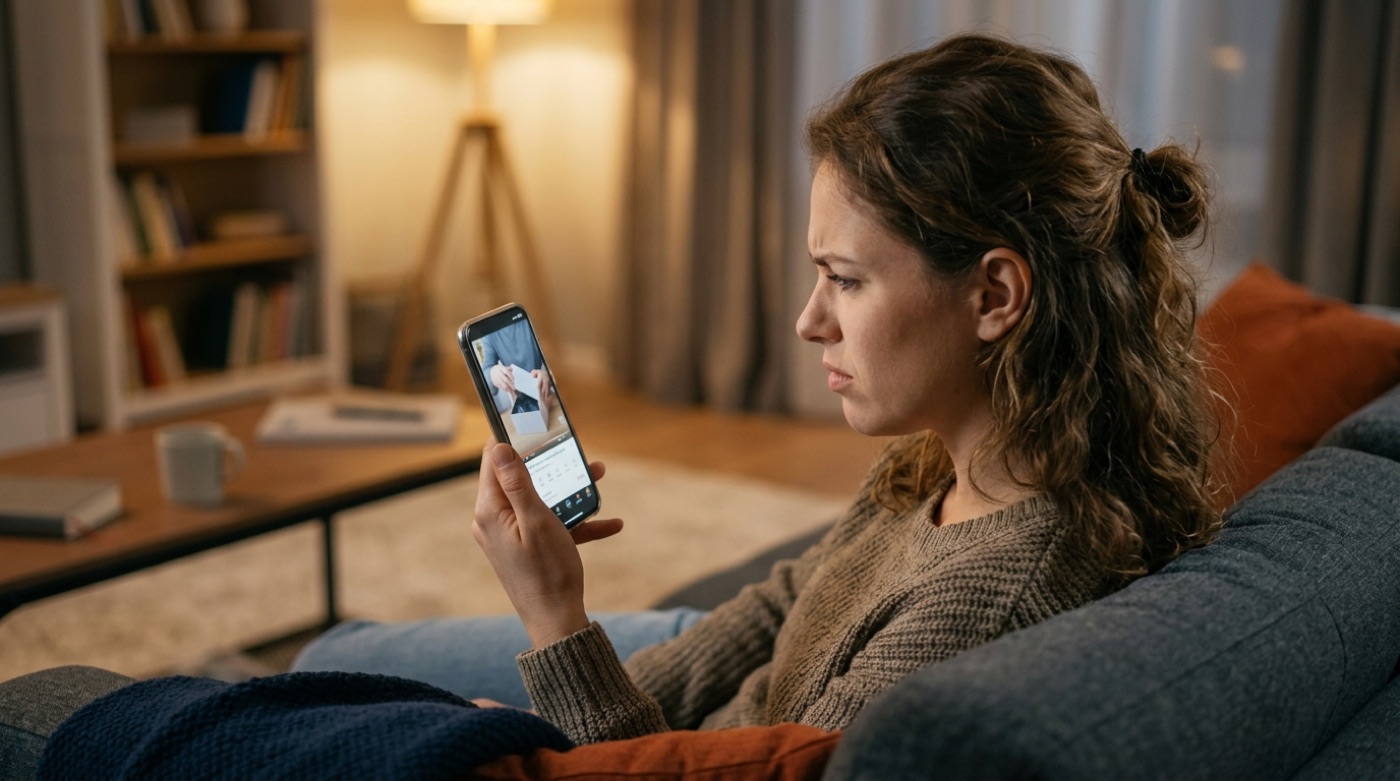
In June 2026, an investigation by The Guardian reported that some brands were using AI-generated "influencers" on Instagram, posing as real customers sharing their experiences without clear disclosure. In the reporting, deepfake detection firm Reality Defender judged some videos as likely AI-generated; a Dubai fashion brand's photo appeared to show a model with an extra finger, and the images were deleted after the reporters asked about them. One company admitted that AI influencers were one way it tested creative concepts at small scale.
The coverage also cited UK consumer group Which?: 70% of people could not correctly identify all the real and fake videos in its test. Consumers may easily be misled, and once the truth comes out, the damage falls on trust a brand has spent years building.
Regulation is tightening too. The EU AI Act's labeling duties took effect in August 2026, as we covered in "The EU AI Act and AI Video Labeling," and New York now requires disclosure of "synthetic performers" in ads; see "New York's Synthetic Performer Disclosure Law."
Human Plus AI, or Fully AI? Choosing Among Three Models
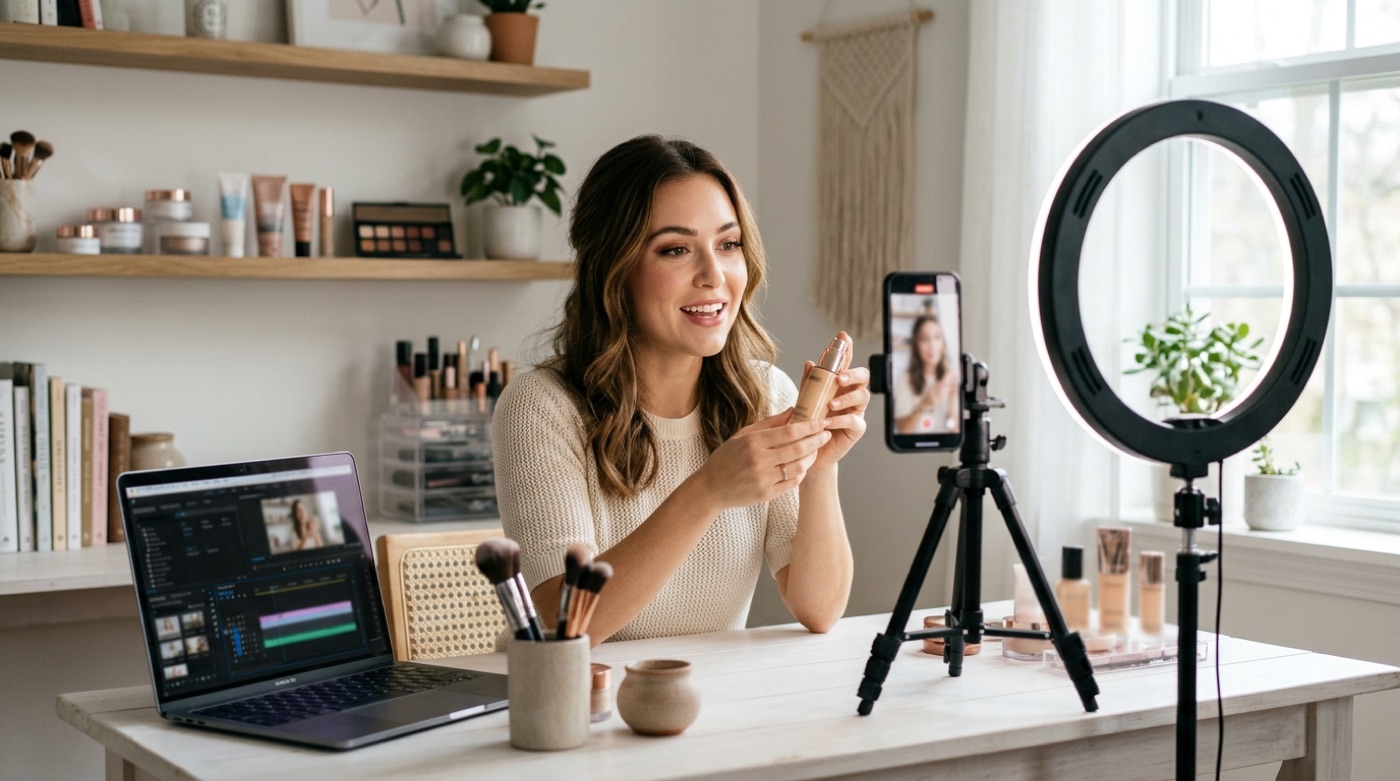
AI-generated influencers are not off-limits; what matters is where you use them and how openly. We suggest brands choose among three models by purpose:
1. Human creator with AI assistance (the safest)
A real person appears on camera and actually uses the product, while AI handles script drafts, editing, captions, multilingual dubbing or version testing. This is the combination with the highest favorability in the DoubleVerify data, and the easiest to keep within platform rules.
2. A clearly fictional brand character
If you want a long-term virtual mascot or character, make it openly known as fictional. Use it for storytelling, feature explainers or entertainment, not to pose as a real user. Keep its look and personality consistent.
3. AI influencers for internal testing only
Use AI to quickly produce different openings and pitches, test which angle works at small scale, then hand the winning concept to a real creator for the final shoot. You keep the speed of AI without letting AI publicly vouch for your brand.
Four Ground Rules Before Using AI-Generated Influencers

Whatever model you choose, write these into your internal guidelines first:
- Never let AI pose as a real customer: testimonials like "my skin improved after three months" must come from people who actually used the product.
- Disclose clearly: label AI-generated content on screen or in the caption, rather than admitting it only after being caught.
- Apply it to affiliates and agencies: when working with agencies or affiliate creators, put the use of AI personas into the contract. Our piece on four rules for AI product videos goes further.
- Have a human review before launch: check for distorted fingers and faces, and make sure no real person's likeness or voice has been borrowed.
Conclusion: AI for Efficiency, People for Endorsement

AI makes video production fast and affordable, but trust cannot be outsourced to an algorithm. The data is clear: consumers accept real people who use AI, yet keep their distance from AI pretending to be real people. Put AI behind the scenes to boost efficiency, and put real people in front of the camera to speak for your brand. AI delivers perfection; people deliver emotion.
If you are planning AI video content, setting AI usage guidelines for your brand, or need a video workflow that balances efficiency with authenticity, take a look at TitApeX's services, or simply get in touch.
References
- DoubleVerify: Global Study: Social Is Reshaping the Path to Purchase as Consumers Embrace Short-Form Video and Human Influencers (October 14, 2026)
- The Guardian: Brands using AI-generated influencers to promote products on social media (June 21, 2026)
- Brit Brief: Brands Secretly Use AI Influencers for Social Media Ads (June 21, 2026)
Comments