AI Product Videos Are Flooding TikTok Shop: Four Rules Brands Should Set for Affiliate Creators

Open TikTok Shop today and the product demo you are watching may never have involved anyone actually trying the product. This summer, The Wall Street Journal reported that TikTok Shop is being flooded with AI product videos: AI-generated demonstrations, virtual avatars applying makeup or twirling in dresses, and even "digital twins" of real creators taking on sponsored posts for them. Some brands have banned the practice outright; some creators say their income is being taken. For any brand that sells through affiliates, group-buying or creator partnerships, this is not just a TikTok story. It is a question you will face soon.
AI product videos flood TikTok Shop: what happened
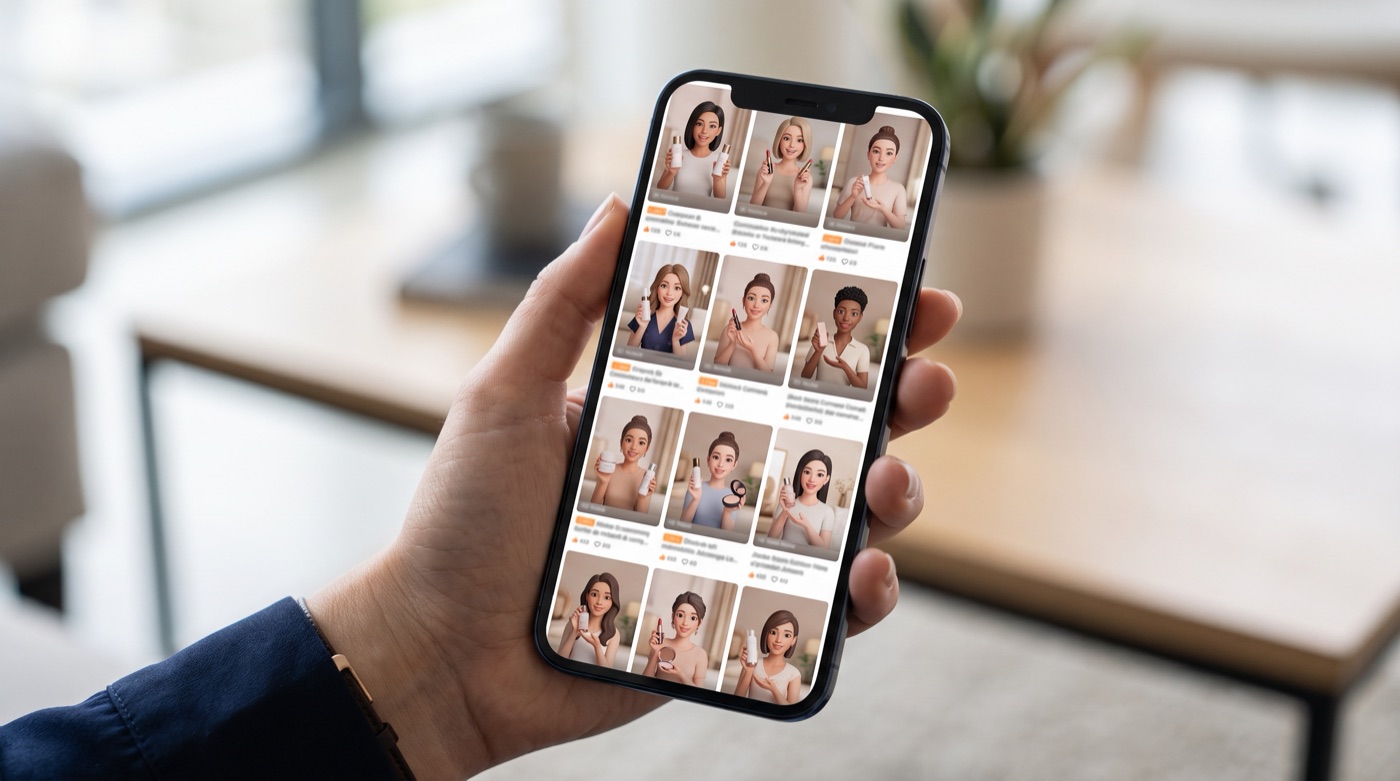
Based on the Journal's reporting and follow-up coverage, here is the picture:
- TikTok's AI Video Maker lets sellers pick a product, upload images or clips, and automatically generate a shoppable video.
- A growing number of affiliate creators use AI avatars, or digital duplicates of themselves, to mass-produce videos and boost commissions.
- TikTok's policy allows fully AI-generated content as long as creators add an on-screen disclosure and avoid false claims.
- Creators who demo real products say these AI clips are taking away their ad spend and sales.
The backdrop is TikTok Shop's rapid growth. eMarketer projects US TikTok Shop sales will rise 48% in 2026 to about $23.4 billion, and Go Fish Digital notes that affiliate creators grew from 2.3 million in 2024 to roughly 11.3 million. At that volume, AI naturally becomes a tool for scaling output.
Made a lot, watched a little: viewers still choose real people
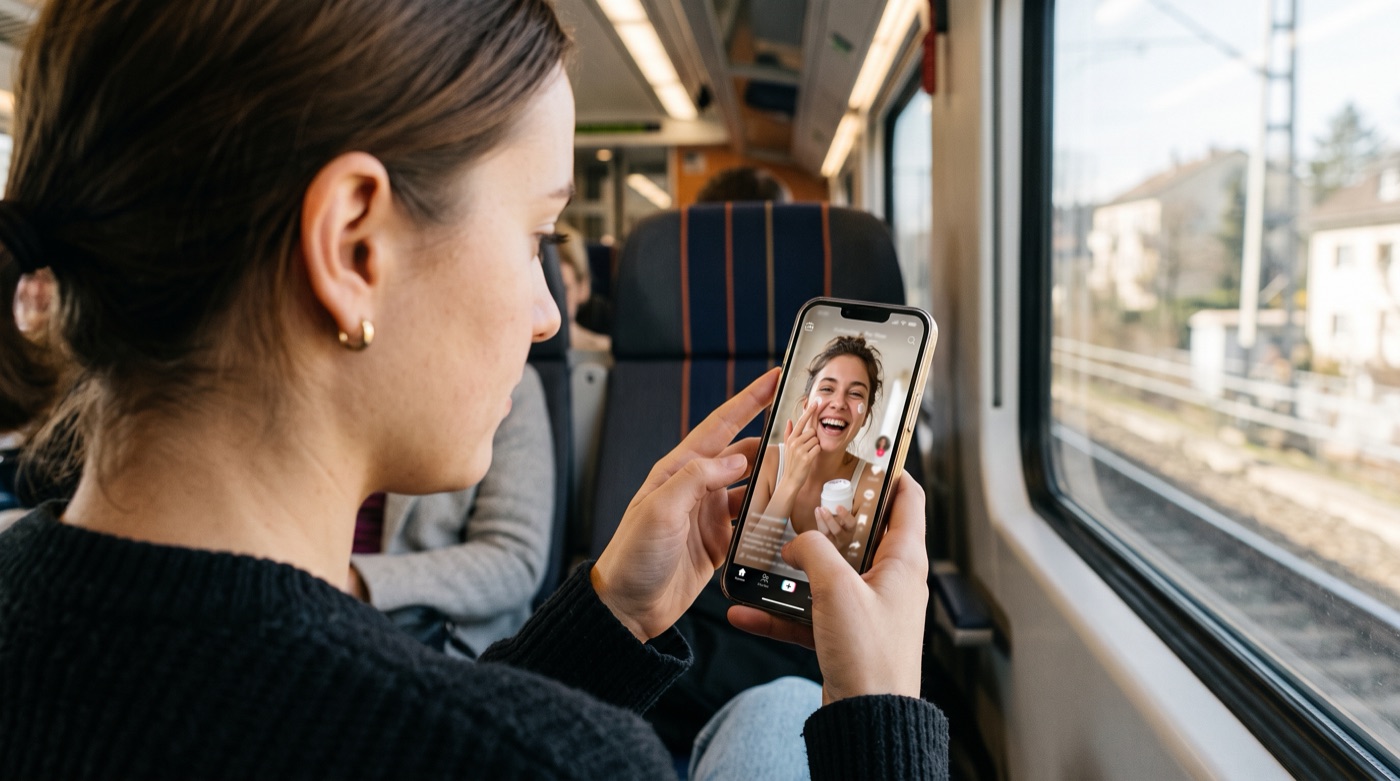
Interestingly, the platform's own leadership tells a different story from the hype. Speaking at a forum in Singapore on October 12, 2026, TikTok CEO Shou Chew said AI videos account for only a "low single-digit percentage" of views on TikTok. He described it as an imbalance: many videos are made with AI, but few are actually watched. In his view, users still value authenticity strongly, and some reject content that is clearly AI-made.
That is an important signal for brands. The heart of a product video is "I actually used this, so I'm recommending it to you." When the hands, the face and the reaction on screen are all generated, that recommendation loses its power. In the worst case, consumers pin their distrust on the brand itself.
The brand's dilemma: reach or control

Appliance maker SharkNinja took the most direct route: it bans AI content from affiliates, and those who use it lose their commissions. Not every brand can do that.
In the Journal's reporting, Lauren Lyster of Go Fish Digital laid out the trade-off. TikTok's open affiliate plan lets any creator promote your product without brand sign-off, which buys speed and reach. A vetted, targeted creator list gives more control but less scale. She also cautioned that brands cannot fully stop AI content about their products from appearing, but they can switch off features that automatically turn top-performing posts into paid ads, so unvetted AI videos aren't amplified with the brand's own money.
In other words, the question isn't whether to use AI. It is who may use it, where, and who is accountable when something goes wrong.
Four rules for AI product videos: write them down before you open the doors

Whether you sell on TikTok Shop, marketplaces, group-buying platforms or through Instagram partnerships, put these four rules into your partnership terms first:
1. "My experience" must come from a real person who used it
Product demonstrations can be AI-assisted, but anything framed as "here's how it felt after I used it" must come from a real person with real use. That is the trust floor of product videos, and it is also what consumers spot most easily.
2. If AI was used, label it
Require partners to follow each platform's AI disclosure rules, and state in your terms that unlabeled AI videos earn no commission. We covered disclosure for synthetic performers in The Person in the Ad Isn't Real; the same principle applies here.
3. Human review before any paid amplification
Turn off settings that automatically convert popular posts into ads. Instead, have the brand select and manually approve content before putting money behind it. Whatever the brand pays to amplify effectively becomes the brand's own voice.
4. When the brand uses AI itself, start where it can't mislead
AI is great for product angle shots, spec explainers, multilingual versions and quickly testing different hooks. But don't use AI to fabricate "before and after" customer results or to pose as an ordinary user. If that kind of content is exposed, the damage lands on the whole brand.
Conclusion: AI handles volume, people handle persuasion
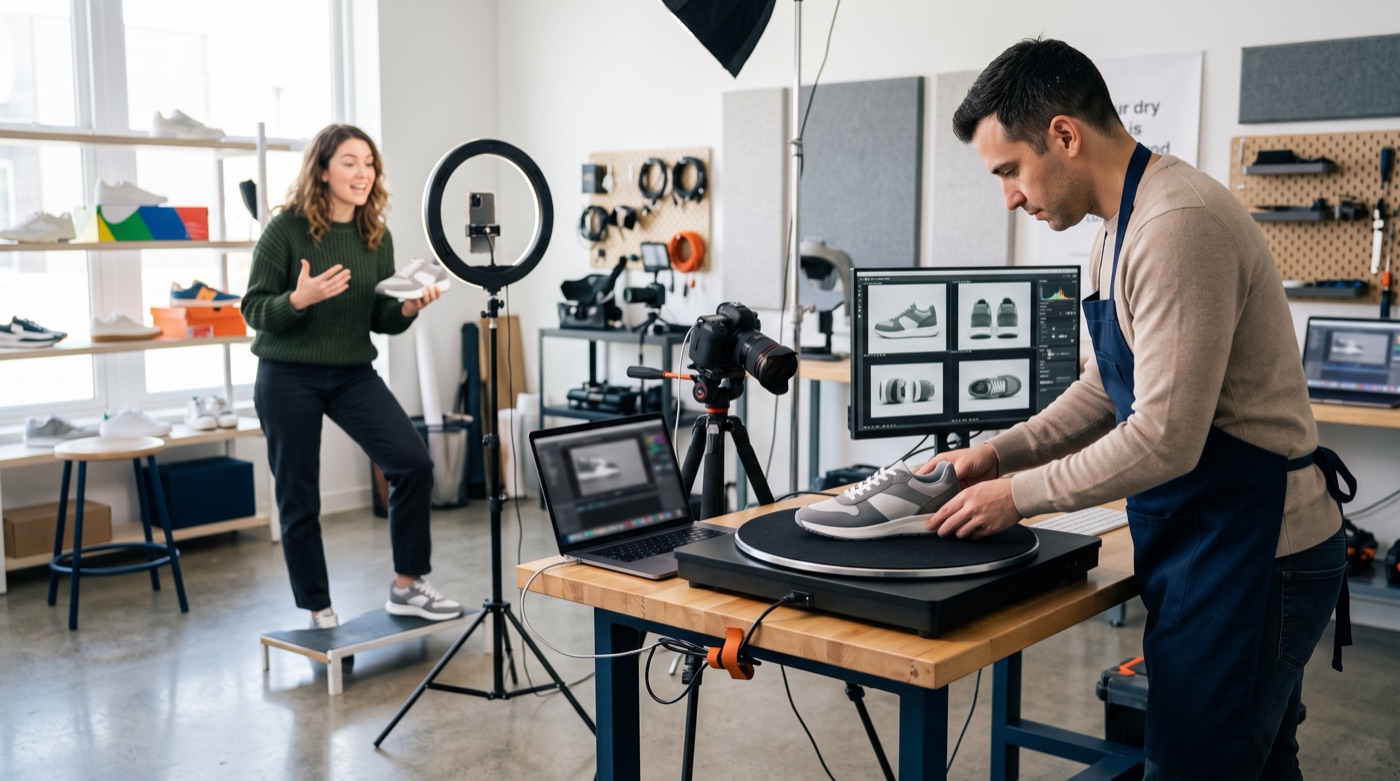
AI product videos will keep multiplying and getting more realistic. Brands can't hold back the tide, but they can decide where they stand. Write the rules down, save real human experience for the moments that most need trust, and AI becomes a production tool rather than a crack in your credibility. TitApeX helps brands design AI video workflows, creator partnership guidelines and brand visuals. If you are getting ready to scale your e-commerce video output, let's talk.
References
- Shopifreaks: TikTok Shop is filling with AI-generated product videos and avatars, sparking brand bans and creator backlash over lost sales (July 16, 2026, citing The Wall Street Journal)
- Go Fish Digital: WSJ Consults Go Fish Digital on TikTok Shop's AI Dilemma
- Katadata: Video AI Makin Realistis, CEO TikTok Sebut Penonton Pilih Konten Buatan Manusia (October 12, 2026)
Comments