Your Brand Could Star in a Fake AI Video: Deepfake Brand Protection and Self-Discipline
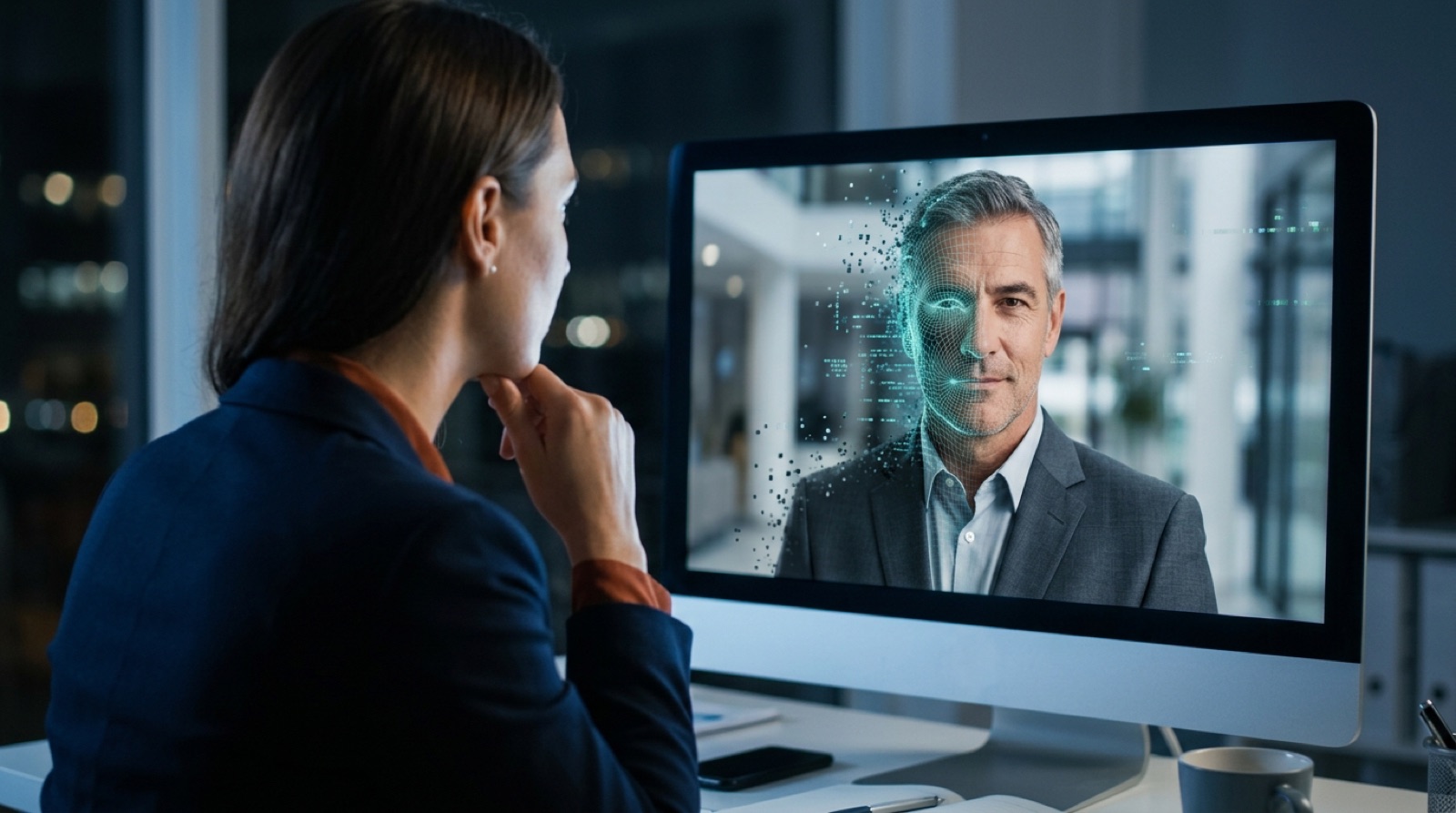
AI video tools have made brand video faster and cheaper than ever, but the same technology lets scammers produce a fake clip of "your spokesperson personally recommending this" in minutes. In October 2026, Milan-based start-up identifAI estimated that deepfake-enabled scams cause about $40 billion in fraud a year, with video synthesis involved in 42.7% of cases. The same month, Paris's public hospital group took legal action after AI was used to impersonate one of its doctors endorsing a fake remedy on Facebook. Deepfake brand protection is no longer a distant tech story; it is a risk every brand with recognition, a spokesperson or customer trust has to manage. Here are the latest cases, and what brands should do to defend themselves and hold themselves to account.
Deepfake Videos Are Now a Working Tool for Scammers

According to CFOTech's coverage of identifAI's report, among incidents tracked through August 2026, video synthesis accounted for 42.7% and voice cloning for 21.9%, together more than 60%; the United States had the largest share of cases (34.1%). The report also recalls that engineering firm Arup transferred about $25.6 million after a video call in which the participants were allegedly deepfakes.
The Manila Times, on October 18, documented another pattern: a dentist in the Philippines handed over about 93 million pesos after watching a fake video of the president appearing to endorse an investment. The country's cybercrime investigation center put it bluntly: a video call no longer proves someone is real.
What these cases share is that scammers aren't borrowing technology so much as trust: trust in famous people, in institutions, in familiar faces. And trust is a brand's most important asset.
Not Just Celebrities: Institutions and Brand Spokespeople Are Targets Too
Resemble AI's weekly deepfake watchlist for early October included several cases brands should note:
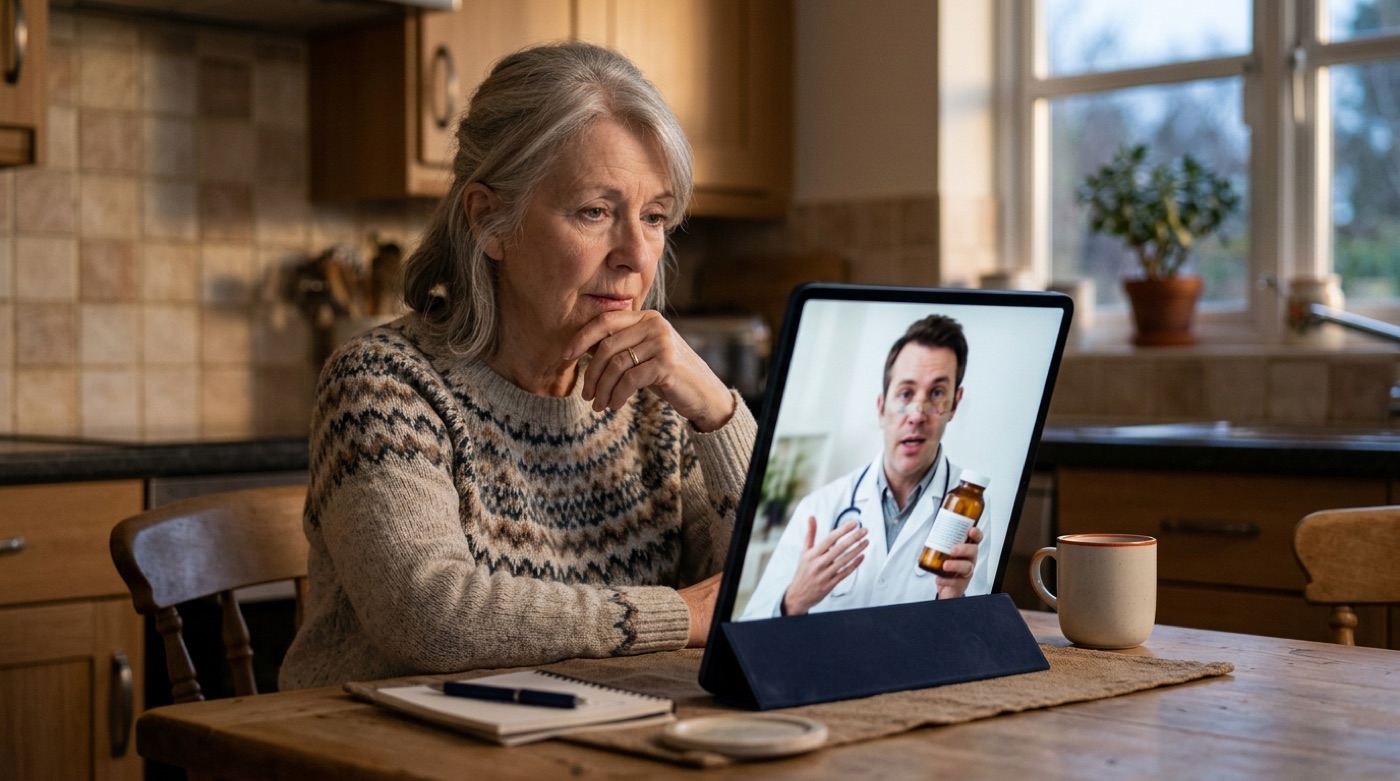
- Institutions impersonated: Paris's public hospital group (AP-HP) and Sorbonne University filed a criminal complaint over Facebook videos that used AI to clone a doctor's voice and a TV anchor's image to promote a "miracle remedy." Meta removed some copies, but new ones kept appearing.
- Artists impersonated at scale: by the end of September, Sony Music had issued more than 260,000 takedown requests for AI tracks impersonating its artists, nearly double the count at the end of March.
For brands, the risks include a fake founder video announcing a "limited-time offer," a fake spokesperson pushing counterfeit products, or a fake customer-service video steering customers to transfer money. Even when the brand loses nothing directly, customers who get scammed often lose trust in the brand first.
Deepfake Brand Protection in Four Steps: Prepare, Then Respond

1. Set up official verification channels
State clearly on your website and social profiles which accounts and domains you use for offers and partnerships, and that you will never ask for payment via video or private message. When a fake appears, customers have somewhere to check.
2. Monitor your brand and spokespeople
Regularly search your brand name and the names of founders and spokespeople, and watch ad libraries and short-video platforms for suspicious content. In May 2026, YouTube opened its likeness detection tool to creators aged 18 and over; creators and spokespeople who work with your brand can enroll themselves and get notified when newly uploaded videos appear to use their face, so they can request removal. It currently matches faces only, not voices, and isn't available in every country, so treat it as an early warning rather than your only line of defense.
3. Write a response playbook
Decide in advance who verifies authenticity, which platforms to report to, how fast to publish an official statement, and when to bring in legal help. Fakes spread fast; response time is measured in hours.
4. Don't approve anything just because you "saw their face"
High-risk actions like payments, bank account changes or sharing customer data need a second check beyond video or phone, such as calling back a registered company number or sign-off in an internal system.
Don't Become the Offender: Consent Rules for Your Own AI Videos
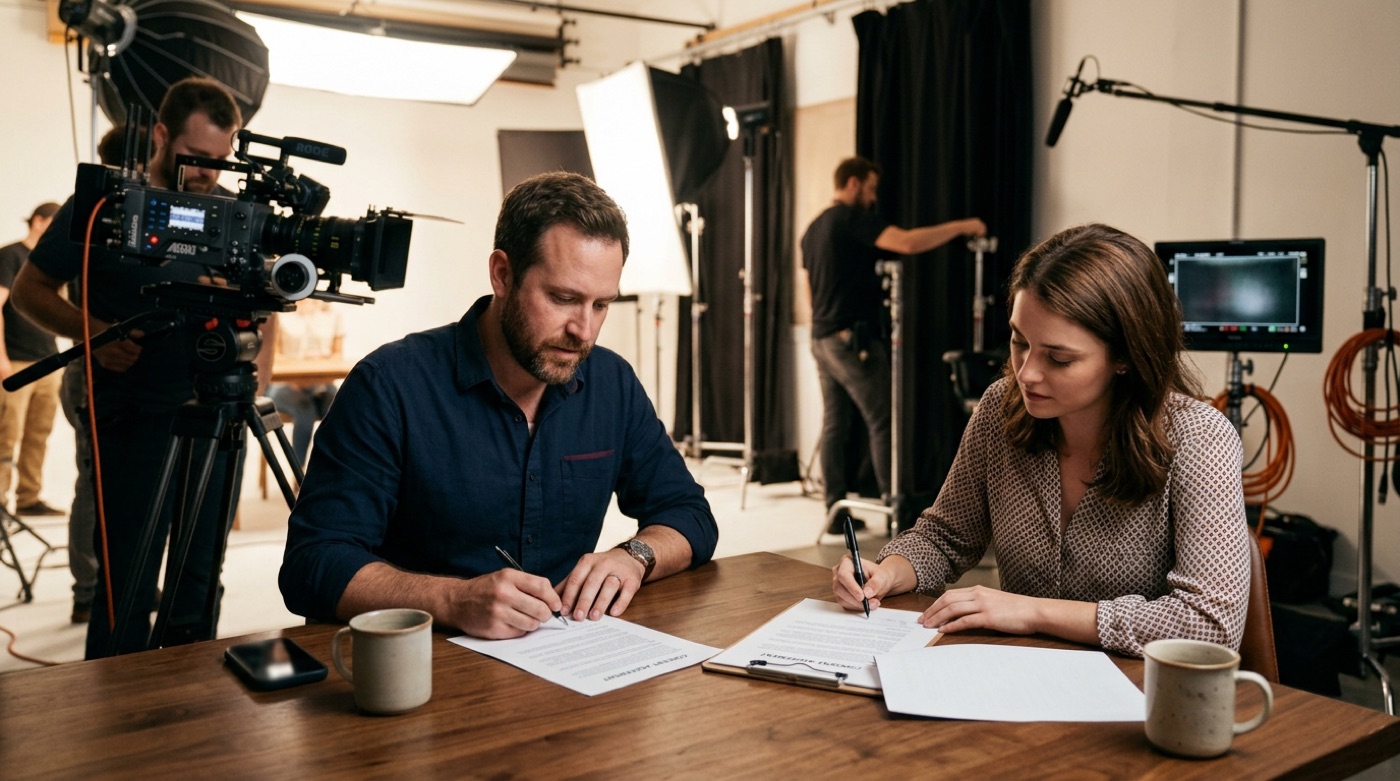
Defense is one side; self-discipline is the other. In early October, American TV personality Ariana Madix publicly criticized ITV Studios Australia for using an unauthorized AI deepfake of her in a Love Island Australia promo, and her team sent a cease-and-desist. It's a reminder for every brand using AI video:
- No written consent, no real person's face or voice, even if it's only a lookalike.
- Spell out the scope in contracts: which videos, for how long, and whether AI may alter the likeness.
- Be honest with viewers: label which footage is AI-generated.
We've covered related practices in synthetic performers in AI video ads and the EU AI Act's video labeling rules.
Conclusion: The Easier It Is to Fake, the More Authenticity Is Worth

AI video has made creation easier than ever, and it has made authenticity a brand's scarcest asset. Brands that publish verification channels, respect likeness consent and label AI content honestly will earn more trust in an era of fakes. That is what TitApeX means by "AI delivers perfection, people deliver emotion": technology can help a brand make better videos, but trust is only built by people, step by step. If you want to plan AI video production and usage guidelines for your brand, explore our services or get in touch.
Comments