From 30 Seconds to Two Minutes: How Brands Should Approach Long-Form AI Video
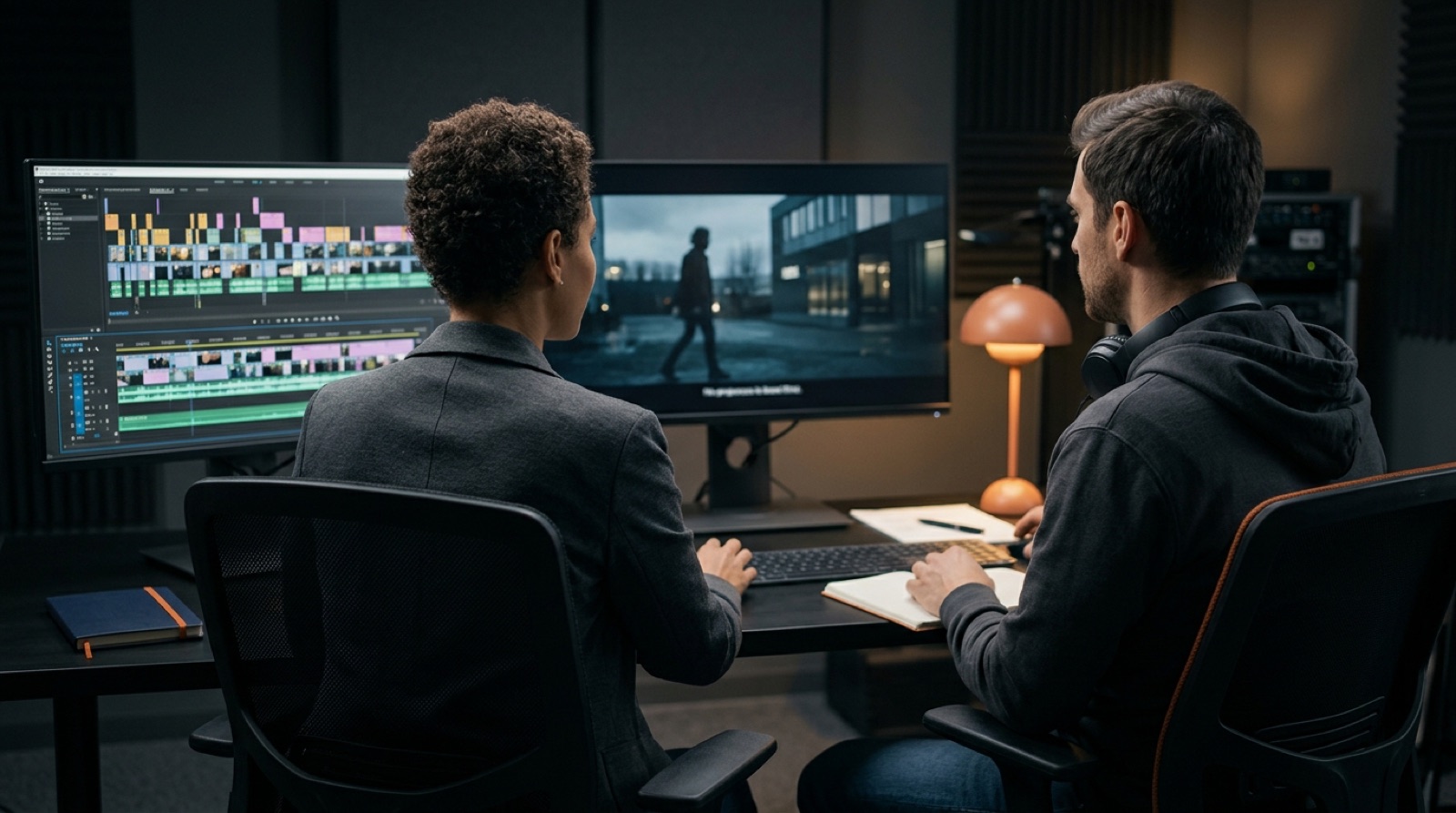
A year ago, most AI video tools produced clips a few seconds long. Now 30 seconds in a single generation is standard for new models, and extension to two minutes is on the roadmap. At the same time, advertising is rediscovering long stories: UK department store Debenhams' Christmas ad this year is a four-minute film. As long-form AI video becomes possible, the real question for brands is not whether they can make one, but how to tell a longer story that people actually watch to the end.
From 30 seconds to two minutes: what long-form AI video can do now
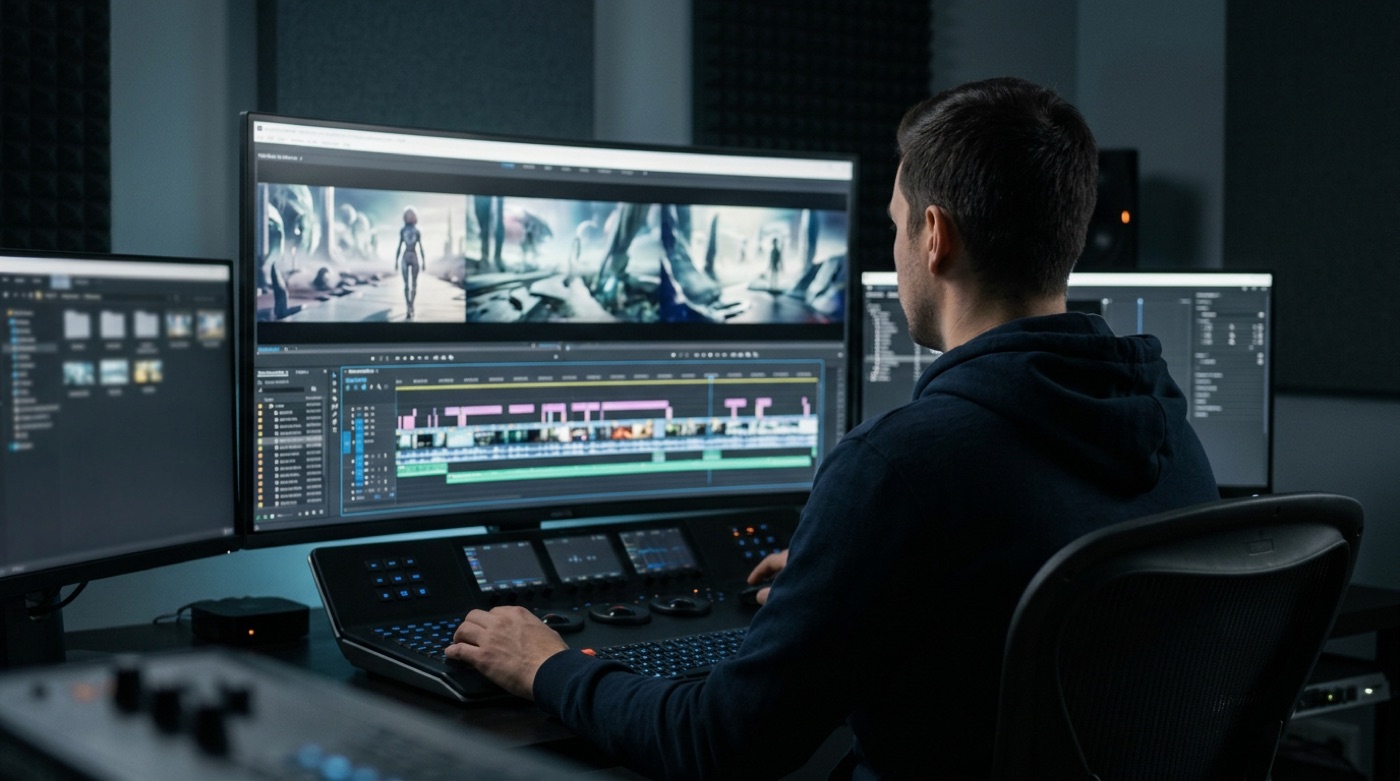
Kuaishou's Kling announced Kling 4.0 on October 19. According to tech coverage, the new version generates 30-second clips in one pass, with two-channel stereo audio produced at the same time and lip sync in more than ten languages. Extending videos to up to two minutes is listed as coming soon.
What matters more for brands is control. At Advertising Week New York, Kling said 4.0 accepts up to 10 keyframes and up to 15 image, video and subject references, aimed at keeping characters, products and brand worlds consistent across a whole campaign. Adobe said it plans to bring Kling 4.0 into Firefly.
In other words, AI video is moving from "make one beautiful shot" to "make a complete story." It builds on the groundwork we covered in AI Video Enters the 30-Second Era, only at a bigger scale.
Long brand films are back: why longer stories are worth telling
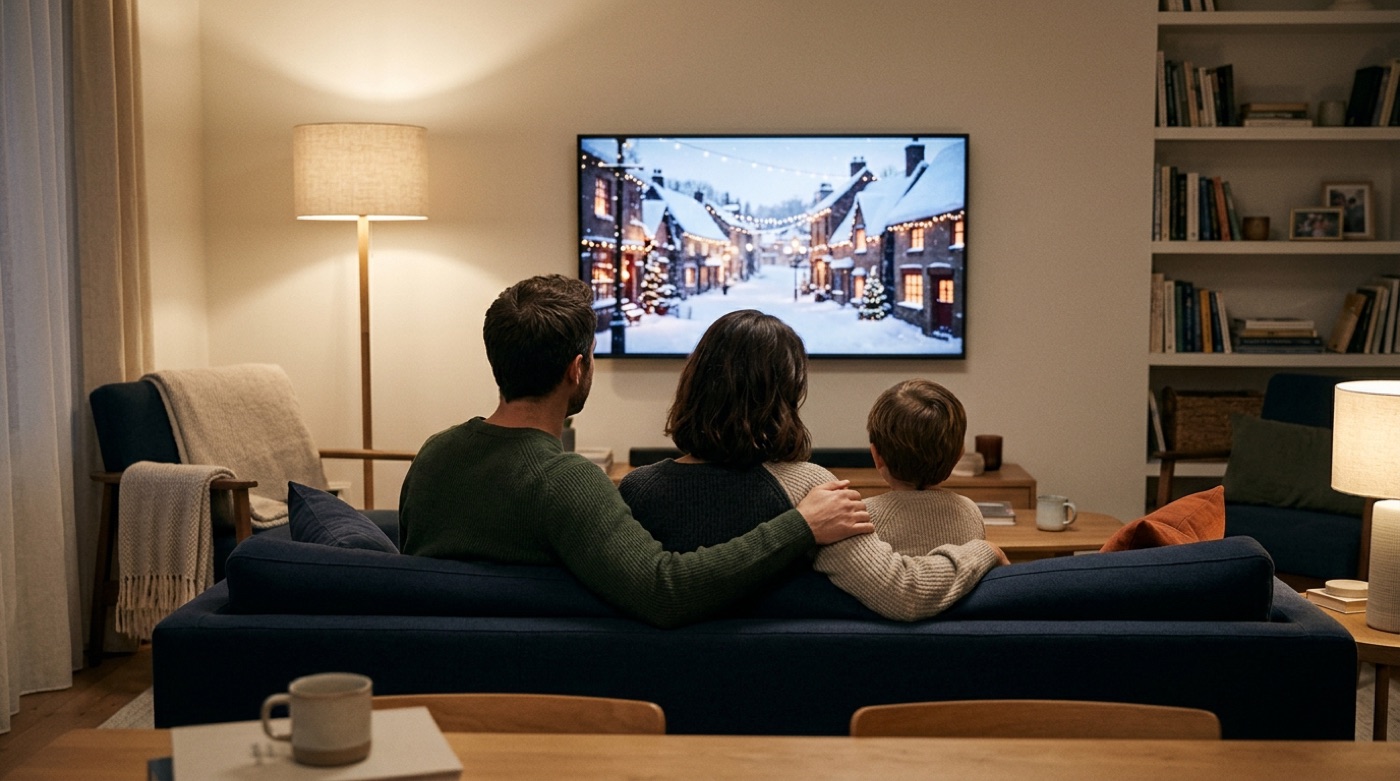
It is not only tools that are getting longer. Debenhams' Christmas ad, "Christmas. For Everyone," is a four-minute narrative film about a reunion at a village party, complete with a snowstorm, an impromptu performance and a power cut, while naturally featuring the retailer's fashion, beauty and homeware brands. It runs across online, social and out-of-home.
That film is live action, not AI-generated, but it makes a point: even in an age of fractured attention, brands still invest in long stories to build emotional connection. Short ads get you seen; long stories get you remembered. As AI lowers the cost of making longer films, more small and mid-sized brands can tell a complete brand story rather than just a product showcase.
Longer films, harder control

On the same Advertising Week panel, WPP's director of AI strategy said, "Control is the holy grail that everyone is after." The longer the film, the more places it can slip:
- Characters and products drift: a character's hair changes by scene three, or a product's color shifts.
- Pacing sags: 30 seconds can ride on one great image; two minutes needs a real arc, or viewers leave.
- Sound loses continuity: generating picture and sound together is convenient, but someone has to check that dialogue, music and ambience stay consistent.
That is why long-form puts more weight on pre-production. Tools can make every frame polished, but they will not decide where your story turns.
Four things to prepare before a long-form AI video
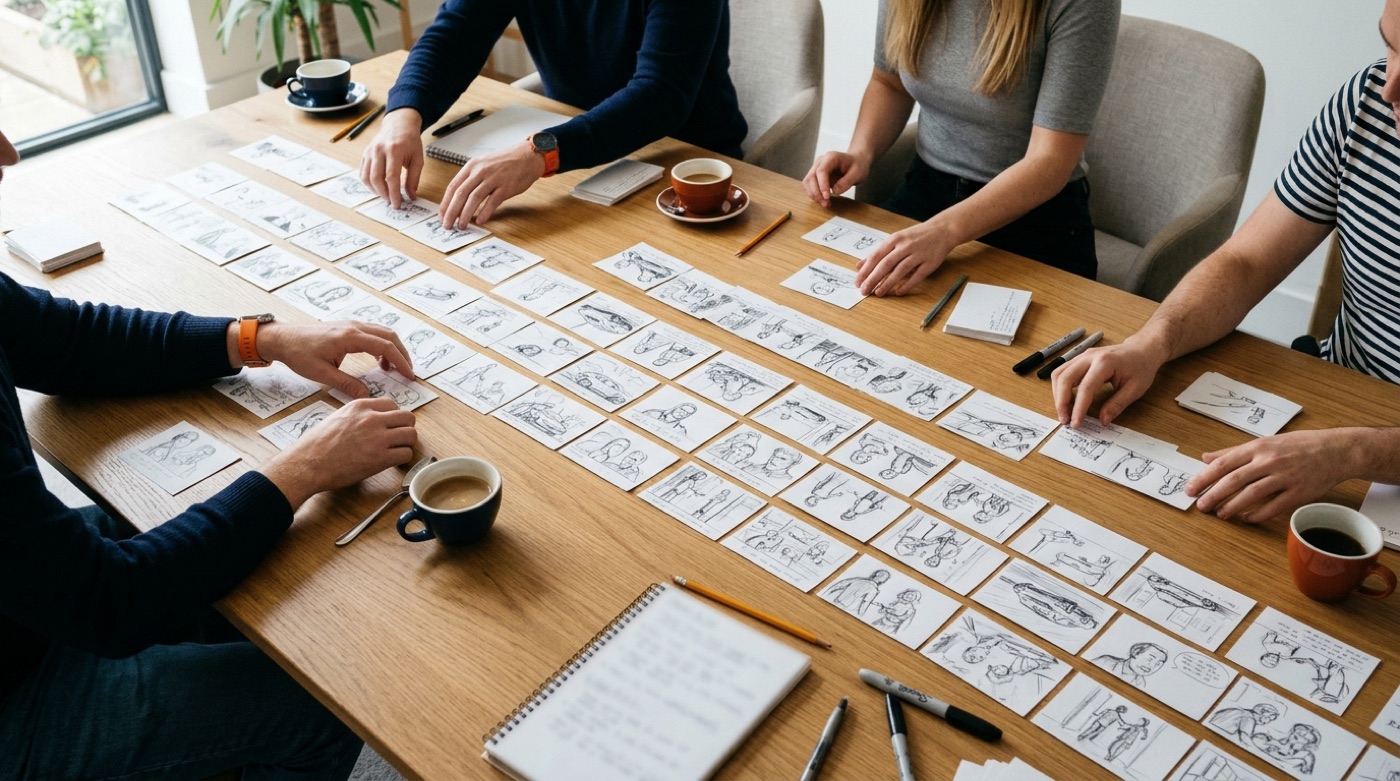
1. Write the story before the shots
Summarize it in one paragraph: who the protagonist is, what they want, what stands in the way and how they change. If that paragraph is unclear, no amount of generated footage will hold together.
2. Break the film into scenes and keyframes
A two-minute film might be five to eight scenes, each with its key frames defined up front. The more complete your keyframes and references, the more stable each scene will be.
3. Design sound as its own layer
Decide your brand's sonic tone: voiceover or dialogue, the mood of the music, where silence belongs. AI can generate sound, but knowing where to leave space is a creative judgment.
4. Leave time for human review and disclosure
In longer films, flaws hide in the details. Assign someone to check characters, products, subtitles and licensed assets scene by scene, and label AI-generated content according to each platform's rules.
Tools will keep getting longer; taste will not appear on its own
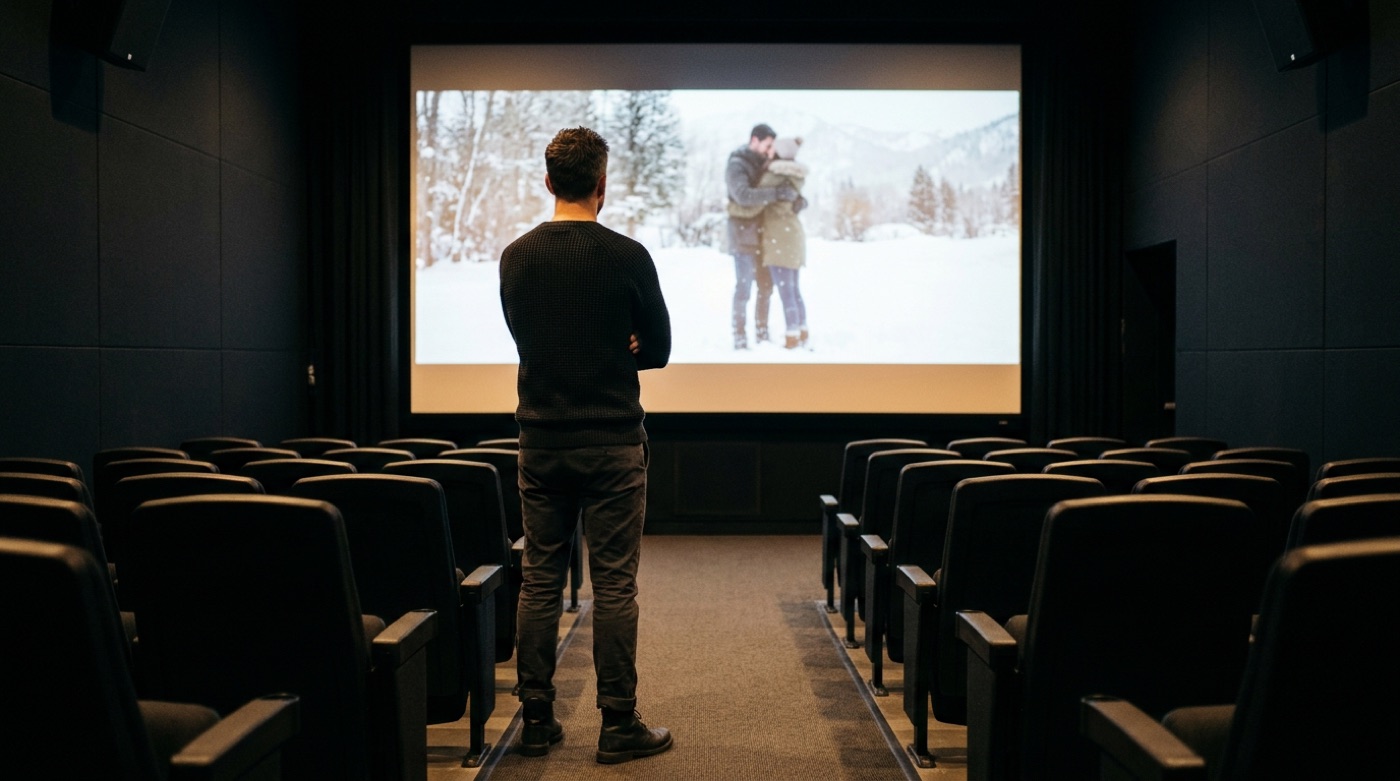
Cannes Lions added an AI Craft category this year, and award-winning work shows AI video can reach a genuine craft standard. But as Kling itself said on stage, even with the best tools you still need taste and craft. AI makes every frame flawless; people make the whole story moving. Further reading: Undetectable as AI, Yet Less Effective.
TitApeX helps brands go from story and storyboard to AI video production and review, making long-form films that are both polished and warm. Take a look at our services or get in touch.
Comments