
Do Customers Want AI Personalization? 4 Gaps Between Brands and Shoppers in a 2026 Survey

"One-to-one personalization powered by AI" is a keyword in almost every marketing plan. But are customers actually waiting for it? "The Customer Marketing Gap," a survey released by Wunderkind and Cordial on October 13, offers a sober answer: 59% of marketers expect AI personalization to have the biggest impact on customer marketing over the next three years, yet only 16% of consumers say AI currently improves their shopping experience, and 27% don't trust AI to personalize experiences for them. There is a real distance between where brands are betting and what customers care about.
AI Personalization: Brands and Shoppers See Different Things
The survey covered 1,000 US consumers and 150 senior US marketing professionals. Marketers' AI plans are ambitious: 54% use or plan to use AI for customer service and chatbots, 49% for predictive analytics and 43% for product recommendations.
The problem isn't AI itself; it's the starting point. Cordial's chief strategy officer Rob Garf said AI and personalization have significant potential, but only when they are built around a clear understanding of the customer. Wunderkind's VP of Marketing Amandine Servain added that having more data and more technology is not enough. Here are the four gaps in the survey that brands should pay the most attention to.
Gap 1: Customers Care About Price, and Marketers Underestimate It

56% of consumers say the lowest price is a leading factor in deciding where to buy online, but only about a quarter of marketers think so. Discounts show the same pattern: 50% of consumers say discounts are among the strongest factors in whether they pay attention to a brand message, while just 26% of marketers agree.
This doesn't mean brands must compete on price alone. It means personalized content first has to answer the question customers care about most: "Is this a good deal for me?" Rather than sending a beautifully crafted message that never mentions an offer, spell out price, discounts and value. We made the same case in ""Will It Still Be Worth It?" Value Messaging When Consumer Confidence Falls."
Gap 2: Recommendations Matter, but Convenience Matters More
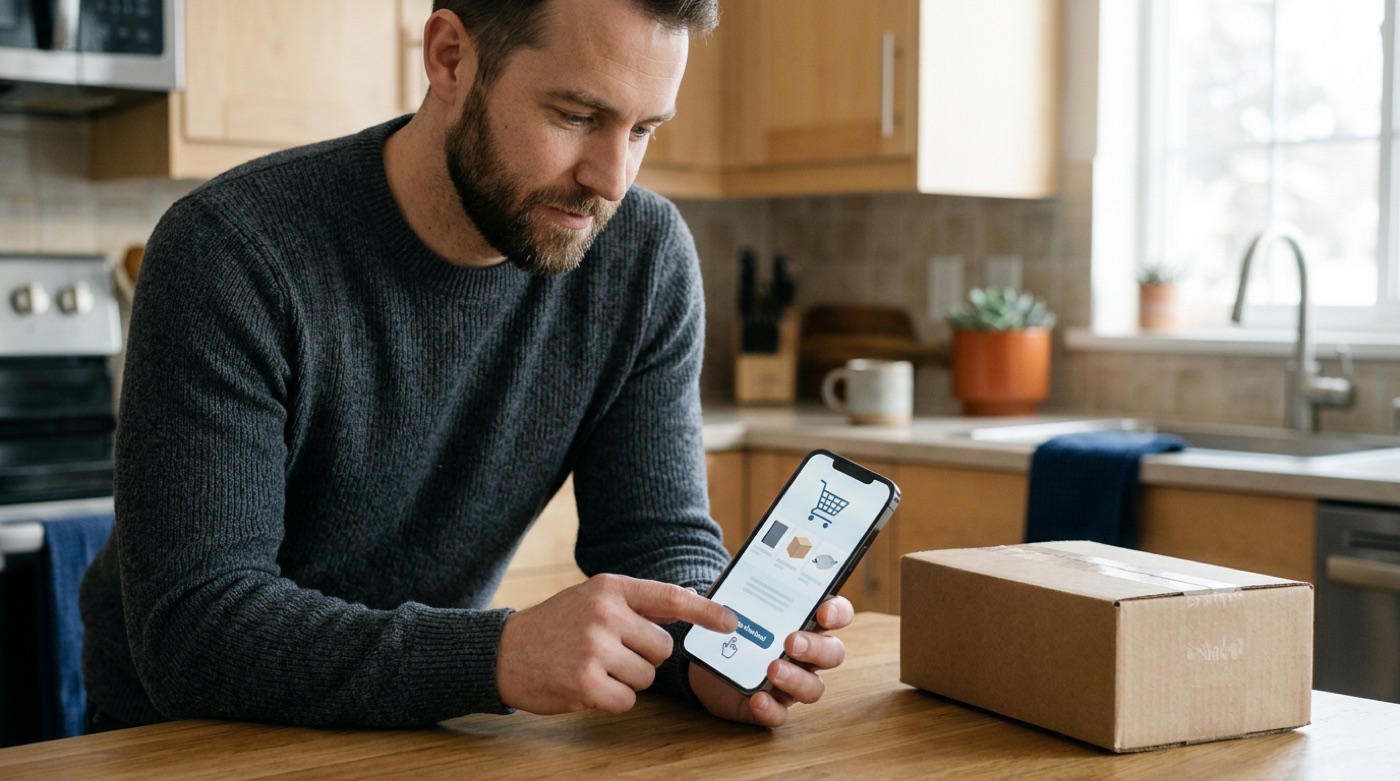
61% of marketers say relevant product recommendations have a major impact on conversion, but only 32% of consumers say recommendations make shopping easier. Customers place more value on features that remove friction: 48% value saved carts and 48% value faster checkout.
In other words, the most noticeable personalization is often not "you might also like" but "we remember you":
- Remember what a customer left in their cart, so it's still there next time.
- Remember their usual address and payment method, so checkout takes one step less.
- Remember sizes and preferences, so they don't have to filter from scratch every time.
These features don't necessarily need the latest AI model, but they do need well-integrated customer data and a smooth website experience.
Gap 3: Customers Prefer Email and SMS, but Brands Bet on Social

Consumers' favorite channels for brand messages are email (82%) and SMS (64%). Marketers, however, put more emphasis on social media: 74% of marketers prioritize social, compared with only 39% of consumers who prefer it.
Social is still an important way to be discovered, but if you want personalization to land where customers actually look, owned channels are often more effective. How brand emails are written is changing too; see "Read Before It Is Opened: How to Write Brand Emails for the AI Inbox."
Gap 4: The Data Isn't Accurate Enough, and Trust Isn't There Yet

What marketers want most is more accurate customer data: 42% say it would have the greatest impact on marketing performance, ahead of improved personalization (37%). The leading barriers to personalization are limited customer data and fragmented systems, at 19% each.
On the customer side, the answer is clear: 46% say clear explanations of how their data is used would increase their trust in personalization; 41% value control over their preferences; and 41% want brands to use only information they have shared directly. The top incentive for sharing an email address or phone number is exclusive discounts, cited by 32% of consumers and 32% of marketers alike.
That points to a practical approach:
- Collect data in a way you can explain: At sign-up or subscription, say in one sentence what the data will be used for.
- Give customers a preference center: Let them choose what content they receive and how often.
- Prioritize data customers give you directly: Surveys, preference settings and purchase history are more reliable than inference, and far less unsettling.
Conclusion: Understand Customers First, Then Let AI Amplify

AI personalization isn't the wrong direction, but the order matters. Make price and value clear, simplify the shopping journey, deliver messages where customers actually look and be upfront about data use; then AI can amplify those foundations instead of amplifying the chaos. AI handles flawless execution; people understand what truly moves customers. If you want to revisit your customer data, website experience and marketing workflows, explore TitApeX's services or get in touch.
References
- PR Newswire: Wunderkind and Cordial Research Finds Consumers Want Value, Convenience While Marketers Invest in Personalization, AI
- WWD Sourcing Journal: New Study Reveals Major Disconnect Between Retail Marketers and Consumer Priorities
- The Wise Marketer: Wunderkind and Cordial Research Finds Consumers Want Value, Convenience
Comments