Coca-Cola Missed Twice, McDonald's Pulled Its Ad: Four Calls to Make Before Using AI in Your Holiday Video
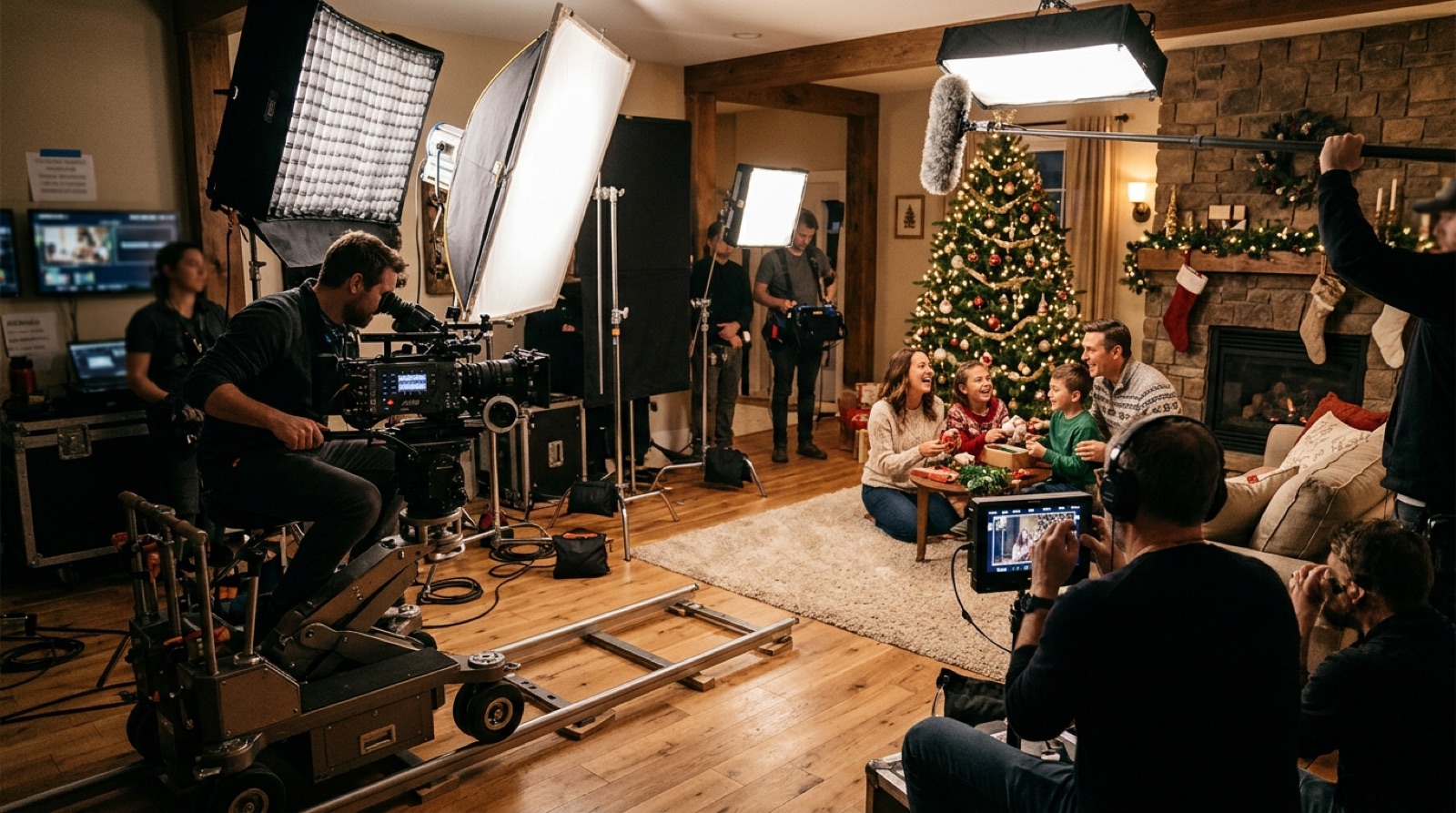
By late October, most brands' year-end holiday videos are already in production. Over the past two years, "making the holiday ad with AI" has become an annual talking point: Coca-Cola released AI-generated Christmas ads two years running and drew heavy criticism both times, and McDonald's Netherlands pulled its AI Christmas ad within days. These cases do not mean AI video is off-limits. They show that the holiday ad is the one video a brand can least afford to get wrong. This article gathers the lessons from the last two seasons of AI holiday ads and four judgment calls to make before you hit generate this year.
Why AI Holiday Ads Keep Backfiring

In 2024, Coca-Cola used AI to remake its classic "Holidays Are Coming" Christmas truck ad, and distorted human figures made it a widespread target of mockery. In 2025, Coca-Cola worked with AI studios again, this time swapping people for anthropomorphic animals to avoid human faces. Viewers still were not convinced. YouTube comments criticized the lack of warmth, and some pointed out obvious flaws such as trucks with the wrong number of wheels.
That December, McDonald's Netherlands released a 45-second, fully AI-generated Christmas ad about holiday mishaps. Critics said it was stressful to watch and "just a bad idea" whether or not AI was involved, and the brand quickly took it down. The production company stressed that the spot involved "thousands of takes" edited like any high-craft production: "AI didn't make this film. We did."
Both cases share one thing. The backlash was not only about the technology. It was about the warmth people expect from a holiday ad.
Audiences Care About More Than Getting Caught

An August 2026 roundup of AI ad backlash cites a 2026 DoubleVerify study: 43% of North American consumers said low-quality or uncanny AI ads would hurt their opinion of a brand. A Pew Research survey from March found that 50% of Americans are more concerned than excited about the growing use of AI in daily life.
There is another side brands should notice. In October 2025, the apparel brand Aerie pledged on Instagram to use "no AI-generated bodies or people," and the post was reportedly its most-liked of the year. In other words, "made by people" is becoming a value audiences can feel. In its analysis of AI holiday ads, the Nielsen Norman Group also argues that the problem is usually not the tool itself but that it weakened the emotional connection viewers expect.
Four Judgment Calls for AI Holiday Ads
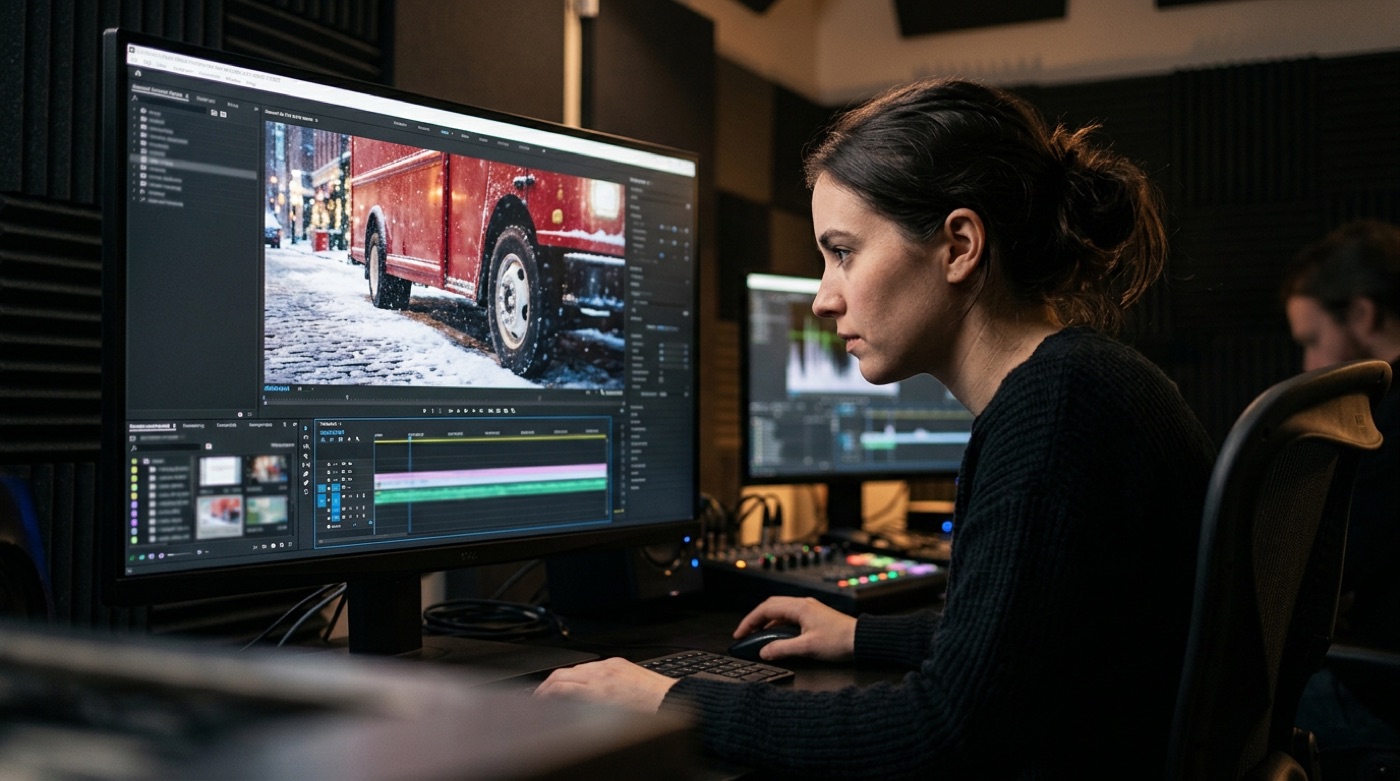
1. Does the emotional core need real people?
Holiday ads usually center on family, reunions, anticipation and surprise, emotions viewers measure against their own lives. If the story depends on a look or a hug, that moment is best performed by real actors. AI is better suited to settings, transitions and effects than to the moment that brings a lump to the throat.
2. Do not hand your brand assets to AI to reinterpret freely
Coca-Cola's red trucks, a brand's signature characters or music are distinctive assets built over years. When AI reinterprets them, any small distortion, an extra wheel or the wrong expression, gets scrutinized. Write down which elements cannot change and which AI may extend before you start generating.
3. Check for flaws frame by frame
Holiday ads are watched repeatedly, screenshotted and discussed. Before delivery, assign someone to check hands, text, object counts and physical motion frame by frame. A single flaw can become a social media punchline.
4. Prepare your explanation in advance
If you use AI, decide before launch whether and how to disclose it and who responds when asked. The McDonald's Netherlands case shows that explaining afterward that "many people were involved" rarely changes a first impression.
Where AI Fits in Holiday Video

None of this means holiday videos must avoid AI entirely. A safer approach is to keep AI behind the scenes:
- AI handles: storyboards and animatics so the team sees the pacing before the shoot; extending one hero film into many sizes and lengths; multilingual subtitles and localized versions; and enhancing backgrounds, weather and lighting.
- People handle: the story and its characters, the actors' performances, guarding brand assets, the final review, and responding on social media after launch.
For a fuller look at AI video production, see "From Experiment to Everyday: Three Checkpoints Before Your AI Video Goes Into Production."
Conclusion: In Holiday Ads, Let People Move Hearts

A holiday ad does not sell a product. It sells the feeling that a brand understands you. AI can make production faster, multiply versions and stretch budgets, but the moment people remember still has to be designed and performed by people. That is what TitApeX means by "AI handles perfection, people create emotion."
If you are planning year-end videos and want to know which parts suit AI and which should stay human, take a look at our services or get in touch.
References
- TODAY: McDonald's Halts AI-Generated Christmas Ad Following Social Media Backlash
- Yorkshire Evening Post: Coca-Cola slammed for AI Christmas advert
- Moneywise / Yahoo Finance: Valentino and Coca-Cola faced fierce backlash over AI-generated ads (August 2026)
- Nielsen Norman Group: Why AI-Generated Holiday Ads Fail
Comments