From Experiment to Everyday: Three Checkpoints Before Your AI Video Goes Into Production

For the past two years, most brands have treated AI video as an experiment: a concept film here, a social post there. But at Advertising Week New York in October 2026, AI video model maker Kling shared the stage with WPP and Adobe, and the question was no longer whether AI video works. It was how to turn AI video production into an everyday content operation. As AI video moves from experiment to paid media, what brands need most is not a stronger model but a clear set of checkpoints before delivery.
The Signal: AI Video Production Is Becoming Routine
Several recent developments show AI video entering formal production workflows:
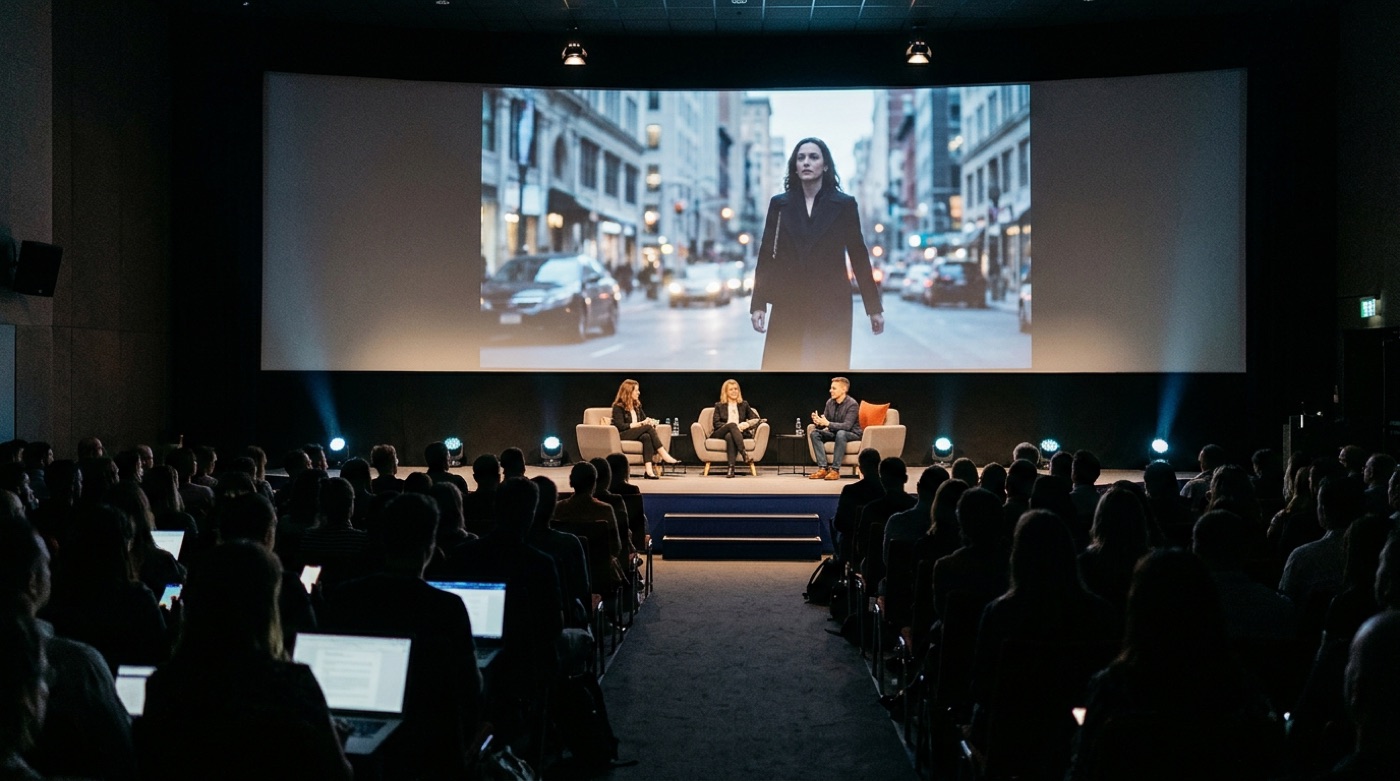
- Advertising Week shifted to scale: in an October 6 session, representatives from Kling, WPP and Adobe described AI video as moving from one-off creative tests to everyday content operations for brands and agencies. According to the follow-up press release, enterprise buyers keep asking three things: does the output meet commercial production standards, can characters, products and brand worlds stay consistent across a campaign, and can the final work be cleared, disclosed and deployed safely?
- Tools are connecting: Adobe Firefly now offers partner models including Kling 3.0 and Kling 3.0 Omni, so teams can generate and edit video in one place.
- The work is winning awards: Cannes Lions 2026 introduced an AI Craft category, and films made with Kling were recognized in the Film categories.
Taken together, the bar has moved. AI video is no longer judged on whether it can be made, but on whether it passes the same checks as any other commercial.
Checkpoint One: Commercial Quality Starts With a Spec Sheet

Model capabilities improve fast, but output specs vary by tool and plan. Adobe's help page, for example, lists Kling 3.0 in Firefly at 720p or 1080p with clips up to 15 seconds, while Kling says version 4.0 supports native 30-second generation, extension to two minutes and 10-bit HDR (currently in early access).
So write a delivery spec sheet before you generate, rather than figuring out where a clip can run afterward:
- Channels and formats: TV, YouTube, Reels, digital out-of-home; what ratio and length does each need?
- Resolution and quality: is the master 1080p, 4K or HDR? Where a tool falls short, plan for post-production upscaling.
- Sound: can generated audio be used as is, or will you need separate music and voiceover?
With specs set first, you know which tool fits and which shots suit AI versus a live shoot.
Checkpoint Two: Consistency Across Characters, Products and Brand World

One beautiful clip is easy. Ten or fifty that all feel like the same brand is hard. Newer models accept multiple keyframes and many reference inputs (Kling says 4.0 takes up to 15 in a single task), which makes consistency achievable, but only if the brand has its materials ready:
- Front, side and differently lit photos of recurring characters
- Multi-angle cut-outs and texture close-ups of products
- Reference frames for brand color, lighting mood and composition
We cover this in more depth in Same Face, Every Video: Building a Brand Character for AI Video. The point is simple: consistency is not a gift from the model; the brand has to prepare it.
Checkpoint Three: Cleared, Disclosed and Ready to Publish

Any video going into paid media must hold up to scrutiny. Before delivery, confirm at least:
- Tool licensing: does your plan allow commercial use? Enterprise and individual terms often differ.
- Source materials: do you have rights to reference images, likenesses and music? Did the model accidentally generate someone else's trademark or a recognizable person?
- Disclosure: do the regions and platforms you run on require AI-generated content labels? For the EU, see our piece on the EU AI Act and AI video labeling.
- Records: keep prompts, reference assets and version history so you can answer questions later.
These are not obstacles to creativity. They are what make AI video safe to put in front of customers.
Conclusion: Tools Change, Process and People Stay

At Advertising Week, WPP's representative described the ecosystem as a feedback loop rather than a straight line, and both Adobe and Kling stressed that creative direction, taste and brand understanding remain human responsibilities.
Models turn over every few months, and today's specs will soon be outdated. What lasts is your own delivery spec, asset library and review process. AI makes the frames flawless; people decide whether they move anyone and whether they should air. If your team wants to build an AI video production and review workflow, explore TitApeX's services or contact us.
Comments