Who Does AI Quote? Creator Reviews Are Becoming the Trust Signal in AI Recommendations
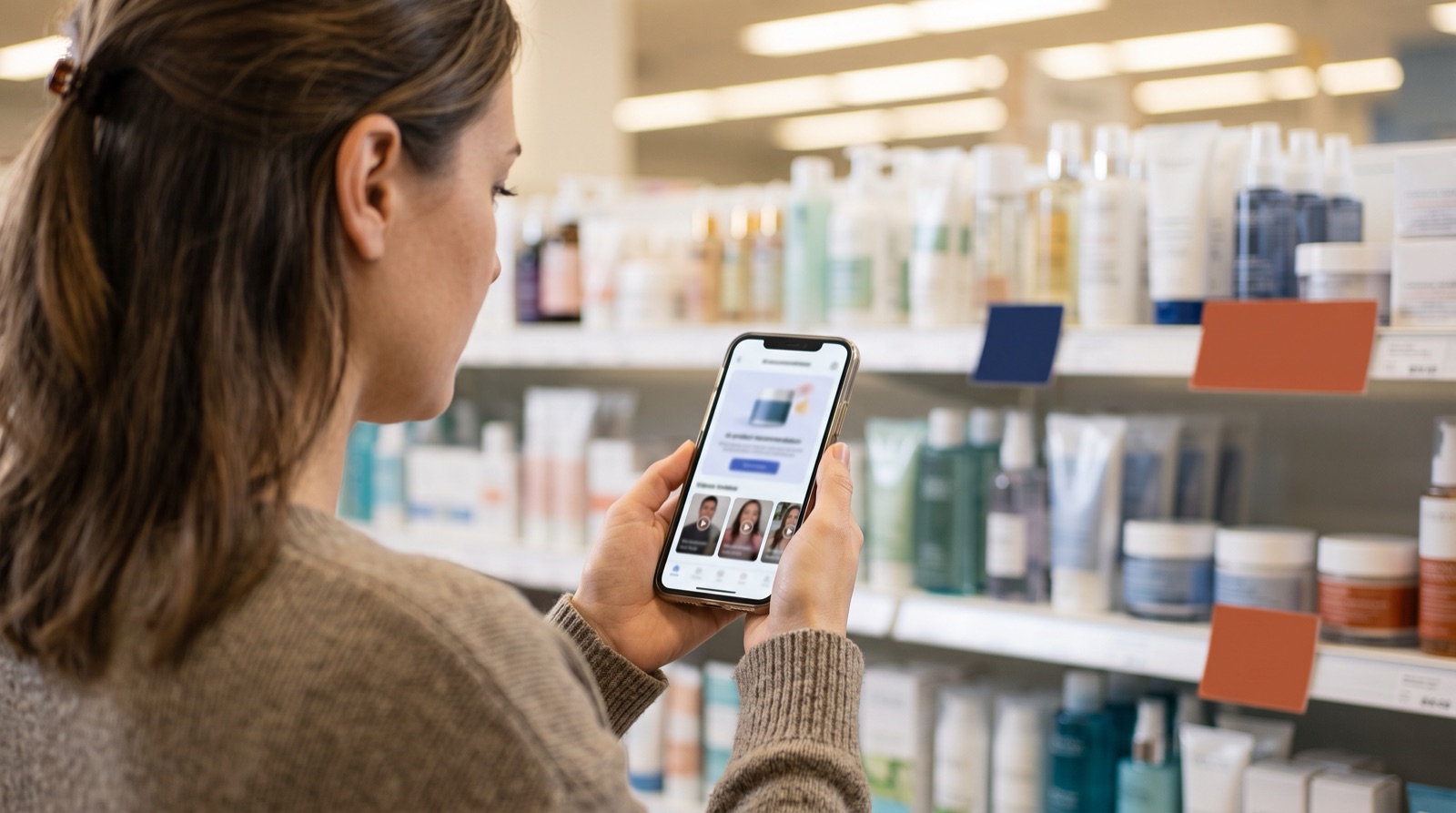
When a shopper asks an AI assistant which product is better, where does the answer come from? A study the Interactive Advertising Bureau (IAB) published in September offers a clue that matters to brands: most consumers want AI recommendations to cite creator reviews, and what they care about is not how famous the creator is but how credible. That changes the job of creator marketing. It is no longer only reach on social platforms. It is also source material AI uses to answer questions. This article covers the main findings and what brands should adjust in how they choose creators and shape content.
The IAB study: shoppers want creators inside AI recommendations

The study, titled "The Creator Signal," surveyed 2,200 people aged 16 and over in the U.S., U.K., Australia, Mexico and India in May. All had used AI tools for shopping in the previous three months. Marketing Dive's coverage highlights these numbers:
- 80% are comfortable using AI for product or service recommendations.
- 56% favor recommendations that cite creator or influencer reviews. Among Gen Z and millennials it is 65%.
- 65% say credible creator reviews increase their confidence in an AI recommendation.
- Where creators help most: finding the best price and value (38%), discovering new brands (32%), comparing products (31%).
The generational split is sharp, though. Among boomers, 66% prefer recommendations without creator sources. If your core customers skew older, professional reviews and press coverage may carry more weight than creators. Know who your customer is before deciding where the budget goes.
Creator marketing has a new casting rule: credibility over follower count

The same study asked whose opinions people want to see in AI recommendations. The answer runs against many brands' instincts.
- Everyday consumers: more than 50%
- Professional product reviewers: 43%
- Lifestyle creators: 22%
- Journalists: 17%
- Celebrities and public figures: 13%
As for what makes a creator trustworthy, the top answers were a proven track record (about 50%), consistency over time (40%), subject expertise (36%), independence from brands (35%) and transparency about sponsorship (34%). A large audience came in at 21%.
Casting is changing to match. Digiday reported in March that agencies and platforms such as Dentsu, Later and Creo now use AI to match creators to briefs by subject, engagement data and past performance rather than follower count alone. Some agencies say they work with 30 to 40 percent more creators per campaign. As the cost of finding people falls, brands can afford to work with more creators who are small but credible.
What creator content looks like when AI can read it
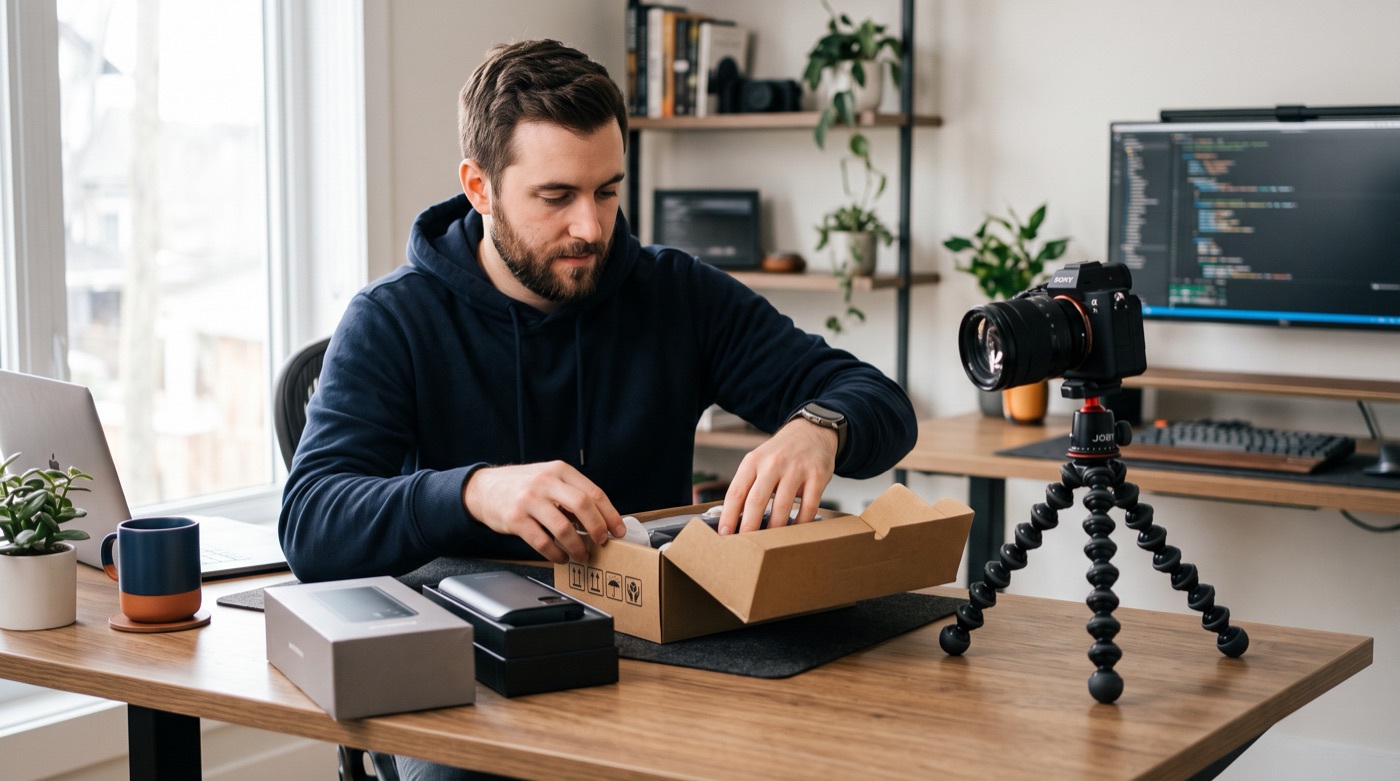
Creator content only becomes AI source material if AI can read it and is willing to cite it. Carusele's September industry roundup points to two analyses. Ahrefs studied 75,000 brands and found that YouTube mentions correlate with AI citations at 0.737, far above backlinks at 0.218. Muck Rack analyzed 25 million links and found that 84% of AI citations trace back to earned media, while paid placements account for 0.3%.
Correlation is not causation, but the direction is clear. AI prefers what others say about you over what you pay to say about yourself. Brands can start here:
- Encourage reviews with substance. How long it was used, what it was compared with, who it suits and who it does not. That detail is exactly what shoppers ask AI to summarize.
- Make content that lasts. Stories vanish in 24 hours. Long-form YouTube videos, captioned short videos and blog posts stay readable for years.
- Disclose sponsorship clearly. Transparency is itself a trust signal. Hiding the relationship loses both consumers and AI.
- Do not hand over a script. Identical praise reads as advertising. An independent view, drawbacks included, reads as a review.
This matches what we argued in Fewer Clicks, Bigger Stakes: Why Being Cited Is the New Ranking in AI Search: your own site has to be clear, and what others say about you has to be worth citing.
AI finds and measures, people build relationships and judge

AI makes creator marketing more efficient, but not every part should be handed over:
- AI handles: first-pass screening across large pools of creators, matching topics and audiences, forecasting performance, organizing post-campaign data.
- People handle: judging whether a creator's values fit the brand, building long-term relationships, deciding how much creative freedom to give, dealing with surprises mid-campaign.
In the Digiday piece, Creo's Kevin Blazaitis puts it plainly: this is not a replacement for humans, it gives them a better starting point. Selection of micro-creators is increasingly automated, while top-tier talent still needs a person at the table. Credibility cannot be bought. It accumulates one honest collaboration at a time.
Conclusion: earn the human recommendation first

As AI becomes the stop shoppers make before deciding, honest creator reviews are a brand's ticket into the answer. That ticket is not for sale. It comes from a good product, long relationships, and a brand willing to let creators tell the truth. That is what TitApeX means by "AI handles the perfect, people handle the moving": let AI do the screening and the data, and leave trust to people.
If you would like to review whether your content and creator strategy hold up in the AI era, take a look at our services or get in touch.
Comments