
Will Audiences Watch AI Video? China's First All-AI Film Flopped as AI Short Dramas Hit 200 Billion Views
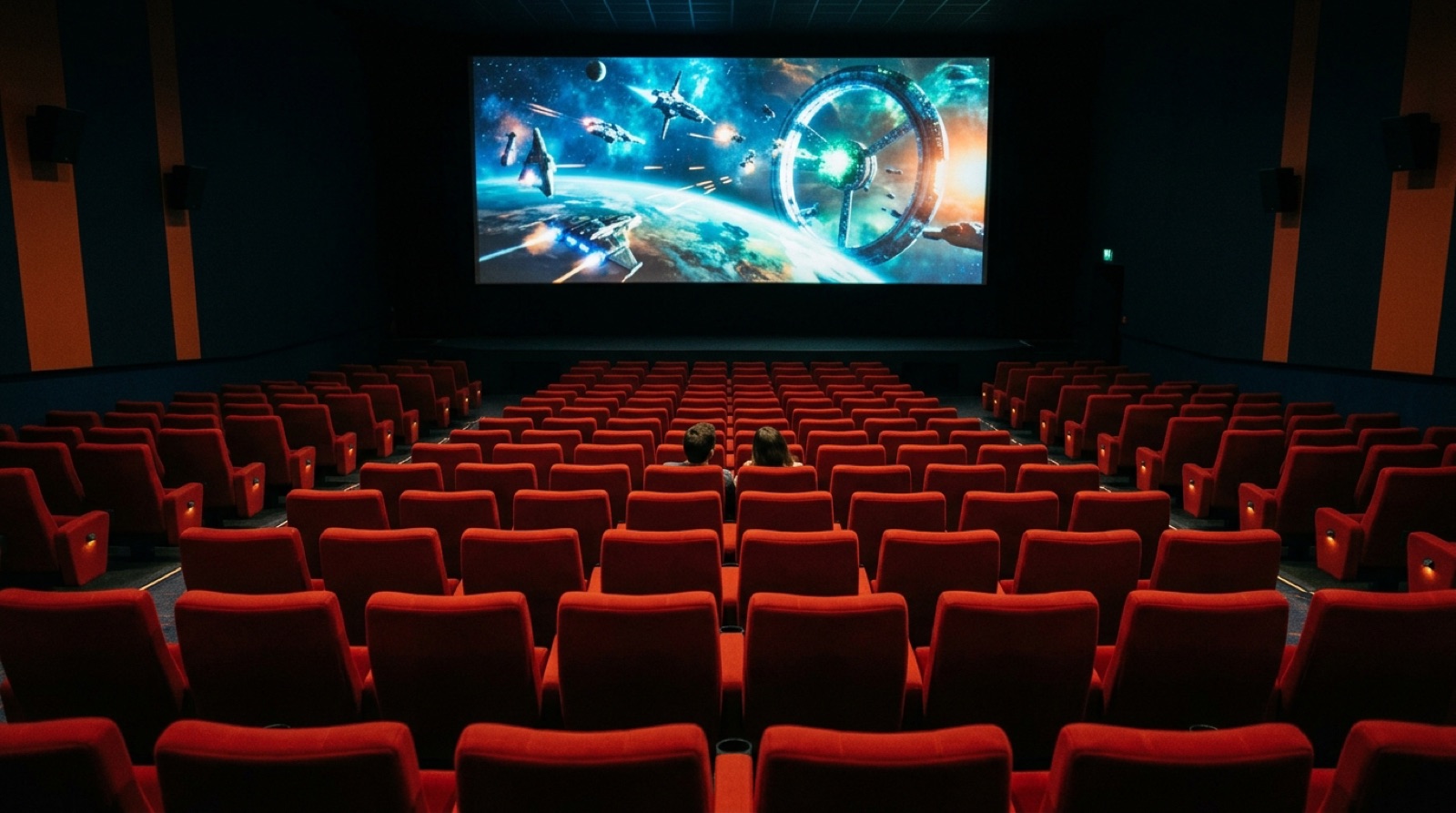
On October 23, China's first fully AI-generated feature film, Sanxingdui: Future Past, a sci-fi thriller, opened in cinemas. Bona Film Group spent more than two years, a team of nearly 100 people and over 10 million yuan making it, with every actor, voice and backdrop generated by AI. More than 10,000 screenings were scheduled for opening day, yet ticket sales were thin: AFP reported nearly 290,000 yuan by Friday evening, with the projected total far below the production cost. Over the same period, AI-generated short dramas on Douyin drew more than 200 billion views in September alone. Both are AI video, yet one struggled to find an audience while the other exploded. The contrast shows what brands should really think about when using AI for video: not "can we make it?" but "will people want to watch it?"
The AI Video Box Office Test: Being Able to Make It Doesn't Mean People Will Pay

Technically, the film is a milestone: a full theatrical feature with characters and voices generated by AI. But audiences were blunt. A preview attendee interviewed by AFP said she would not pay for a ticket at the current level of quality; another viewer said it still falls short of human-made films. Independent AI director Zhang Jun put it simply: audiences won't buy tickets just because a film is AI-generated.
Bona's CEO acknowledged the lukewarm response but said the film was pushing boundaries. That is fair, but pushing boundaries is the producer's value, not the audience's reason to pay. For brands, this is the first lesson: using AI is not a selling point in itself. Audiences care about whether the content is good and whether it is useful to them.
Meanwhile, AI Short Dramas Hit 200 Billion Views in a Month
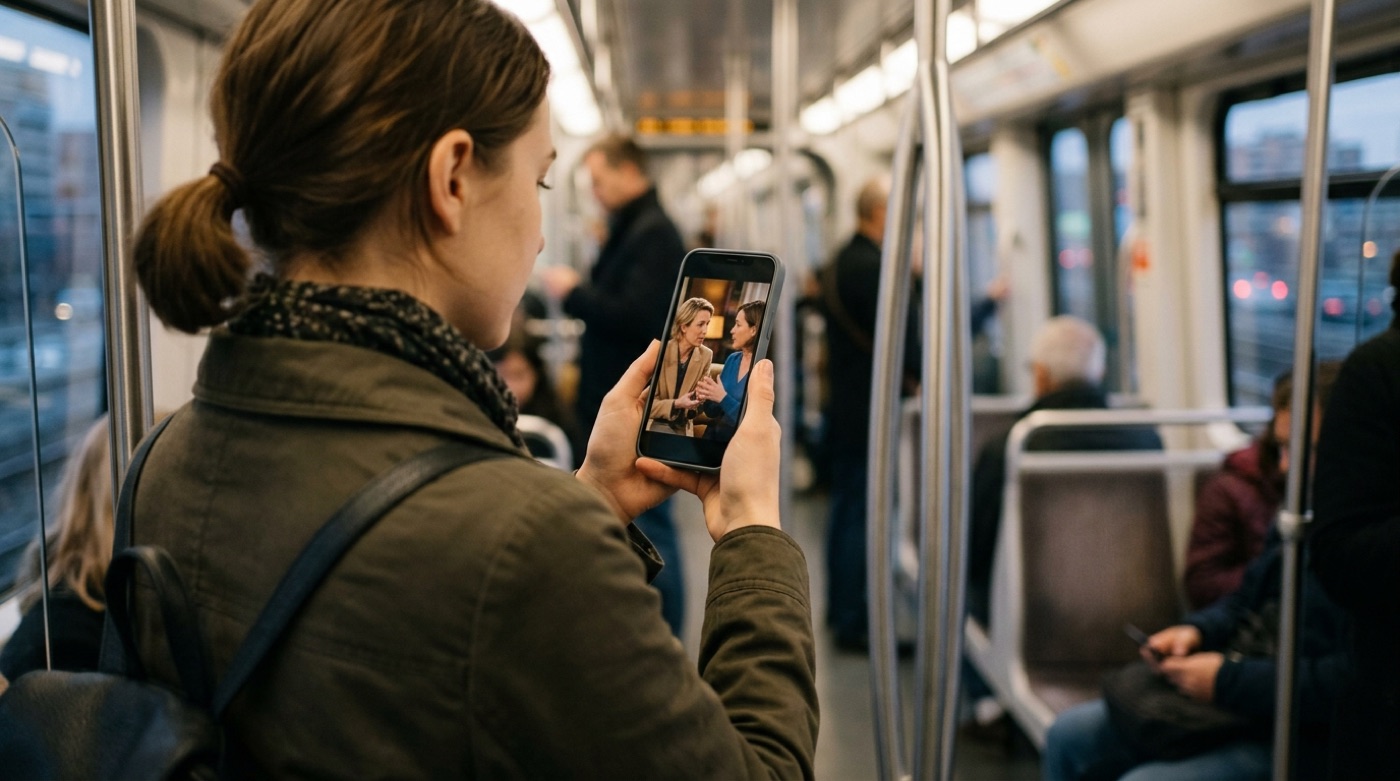
The same reports noted that AI-generated short dramas on Douyin drew more than 200 billion views in September alone. Why are the results so different when both are AI-generated?
It comes down to what viewers give up and what they expect:
- A theatrical feature: viewers pay, spend two hours and travel to a cinema, and they compare it with the visual experience of Hollywood blockbusters. The bar is extremely high.
- A short drama on a phone: it is free, a few minutes per episode and easy to swipe away. Viewers want hooks and pacing, and they are far more forgiving of visual flaws.
One Weibo user captured the mood: people won't accept paying for AI films at this stage, though free streaming might work. In other words, AI video does have an audience; it simply needs the right format. We covered brand microdramas in Viewers Skip Ads but Binge 50 Episodes, and AI makes this kind of frequent, short-form content far easier to produce at scale.
Audiences Care Whether It's Good, Not How It Was Made

This box office stumble echoes the research we discussed in Viewers Can't Tell, but It Still Underperforms: audiences may not detect AI, but gaps in story, emotion and point of view show up directly in results. Brands can test every AI video against three questions:
- What does the viewer give up? Three seconds of scrolling, two focused minutes, or a click to buy? The more they give, the higher the quality bar.
- What will they compare it with? A social clip is compared with friends' phone videos; a brand film is compared with your competitors' big productions. The comparison sets the standard.
- Does the story still work without the AI? If the only highlight is "this was made with AI," the video will not survive once the novelty wears off.
Dividing the Work on Brand AI Video: What AI Leads and What People Lead
None of this means brands should avoid AI video. It means using it in the right places. Here is the split we recommend:
- Let AI lead: short social videos, multiple ad variations, product explainer animations, storyboard previews for pitches, and high-volume formats such as microdramas. Viewers give up little here; speed and volume matter most.
- AI assists, people lead: brand films, product launch videos and flagship annual pieces. This is content people watch closely and remember, so story, performance and final craft need a person accountable for them.
- Don't rely on AI alone: content that depends on real testimony, such as customer stories, founders speaking and product tests. Viewers want authenticity here, and generated footage can damage trust.
AI delivers perfection; people deliver emotion. AI keeps making images more polished, but whether a video is worth watching is still decided by someone who understands the audience.
Conclusion: Ask What Your Audience Wants Before Deciding Whether to Use AI

The all-AI feature's cold reception and the surge in AI short dramas tell the same story: technology is only the entry ticket; format and content decide whether audiences buy in. For brands, the best starting point for AI video is not "what can this tool do?" but "in what situation, and for what content, will my audience stop and watch?"
If you are planning brand videos and want to know which pieces suit AI production and which deserve a proper shoot, explore TitApeX's services or get in touch.
Comments