
Viewers Skip Ads but Binge 50 Episodes: Four Questions to Answer Before Your Brand Makes a Microdrama
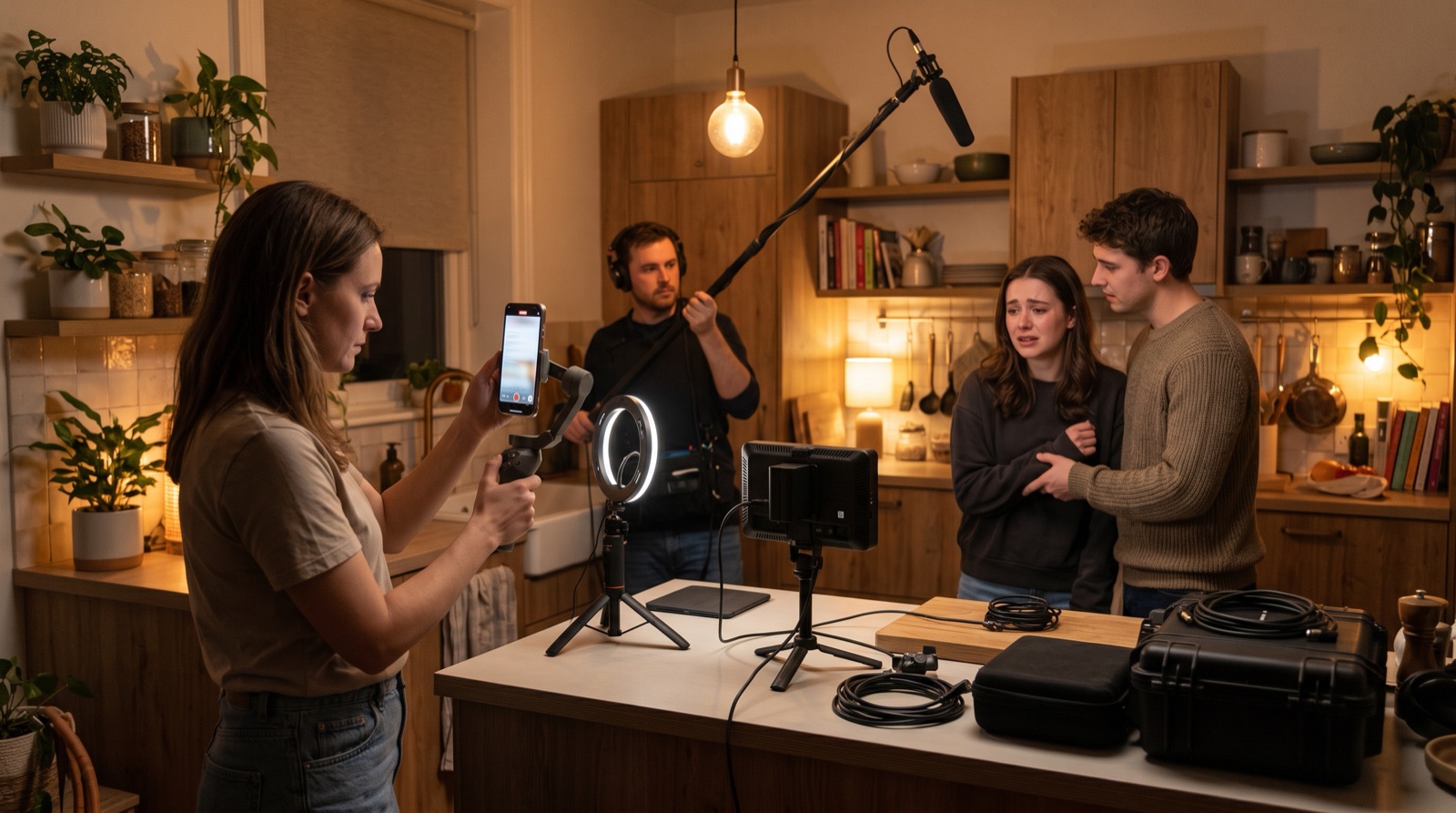
Episodes that run a minute or two, shot vertically, each ending on a cliffhanger. The microdrama format first took off in Asia, and this year it became the content experiment of choice for Western brands: Crocs, JCPenney, Procter & Gamble and Dr Pepper have all made their own. The appeal of brand microdramas is simple. Viewers scroll past ads, but they choose to follow a series. The industry is also issuing its own warning: plenty of brands are just "renting the format" without knowing why they are making one. This article covers where the market stands, three approaches already in use, and four questions to answer before you film.
Why brand microdramas are suddenly everywhere

Start with where the audience is. Citing Sensor Tower data, Marketing Dive reports that time spent in short-drama apps grew by 5.78 billion hours in 2025 compared with the year before, and downloads rose by 1.66 billion. The momentum has carried into this year. Sensor Tower figures compiled by Digital Yield Group show more than 850 million short-drama app downloads in the first quarter of 2026, up 140% year over year, and Deloitte forecasts that global in-app revenue for the format will grow from $3.8 billion last year to $7.8 billion this year.
The audience is not confined to dedicated drama apps either. "Screen Time," a 57-episode thriller made by Issa Rae's company Hoorae with TikTok and PineDrama, has passed 150 million views and attracted sponsors such as General Mills. Meta is testing a Series feature for episodic Reels, and TikTok has partnered with the Sundance Institute on a microdrama development program.
There is a practical draw for brands as well. A conventional commercial can cost millions of dollars, while a microdrama usually costs far less and moves much faster. Several people interviewed went further and said the deliberately unpolished look is part of the charm, and that a big budget can make the work feel inauthentic.
Three approaches to brand microdramas already in use
Make it yourself and put it where people binge
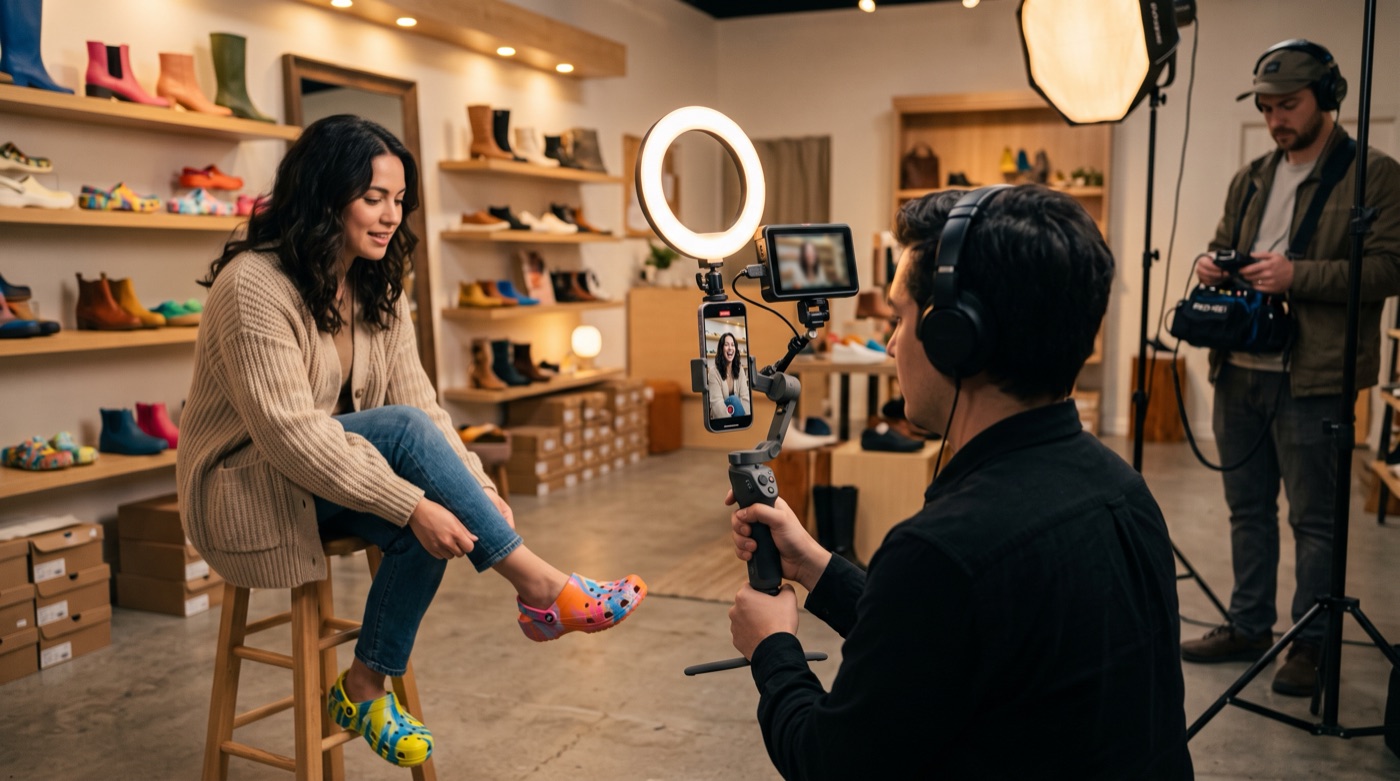
Crocs' series "Charmed to Meet You" on the short-drama platform ReelShort drew nearly 10 million views and earned a sequel. In June the company launched "Déjà Shoe," a seven-part shoppable series on TikTok Shop that went from development to finished production in under four weeks. Crocs CMO Carly Gomez says microdramas let a brand build emotional connection, not just awareness.
Partner with a media company to reach one specific audience
JCPenney worked with the Spanish-language media group TelevisaUnivision on a five-part micronovela. It delivered more than 16 million impressions and 5.6 million video views, helping the department store reach a Hispanic audience that matters to its business.
Connect the story to the shelf
Procter & Gamble's Native brand released "The Golden Pear Affair," a 50-part series with on-screen callouts showing where the products are sold. P&G also partnered with the retail media arm of the grocery chain Albertsons on "Rico's Tacos," using the retailer's shopper insights to shape the content. In a sense this is P&G returning to its roots: the term "soap opera" comes from the radio serials the company sponsored decades ago.
One caution: the view and impression figures above are reported by the brands or platforms themselves. Use them as a sense of direction, not as your own targets.
The industry's own warning: don't just "rent the format"

In the same report, practitioners offer as many warnings as success stories:
- Matt O'Rourke of the agency Via says many brands are "renting the format" without a real plan.
- Ian Schafer of Ensemble, a Hoorae division, worries about a production bubble: too much content chasing too few viewers.
- Stevie Archer of M+C Saatchi advises embracing the campiness that comes with the genre, and warns marketers not to overpromise results to their bosses.
- Geneva Wasserman of Dentsu argues that brands should be open about product integration.
- Paul Telner of Viral Nation notes that continuing storylines make this kind of content hard to produce well.
Our view is that the format can be copied and the story cannot. Vertical framing, short episodes and cliffhanger endings are things anyone can learn. People tap through to the next episode because they care what happens to a character, and there is no shortcut to that.
Four questions to answer before making brand microdramas

1. Why a series and not a single ad?
If what you want to say fits in thirty seconds, make an ad. A microdrama suits things that need time to build: a character, a relationship, a way of living. Write down why a viewer would watch episode two. If you cannot, hold off on filming.
2. What role does the product play in the story?
The product can be a prop, a setting or the thing that drives the plot. It cannot be a commercial break that interrupts the story. Decide how you will disclose it, too: if the brand made the series, label it clearly. Viewers do not mind a brand making a drama. They mind being misled.
3. How many episodes in the first season?
Crocs' shoppable series ran seven episodes and JCPenney's ran five, while P&G committed to 50. For a first attempt, testing the response with five to seven episodes is the steadier choice. Add more once people are following.
4. Which numbers will define success?
View counts alone are easy to misread. What matters more is whether viewers keep going from one episode to the next and whether they come back to rewatch. Set these measures before filming, and be clear with leadership about whether this season is a test or a conversion play.
AI can help here. Script ideation, storyboard previews, subtitles and multilingual dubbed versions all make serial output affordable for a small team. But which character deserves the audience's attention, and which line of dialogue speaks for the brand, are still decisions for people.
Conclusion: AI handles the output, people make viewers want the next episode

A brand microdrama is not a new ad slot. It is content that only works if viewers choose to stay. The barrier is not equipment or budget. It is whether you have a story worth serializing and the patience to tell it through.
TitApeX helps brands start from positioning and story, then uses AI to make production faster and more consistent. If you are weighing your next step in brand content or video, take a look at our services or get in touch.
Comments