One Video, Many Languages: What Brands Should Check Before Turning On AI Dubbing
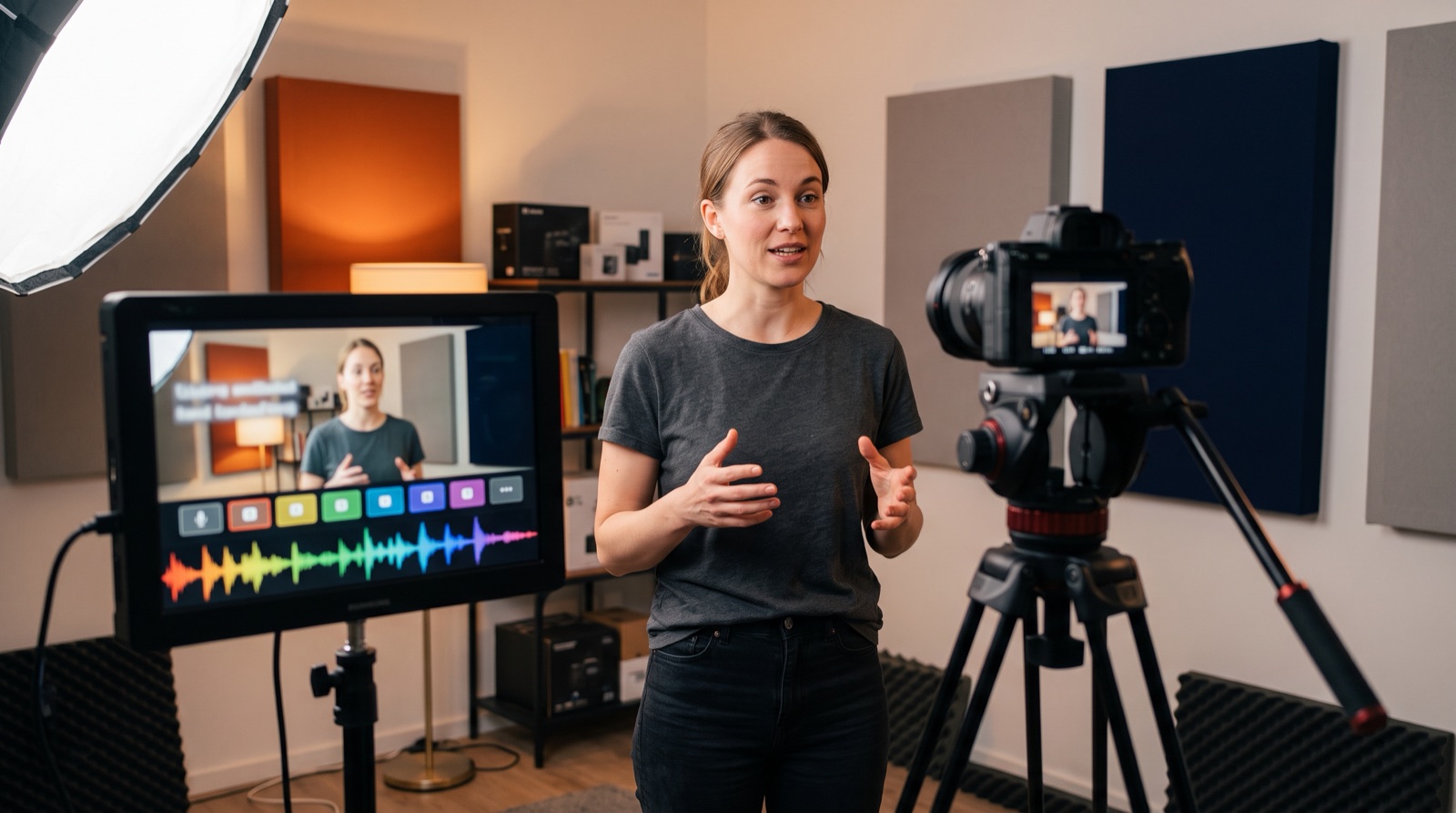
Getting a brand video to speak another language used to mean a translator, a voice actor, a studio session and a new mix. Each language was its own budget line. Now it is a switch in the dashboard. AI video dubbing is built into YouTube and Meta: upload a video and the system translates it, re-voices it in something close to your own tone, and in some cases alters lip movement so the picture matches. On September 23, 2026, YouTube used its annual Made on YouTube event to announce that even livestreams will start testing real-time dubbing. With the barrier gone, the question for a brand is no longer whether to use it. It is whether the words going out still sound like you once it is on.
Where Built-In AI Video Dubbing Stands Today

Here is where the two big platforms are:
- YouTube auto-dubbing: opened to YouTube Partner Program creators in December 2024 and to all creators in February 2026, covering 27 languages. Eight of them support Expressive Speech, which carries the pitch, intonation and energy of the original into the dub. YouTube said that in December 2025 more than 6 million viewers a day watched at least 10 minutes of auto-dubbed content.
- YouTube lip-sync and live: lip-sync is still in testing, initially limited to 1080p and five languages (English, French, German, Portuguese and Spanish). Live dubbing is due to begin as a pilot in early 2027, in English and Spanish, with a small group of creators.
- Meta AI translations: launched in August 2025 and now available for Reels on Facebook and Instagram in English, Spanish, Hindi and Portuguese. It clones the creator's own voice, lip-sync is optional, videos carry a "Translated with Meta AI" label, and viewers can choose the original.
Language support differs by platform and keeps changing. The first step before launch is to confirm that both your source language and your target market's language are on the list.
You Save the Cost and Expose the Brand Voice
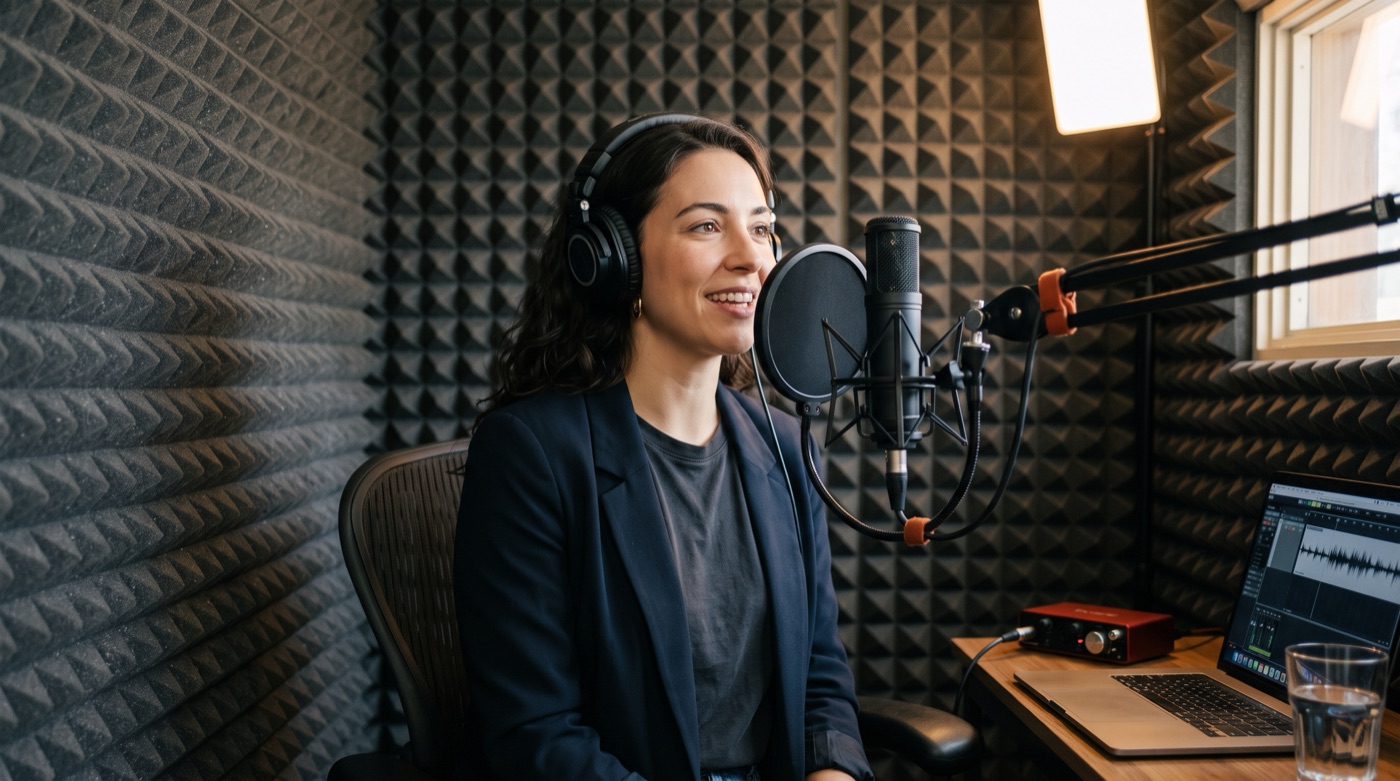
AI video dubbing removes the cost of the studio and the voice actor. It also hands a job once checked by professionals to an automated pipeline. YouTube's own help documentation admits the system struggles with proper nouns, idioms and jargon. Those three things happen to be the core of brand content: product names, taglines and industry terms.
A tagline that lands in one language can turn flat, or mean something else, when translated literally. However much the dubbed voice sounds like you, if the words do not, what the audience remembers is the mismatch.
Three Things to Prepare Before You Switch It On

- A brand glossary. Product names, feature names, taglines, terms that must stay untranslated, and the fixed rendering for each target language. Even where a platform cannot import it, your reviewer needs an answer key.
- Source video shot for dubbing. One person speaking at a time, no talking over each other, music separated from voice, an unhurried pace. Meta's feature currently handles up to two speakers who do not overlap. The cleaner the audio, the more accurate the translation and dub.
- A script that does not lean on wordplay. Puns, sound-alikes and local in-jokes rarely survive automatic translation. For a video headed to several markets, choose phrasing at script stage that still holds in another language.
Where People Must Review: Tone, Culture and Promises

The split we recommend:
- AI handles: the draft translation, voice cloning, timing, lip-sync, and the first pass on high volumes of short video.
- People handle: at least one native speaker listening through per market, confirming that product names and numbers were not altered, judging whether the tone is appropriate, and deciding which videos should never be auto-dubbed at all.
That last point matters most. For anything involving price, warranty, health claims or legal terms, one mistranslated word is one wrong promise, and those videos still call for human translation and review. Dubbing and lip-sync also count as AI-altered content, which platforms label automatically. If you advertise in the EU, see our guide on how brands should label AI video under Article 50 of the EU AI Act.
Conclusion: Let AI Make You Understood, Let People Make You Liked
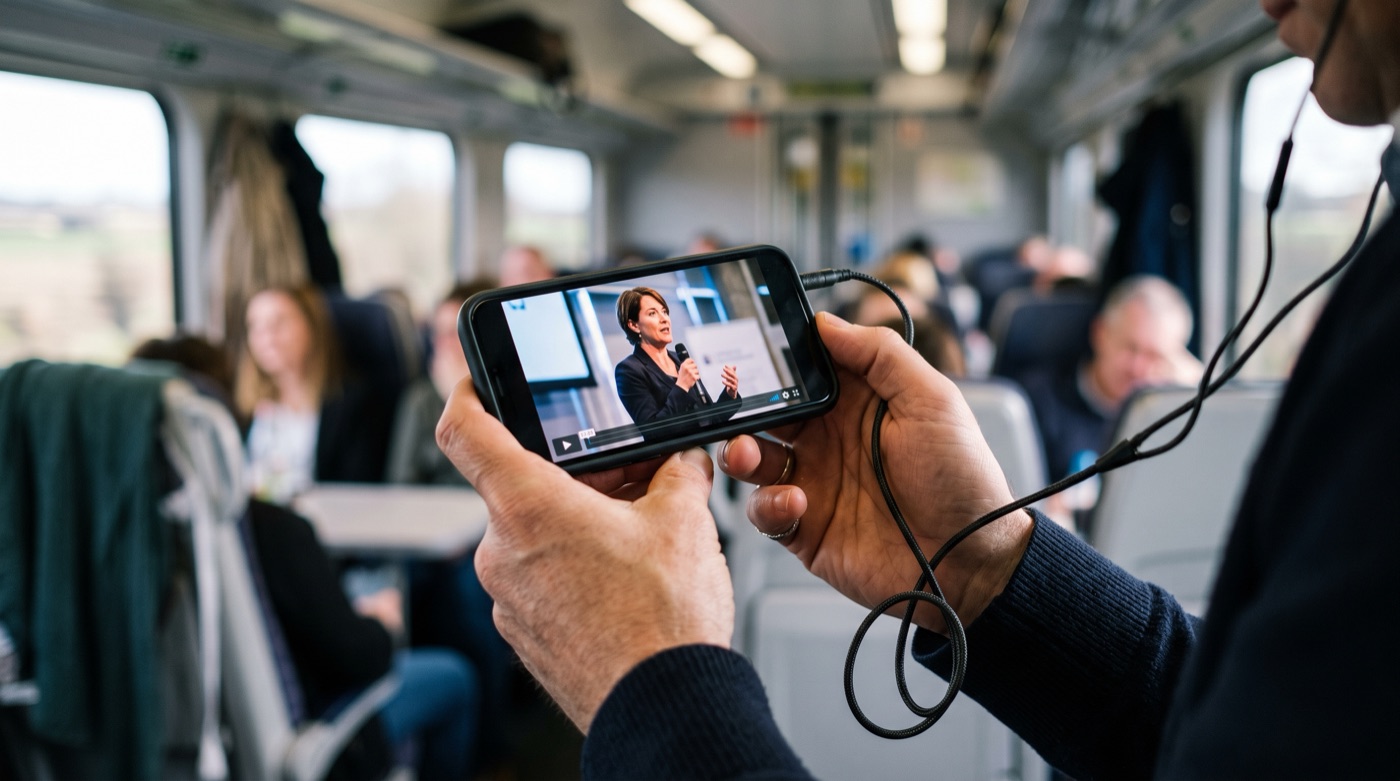
AI video dubbing makes the first step into a new market close to free, and for a brand with limited resources that is a real opening: use automatic dubs to learn which market responds, then put people and budget where the response is. Testing is one thing. The flagship videos that represent your brand still deserve a full listen from someone who knows how the language feels locally. AI takes care of perfect, people take care of moving. A machine can get you understood. Whether you are liked still depends on people.
If you are planning multilingual video or a cross-market content workflow, explore TitApeX's services or talk to us.
Comments