
Yacht Owner App: 4 Data Decisions for Shipyards in 2026
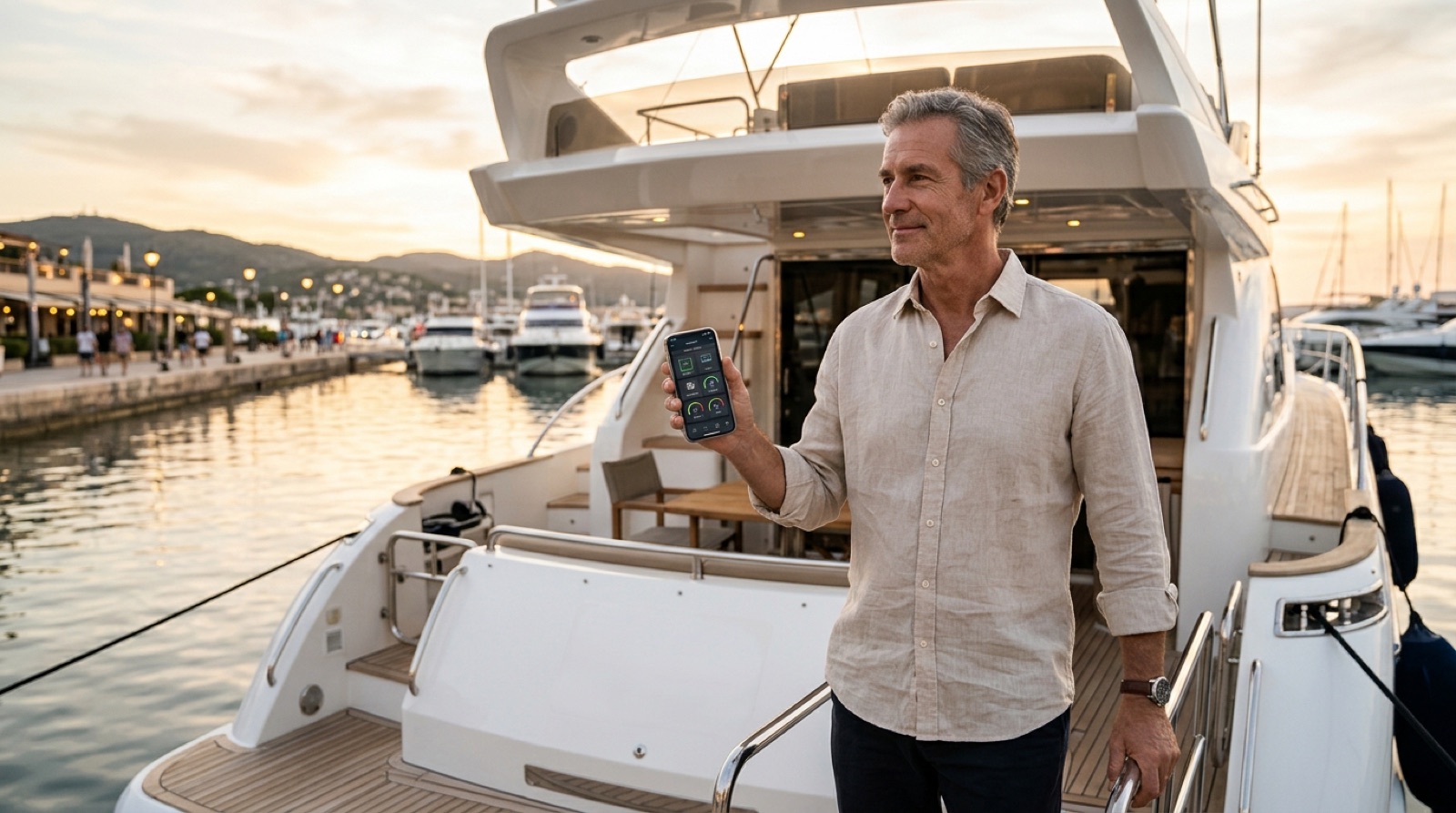
In July, MB92 Group published its fifth industry report, based on input from more than 70 captains, crew, owner representatives, shipyards and service providers. Asked which onboard use of digital technology matters most going forward, 64.3% chose maintenance tracking and 54.8% chose reporting to owners and management. The same report names the obstacle: superyachts are highly customised, legacy equipment from many suppliers sits side by side, and operational data ends up fragmented. Put those two findings together and you have the real brief for a yacht owner app. Switching lights and checking battery levels is the visible part. Underneath sits a system that collects onboard data, cleans it up and puts it in front of the right people. This article looks at the four decisions shipyards and yacht management companies should make before building one.
A Yacht Owner App Is a Data System, and Shipyards Are Building Their Own
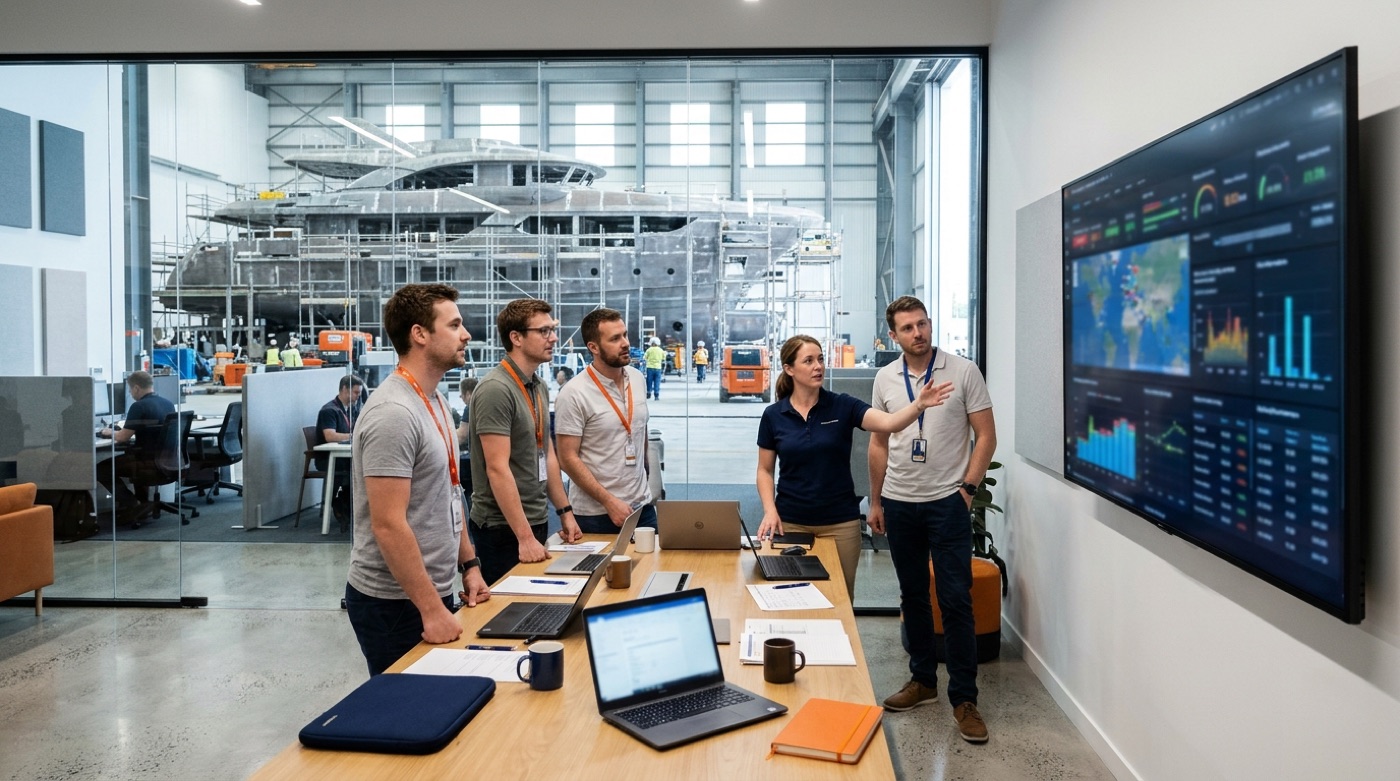
Over the past year, several builders have taken onboard digital systems in-house.
At the Cannes Yachting Festival in September, Sunreef Yachts showed Wetra, its own onboard operating system, on the Ultima 88. It brings navigation, alarms, sensors, lighting, entertainment, security and maintenance into one platform, accessible from an onboard screen, a tablet or a smartphone. The maintenance module is preventive: a drop in cooling water flow, for example, triggers an alarm before a genset overheats. The system keeps a cumulative maintenance log, which Sunreef sees as a plus at resale, and the yard runs a 24/7 remote monitoring room where operators assess alarms and inform the captain or manager.
A year earlier, in September 2025, Azimut announced Neuron, developed with MDP Tech and set to become standard on its yachts up to 80 feet. Owners can control lighting, climate and entertainment on board or remotely through an app and check diagnostics and power status; with the owner's consent, after-sales technicians can connect remotely to update software or fix faults.
What these examples share is that the builder treats life after delivery as part of the product. The owner app is the interface people see. The real asset is the data that every hull accumulates every day.
Decision 1: Where Does the Data Come From? Map the Onboard Systems First
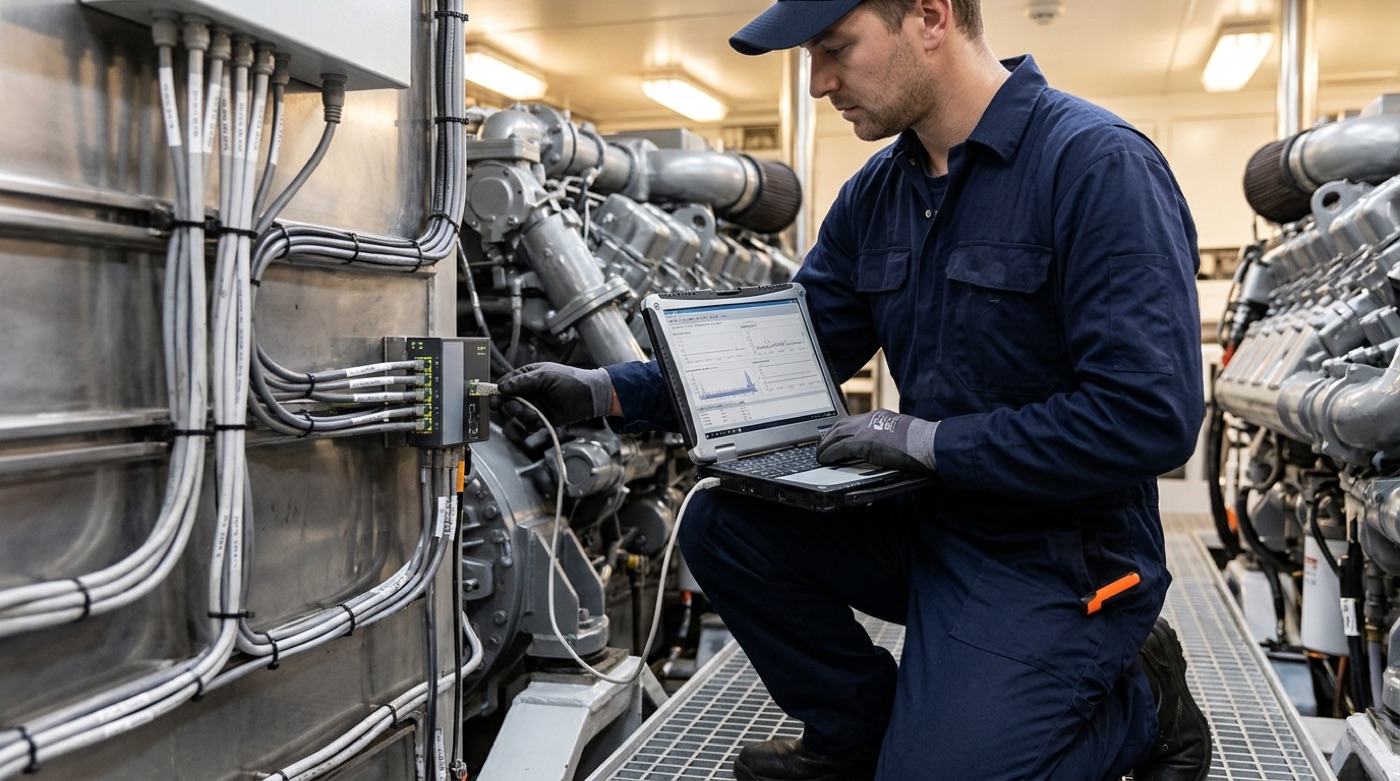
A yacht over 20 metres usually has several layers of data sources:
- Navigation and engines: mostly on an NMEA 2000 network, exposing RPM, oil temperature, fuel level, depth and position.
- Power and digital switching: batteries, shore power, generators, lights and pumps, often run through a digital switching system with its own protocol.
- Monitoring on larger yachts: superyachts typically have an alarm, monitoring and control system (AMCS) plus planned maintenance software. Platforms such as YMS360 can connect to the AMCS to update equipment running hours automatically and fill in the running log.
- Manual input: crew checklists, repair photos, parts purchasing and after-sales tickets.
The first development task is a data inventory: which fields each source provides, how often it updates, which protocol it uses and who is allowed to read it. Next, choose one identifier that ties everything together. The hull number is the practical choice. When maintenance records, service tickets, warranty claims and owner details all hang off the same hull number, you can answer "what has happened to this generator on this boat since delivery?"
The common trap is trying to connect every device on day one. Equipment from different years and suppliers speaks different protocols, and each one is its own integration project. A steadier approach is to pick three to five data points owners and after-sales care about most, such as battery level, bilge level, shore power status, engine alarms and upcoming service dates, make those reliable, then expand.
Decision 2: Who Sees What? Owners, Captains, After-Sales and R&D Need Different Views
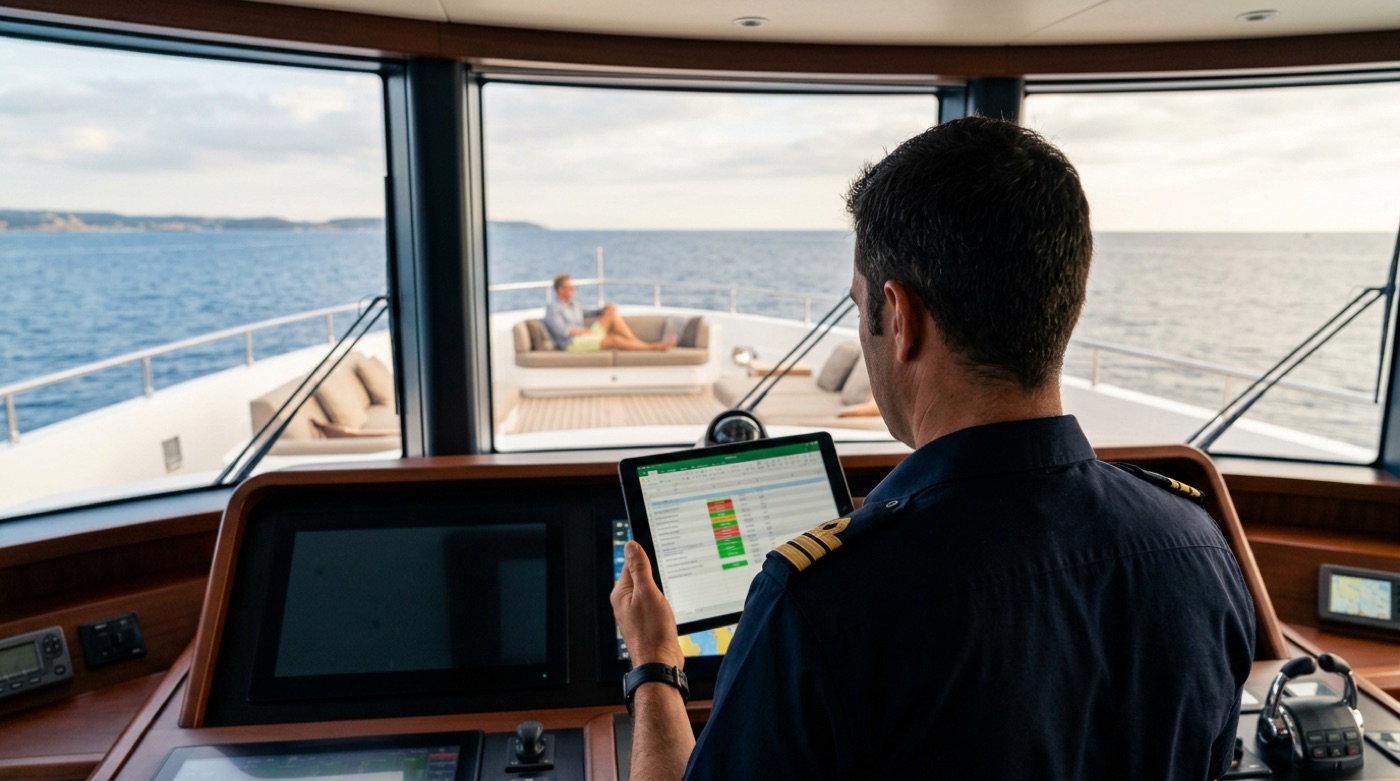
The same reading means different things to different people.
Owners want to know the boat is fine and safe. They need status they can read at a glance and one clear notification when something is wrong. Showing an owner an oil temperature curve only makes them nervous.
Captains and engineers need full detail: alarm history, running hours, which services are coming due and which locker holds the spare parts.
After-sales teams need a ticketing workflow: photos of the problem, a history of what was done, and the delivery checklist and documents for each hull. Sailsense's shipyard offering builds exactly this, tracked per hull number, to replace email, WhatsApp and paper.
R&D and product teams look at aggregated usage. Sailsense's shipyard dashboards report sailing versus monitoring time, battery usage curves, depth margins and alert frequency. Data like this answers "which component fails most often" and "how do owners actually use the boat," which gives the next model a factual starting point.
That is why permissions belong in the first design session: what owners can see, what only the captain sees, and what after-sales can access remotely only with the owner's consent. Azimut's choice to tie remote technician access to owner consent is a sound principle to borrow.
Decision 3: Offline Operation, Cybersecurity and Data Ownership
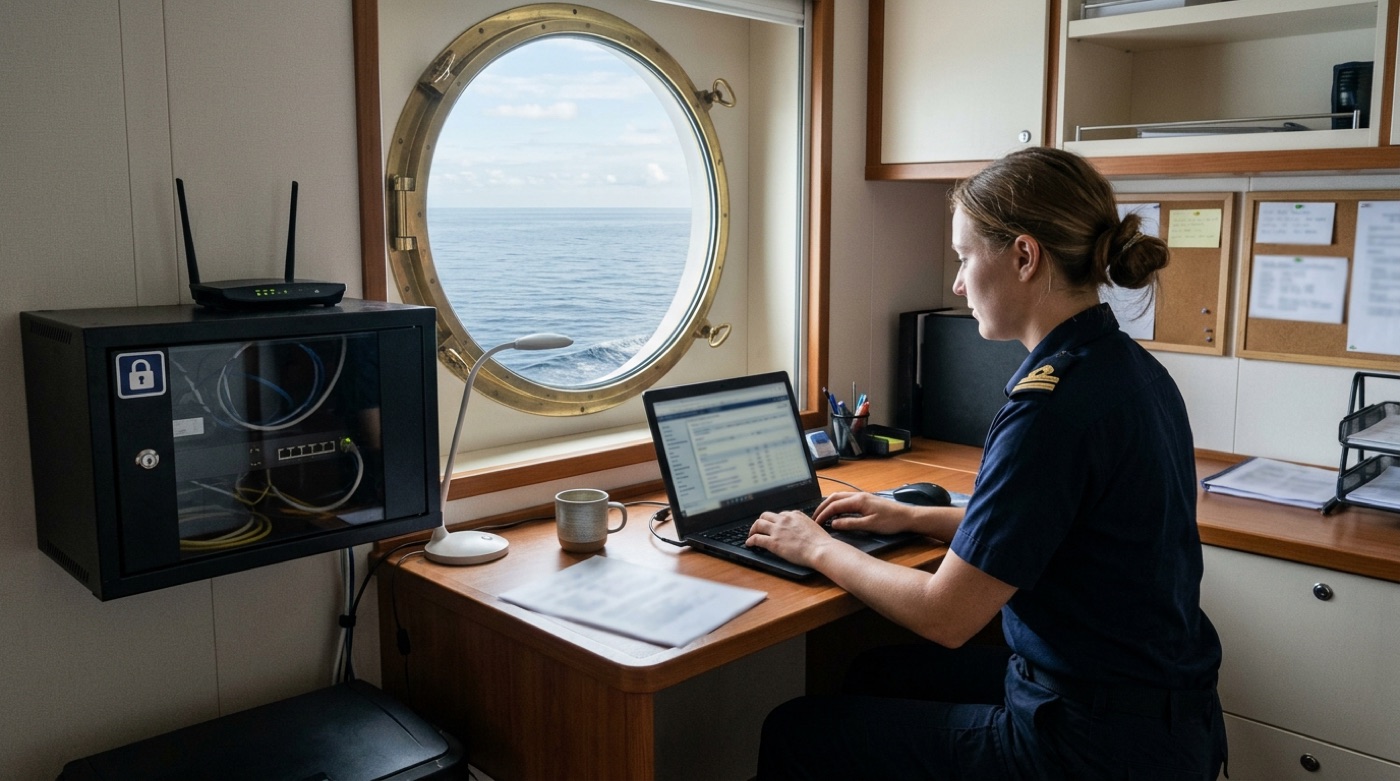
A yacht is not an always-online device, and this is the part of owner app planning most often underestimated.
Offline first. Connectivity at sea comes and goes, so onboard systems must work on their own and sync when a connection returns. YMS360, for example, offers both onboard and cloud deployment and lets crews work offline at sea. The app should also show a "last updated" time so owners never mistake old data for live status.
Cybersecurity. The MB92 report stresses that as navigation, communications, entertainment, maintenance and energy systems become connected, cybersecurity and privacy matter more. At a minimum: separate permissions for remote control and read-only viewing, a log of critical actions, guest Wi-Fi isolated from the vessel network, and multi-factor authentication. The more you can switch remotely, the more carefully you need to decide what must never be done from a phone.
Data ownership. Yachts change hands, crews rotate and management companies change. Contracts and systems should spell out who owns the data, how maintenance history transfers at sale, and how the previous owner's personal data is removed. MB92 makes the same point: the industry needs to keep valuable technical histories while protecting personal and commercially sensitive information. Store those two kinds of data separately from the start, or resale day becomes messy.
Decision 4: Start on Delivery Day and Carry the Record Through to Resale
The best launch date for an owner app is delivery day. The handover checklist, equipment documents, warranty details and first service schedule are all created then, so the owner receives a complete digital record along with the keys.
Every service, every ticket and every alarm after that adds to the record. For a shipyard, it is a long-term channel to the owner and the basis for recommending upgrades, refits and the next boat. For a management company, it feeds the regular owner reports, the second most-wanted use in the MB92 survey.
At resale, a continuous, verifiable maintenance history helps buyers and surveyors gain confidence faster. That is why owner app data should be able to connect with brokerage systems. As we covered in Yacht Broker CRM: Buy Off-the-Shelf or Build Custom?, a broker's data model already revolves around the boat, so linking both sides through the same hull number lets the history travel with the yacht.
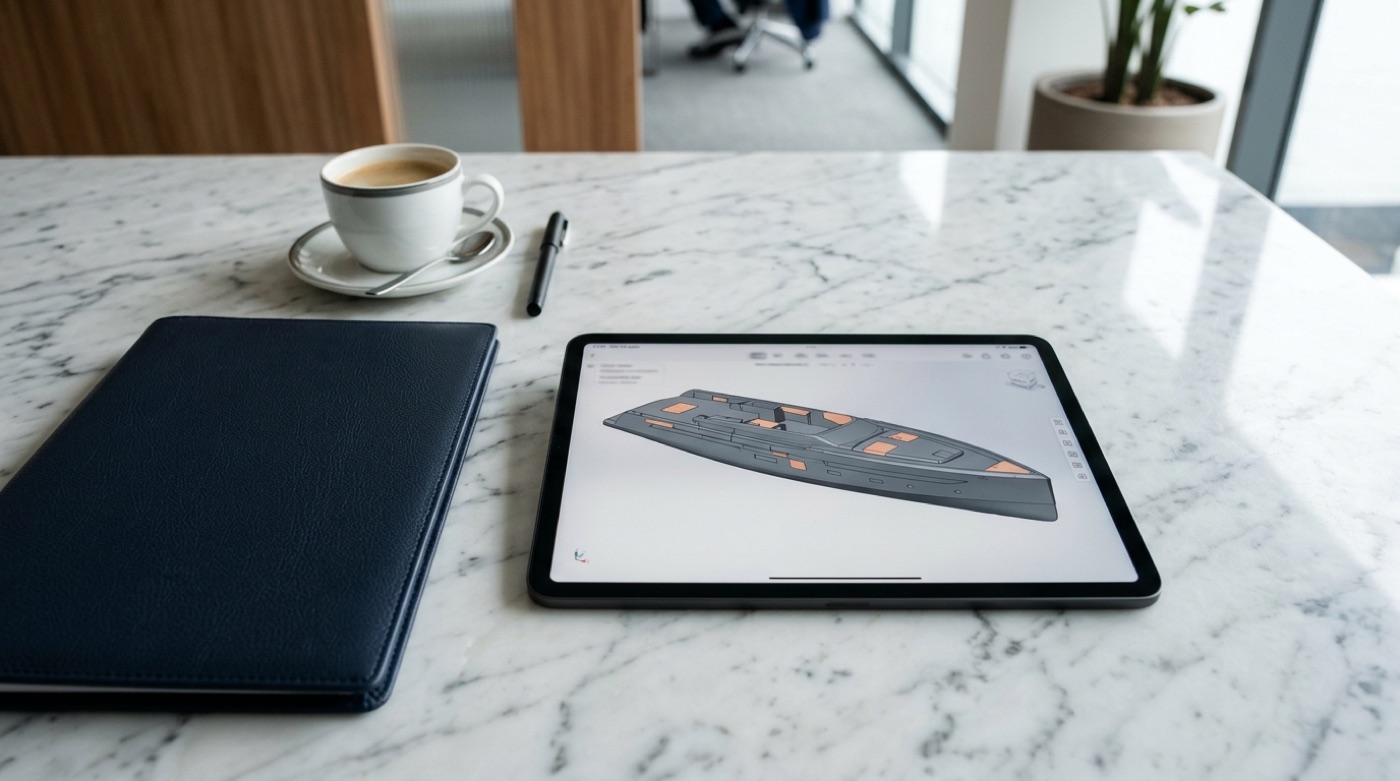
Visuals can be planned in the same project. If a builder already has a 3D hull model for its website, such as the Venus Aurelia showcase TitApeX built for a concept yacht, where visitors can rotate the hull and switch hull and trim colours, the same model can later move into the app to mark equipment locations or maintenance zones, so owners and crew can see where a problem is.
Conclusion
A good yacht owner app depends on how well the data is organised: sources mapped, each role seeing what it needs, offline and security handled, and records that follow the boat from delivery to resale. Off-the-shelf monitoring platforms suit standardised production models. Builders with highly customised yachts, or who want to own their after-sales and R&D data, have good reason to invest in a data system of their own.
TitApeX builds custom systems, apps and 3D interactive websites for high-end brands, and can integrate with existing monitoring or maintenance platforms to build the owner-facing layer. If you are planning an owner app or an after-sales data system, take a look at our custom software development services or contact us to talk it through.
References
- MB92 Group: Beyond AI: New MB92 report explores the future of intelligent refit (July 2026)
- IIMS: How digitalisation and AI will impact the future of superyacht refit (July 2026)
- Marine Industry News: Sunreef puts own AI at the heart of its yachts (September 2026)
- YachtBuyer: Azimut Launches New "Neuron" Digital Yacht Management System (September 2025)
- Sailsense: Shipyard solutions
- YMS360: Platform
Comments