What Sora's Shutdown Teaches Brands: Don't Bet Your AI Video Workflow on One Model
On September 24, 2026, OpenAI officially shut down the Sora API. The video model that once stunned the advertising world went from announced retirement to fully offline in just six months. For brands and agencies that had wired Sora into their content pipelines, this wasn't a simple tool swap: prompts had to be rewritten, styles re-tuned, and assets exported before the deadline. Sora's exit taught every brand the same lesson — an AI video workflow can't be bet on a single model. Models come and go; brand consistency has to carry on.
The Sora shutdown timeline: even a top model can disappear
Here's how it unfolded:
- March 24, 2026: OpenAI announced it would discontinue Sora. Only days earlier, Sora was still shipping new editing features.
- April 26, 2026: The Sora web and app experiences shut down.
- September 24, 2026: The Sora API was discontinued. OpenAI said that after the final export window, data associated with users' Sora usage would be permanently deleted.
OpenAI didn't give a detailed official reason; reports pointed to compute constraints, high operating costs, and a strategic shift toward enterprise products. The reason matters less than the takeaway: even the best-known model on the market can vanish from your toolbox within a quarter.
The real brand risk: not the model, but a locked-in workflow

Many teams adopt AI video by finding "the strongest model" and building everything inside it. Prompts live in that platform's projects, the look is dialed in by that model's particular feel, and finished work lives only in its cloud. When the model goes away, you lose more than a tool:
- Knowledge of your brand style: Months spent tuning "our look" may exist only inside one version of one model.
- Reproducibility: When you need a sequel or a localized version, you can't recover the original generation conditions.
- Assets: Videos and intermediate files that weren't exported and backed up can disappear with the platform.
It's the same core idea as in "Can AI Read Your Brand Guidelines?": brand rules should belong to the brand, not be stored inside a tool.
Building a model-agnostic AI video workflow
A good AI video workflow lets you "swap the engine without rebuilding the car." In practice, start with four layers:
1. Build a brand visual reference library
Turn your brand's color, lighting, composition, characters, and product angles into a fixed set of reference images and clips. Most leading models now support reference-driven control. Kuaishou's Kling 3.0, launched in February 2026, emphasizes multi-shot storytelling and character consistency; Runway's Gen-4.5 keeps control modes such as image-to-video, keyframes, and video-to-video. Your reference library is the "brand language" shared across models — and the first thing you can take with you when you switch.
2. Write prompts as templates, not incantations
Don't rely on secret keywords only one model understands. Describe things in a structured way: subject, setting, camera movement, lighting, pacing, and elements that must never appear. The template may need tweaks per model, but the skeleton stays.
3. Split tasks instead of relying on one model
Some models are great for fast ideation and testing ad hooks, some for precise camera and character control, some for high realism and native audio. Separate "explore, produce, refine," pick the right tool for each, and you'll always have a fallback if one model has problems.
4. Archive assets and generation settings yourself
For every finished piece, keep the source files, the model and version used, the prompt, reference images, and licensing records in your own cloud or asset system. It protects you from platform shutdowns and gives you a record for future copyright and likeness questions.
What AI can't replace: the director's eye
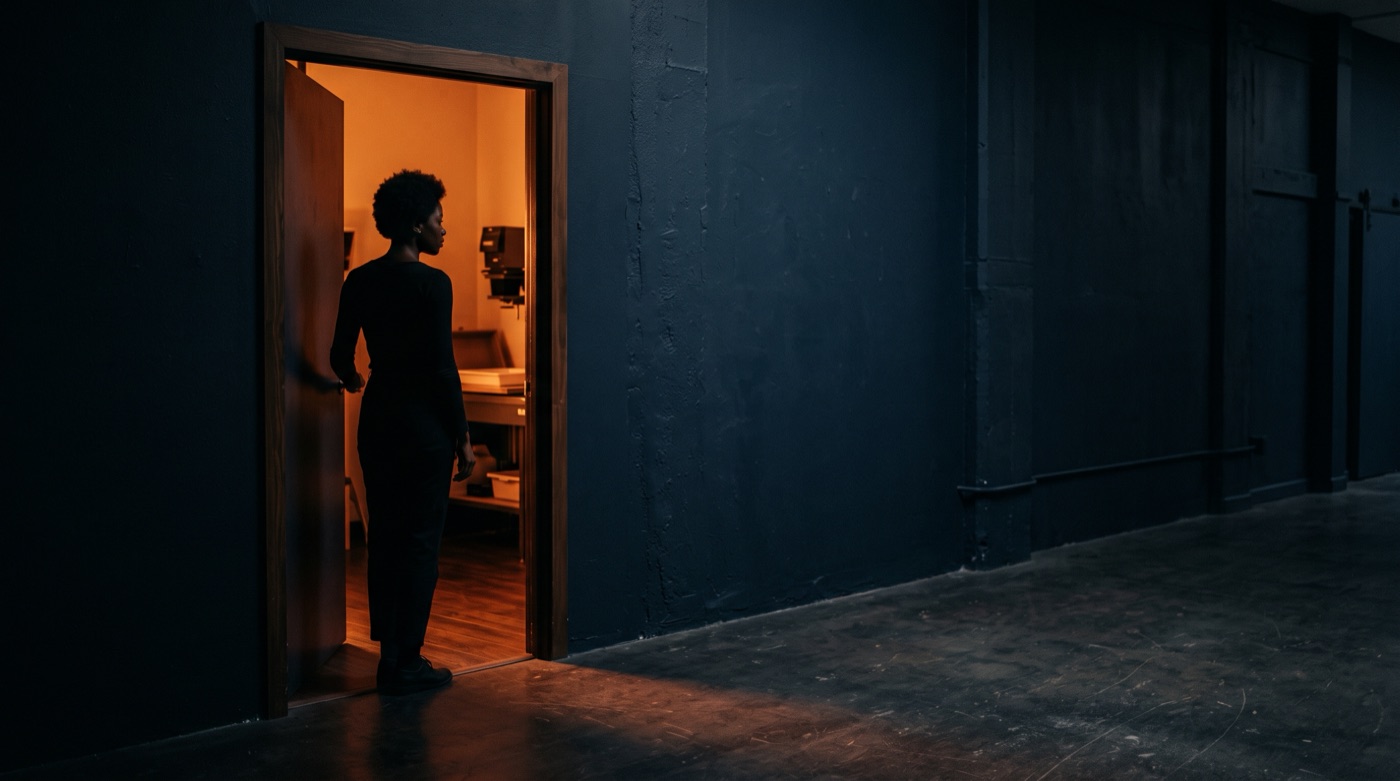
Whichever model you use, one thing doesn't change: deciding what a video should make people feel is still a human job.
- Setting the tone: What the brand story says and where the emotion lands are strategic calls, not generation parameters.
- Selecting: AI can produce dozens of versions at once; the hard part is knowing which one is right, and why.
- Quality control: Hands, text, product details, cultural meaning, and copyright risk all need an experienced eye, frame by frame.
AI delivers perfection; people deliver emotion. The stronger the tools, the more a director's judgment is worth.
Closing: make your brand outlive any single model

Sora won't be the last model to exit. Video models will turn over even faster in the coming years; today's leader may be overtaken or retired next year. What brands can do is keep the truly valuable parts — visual standards, reference assets, prompt templates, review criteria — in their own hands, so any new model can plug in quickly.
When TitApeX helps brands bring AI into video production, we first build this model-agnostic brand content system, then choose the right tools for each project. If Sora's exit means your team needs to rethink its video pipeline, let's talk.
References
- What to know about the Sora discontinuation (OpenAI Help Center)
- OpenAI to discontinue Sora video app (Axios, March 24, 2026)
- Sora API shuts down September 24: What users should do (NewsBytes)
- Sora (text-to-video model) (Wikipedia)
- Kling AI Launches 3.0 Model, Ushering in an Era Where Everyone Can Be a Director (Kuaishou Technology, Feb 2026)
- Introducing Runway Gen-4.5 (Runway Research)
Comments