Can AI Read Your Brand Guidelines? From PDF to Machine-Readable Brand Rules
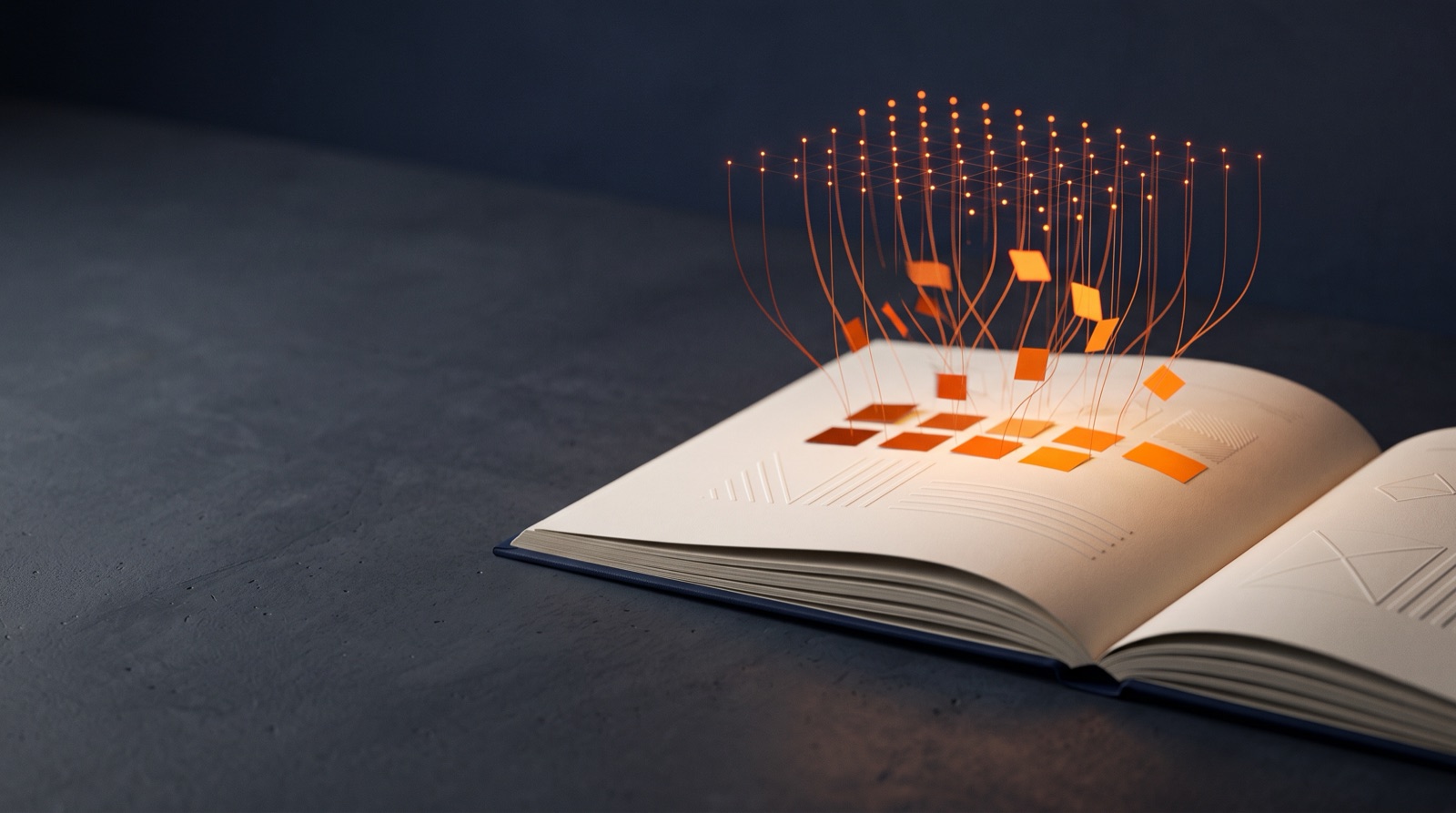
For years, a brand book was a beautifully designed PDF: logo clear space, color codes, type rules, and a few pages declaring that "our voice is warm yet professional." It was written for designers and marketers, and it relied on human judgment to interpret. Today, more and more of a brand's social posts, ad creatives and customer replies are produced by AI. Which raises an uncomfortable question: can AI actually read your brand guidelines? Throughout 2026, new releases from Adobe, Canva and Figma point to the same answer — brand rules need to become machine-readable.
Why traditional brand books break down in the AI era

A human designer who reads "keep the tone warm" will calibrate on instinct. An AI reading the same sentence can only guess. Generative AI's biggest strength is volume, and at volume every gray area turns into brand drift: colors slightly off, wording that doesn't quite sound like you, visual styles that pull in different directions.
The more practical problem is that most brand books are never seen by the AI at all. They sit in a shared drive, while the prompt someone types into ChatGPT or Claude is often just "write an Instagram post for us." When AI output feels off-brand, the model usually isn't the issue — it simply never received the rules.
What the big platforms are doing: turning brands into data AI can use

A few developments worth noting this year:
- Adobe Brand Intelligence: Announced at Adobe Summit in April 2026 as part of the GenStudio content supply chain. Beyond reading existing guidelines, it learns continuously from approvals, rejections and annotations in the review process, and makes that brand knowledge available to AI agents. In other words, the instinct of your most senior reviewer is starting to be systematized.
- Canva Brand Kits inside AI assistants: In February 2026, Canva announced that Brand Kits — colors, fonts, layouts and logos — can be used directly inside ChatGPT and Claude, so designs generated in a conversation come out on-brand.
- Figma's brand guidelines generator: Figma offers AI-generated brand guidelines that connect to existing libraries and design tokens, keeping guidelines aligned with the real design system instead of an idealized separate document.
The common thread is clear: a brand is no longer just documentation for people — it is data for systems.
What machine-readable brand guidelines look like
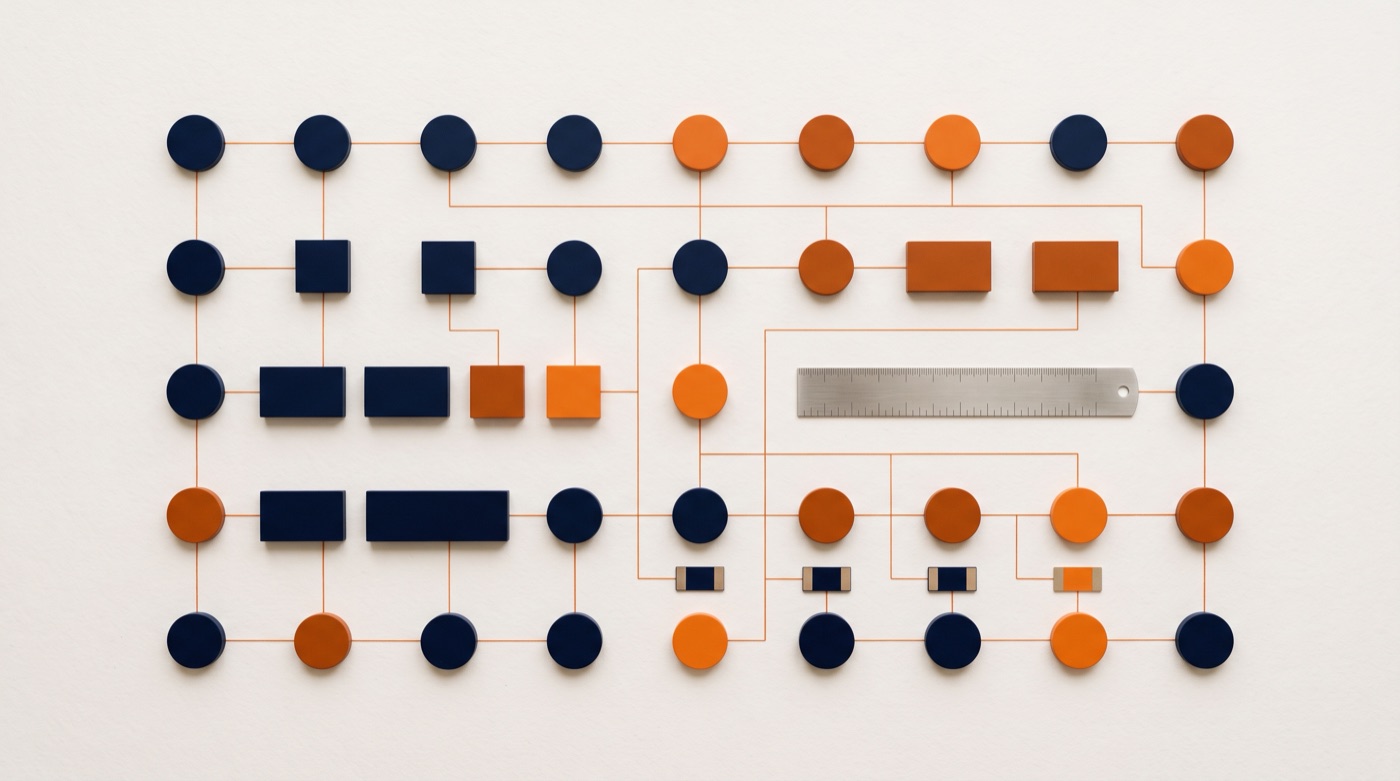
You don't need an enterprise platform to start. Any brand can rewrite its rules in a format AI can execute. A few practical principles:
1. Replace adjectives with behavioral rules
"Friendly and professional" is too abstract for AI. Rewrite it as: "Keep most sentences short," "Use no more than one exclamation mark," "Address the reader as 'you'," "Avoid absolute claims like 'the best' or 'number one'." The more specific the rule, the more consistently it gets applied.
2. Show good examples — and bad ones
List three to five samples that say "this is us," then a few that say "this is not us," with a reason for each. For AI, contrasting examples often work better than abstract description.
3. Structure your visual rules
Record colors, type scale and spacing as design tokens or clear tables, not just as screenshots of a beautifully laid-out page. That structure is exactly what lets tools like Figma and Canva apply your brand automatically.
4. Put the rules where AI will see them
Condense your guidelines into a plain-text or Markdown file and load it into the project knowledge, custom instructions or brand kit of the AI tools your team actually uses. Rules the AI never reads might as well not exist.
5. Keep the rules alive
Adobe's approach is a good reminder: real brand judgment often lives in every "no, not like that" during review. Log the reasons behind rejections and fold them back into your guidelines regularly. A brand book shouldn't be a one-time deliverable; it should be a living document that grows as your team works alongside AI.
Next: being seen correctly by AI search

Machine-readable matters not only for getting AI to produce content for you, but for getting AI to understand and describe you correctly. In June 2026, Adobe launched Brand Visibility, combining Semrush's AI visibility data to help companies track how their brand appears across ChatGPT, Google AI Mode, Copilot and Perplexity. Adobe also cited data showing that AI-driven traffic to U.S. retail sites grew 1,324% between October 2024 and May 2026.
As more customers meet brands through AI, whether your website, product information and brand story are clear, consistent and structured directly shapes how AI will talk about you.
Closing: AI perfects, people move

Making your brand machine-readable doesn't mean handing it over to machines. Quite the opposite — precisely because execution can be automated at scale, defining what your brand stands for and who it speaks to needs people more than ever. AI can follow the rules flawlessly; the attitude, taste and warmth behind those rules still come from people.
When TitApeX helps brands build identity systems, we also translate the guidelines into a version both designers and AI can use, so the brand stays recognizable even at production scale. If your team already relies on AI for content, now is the right time to revisit your brand book.
References
- Adobe Introduces Brand Intelligence and Expands GenStudio Content Supply Chain Solution (Adobe Newsroom, April 2026)
- Introducing Adobe Brand Visibility: A Unified Solution for the AI Search Era (Adobe Newsroom, June 2026)
- Canva Brings On-Brand Designs Directly into AI Assistants (Business Wire, February 2026)
- AI Brand Guidelines Generator (Figma)
- The future of brand governance is machine-readable (Frontify, June 2026)
Comments