Cover the Logo: Would Customers Still Know It's You? Distinctive Brand Assets After the World Cup Cover-Up
At this summer's World Cup, some of the most photographed "ads" in the stadiums were logos that had been covered up. Under FIFA rules, venues had to stay "clean", so the names of non-sponsor brands were hidden. Gillette and Levi's, whose names are on the stadiums themselves, ended up becoming a talking point on social media precisely because they were covered. It suggests a test worth running for any brand: if your logo were covered, would customers still know it's you? The things that make you recognizable without your name are your distinctive brand assets.
The World Cup logo cover-up: how Gillette and Levi's responded

According to NPR's July report, FIFA required World Cup venues to be "clean stadiums": apart from official sponsors such as Adidas, Coca-Cola and Visa, no other brand logos or ads could appear, and host cities had to enforce it.
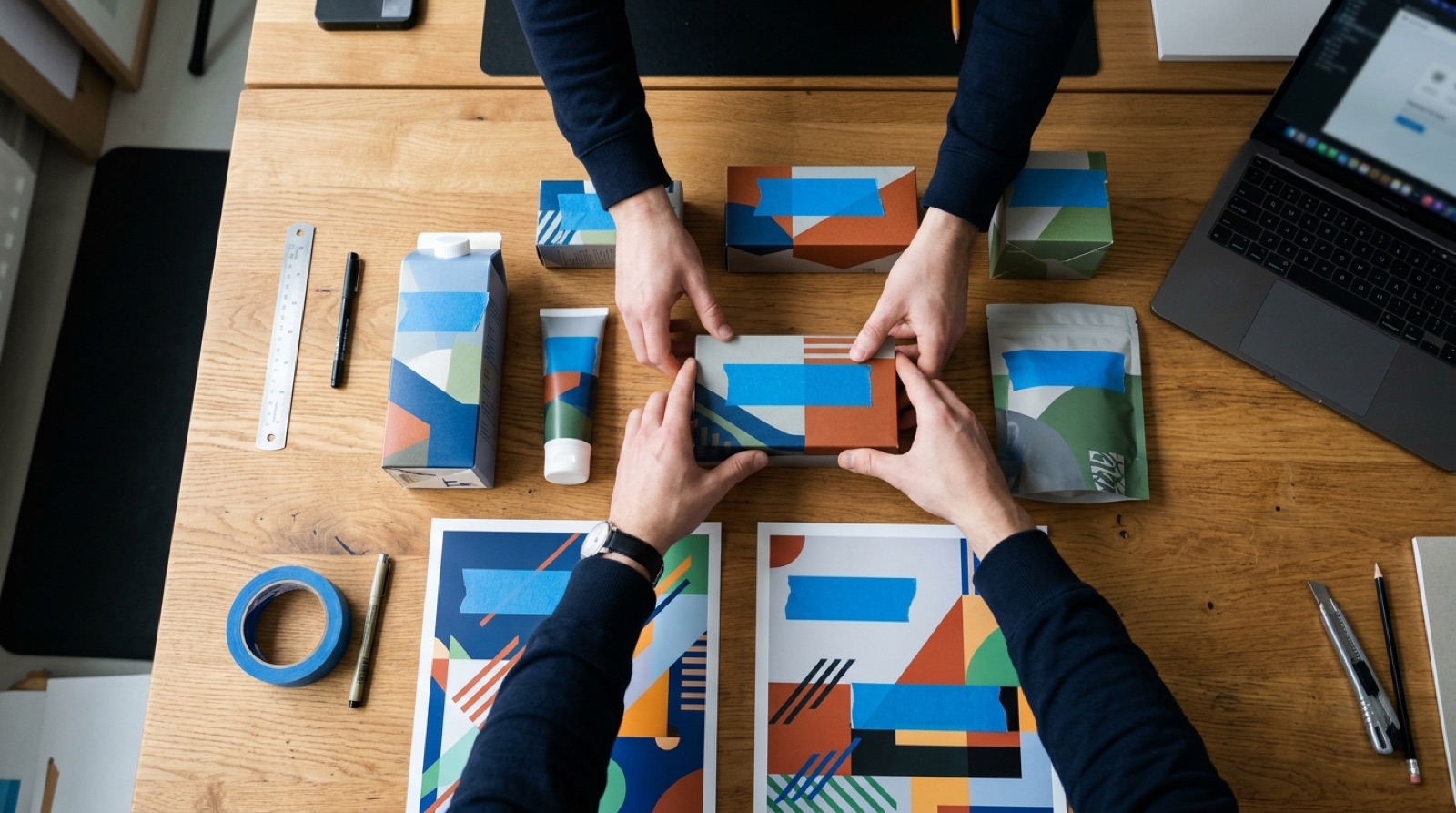
At Boston's Gillette Stadium, the brand name on seat backs was covered with small squares of blue tape. At Levi's Stadium in the San Francisco Bay Area, staff covered not only the outside signage but even the brand names on ketchup bottles in the press box.
Both brands responded cleverly. Gillette posted a computer-generated image of its stadium logo covered in shaving cream. Levi's turned the covered-logo look into a visual it carried into its stores in Paris, London and Hong Kong. Andrew Rohm, a marketing professor at Loyola Marymount University, told NPR that the harder an organization suppresses a brand, the more attention that brand tends to get.
But both cases worked for one reason: even without seeing the name, people still knew who it was.
A simple test: cover the logo, do customers still recognize you?

In brand research, the elements that bring you to mind without your name are called distinctive brand assets. Common ones include:
- Colour: a combination people instantly connect with you.
- Shape: packaging, product silhouette or a graphic symbol.
- Sound: a recurring sound effect or melody in your ads.
- Character: a mascot or recurring figure.
- Tone and typography: a consistent way of writing and a consistent typeface.
Try this: take your latest ad, social post or package, cover the logo, and show it to people who do not know you well. Ask, "Which brand is this?" If they cannot answer, or name a competitor, your brand is currently held up almost entirely by its logo.
Some brands have dropped their logos on purpose. Doritos once ran ads with no logo at all, relying on its signature triangle chip to be recognized. The Drum has also reported Heinz, Kellogg's, Tesco and McDonald's removing or disguising logos in outdoor advertising. What they have in common is very strong distinctive assets to fall back on.
Four principles for building distinctive brand assets

Being recognized without a logo is less about more creativity and more about more consistency. These four principles are a good starting point:
1. Less is more: choose two or three
You do not need to build every kind of asset. Pick the two or three with the most potential to set you apart, such as one colour and one graphic shape, and focus on them.
2. Use them for years, not quarters
Distinctive assets are built over time. Changing the whole look for every campaign means starting from zero every time. Creative ideas can change; the core elements should keep appearing.
3. Show up at every touchpoint
Website, social, packaging, stores and video should all use your assets the same way. That is why brand guidelines need to be specific enough for both your team and your AI tools to follow. Further reading: "Can AI Read Your Brand Guidelines? From PDF to Machine-Readable Brand Rules".
4. Check regularly and let the data decide
Every so often, run a small cover-the-logo survey to see which elements people actually remember, and which only feel distinctive to you.
Don't drop the logo just yet: which brands can pull it off

After seeing Levi's and Doritos, you might be tempted to make a logo-free ad of your own. Think first. Trade press has long warned that removing logos and brand names is usually a risky move for less well-known brands.
For most brands at a growth stage, the logo should still appear clearly, and it should appear together with your distinctive assets again and again, so customers learn to connect the two. Only when testing shows that plenty of people recognize you even with the logo covered does dropping it turn from a gamble into a powerful creative device.
This matters more than ever. Morning Consult's research shows it is getting harder for brands to grow in consumers' minds; we covered that trend in "Only 14% of Brands Are Growing: What to Do When Brand Consideration Hits a Five-Year Low". When attention is this scarce, every exposure should be instantly recognizable as yours.
Conclusion: the logo is a signature, distinctive assets are the face

A logo is like a person's signature; distinctive assets are their face, voice and style. The signature matters, but it is the latter that lets people spot you in a crowd. The World Cup cover-up gave every brand a public demonstration of the difference.
When TitApeX builds brand identities and visual systems, we start by identifying the assets most worth building, then turn them into guidelines both teams and AI tools can follow. If you would like to put your brand through a cover-the-logo check, let's talk, or take a look at our services.
References
- NPR / WUSF: World Cup venues must hide logos and ads, but it's giving some brands more attention
- Creative Review: Doritos goes logo-free for its latest ad
- Marketing Dive: Doritos drops its logo to spark UGC from ad-averse Gen Zers
- Digital Signage Pulse (citing The Drum): Opinion on brands disguising their logos in ads
- System1: Why are brands removing their logos?
Comments