App Maintenance in 2026: The Platform Deadlines and 4 Contract Terms to Agree On Before You Commission an App

Many business owners assume the day an app launches is the day the project ends, until a message arrives from the developer: "Google Play has a new rule. If we don't update the app, we can't upload new versions." It isn't an excuse to bill more; Apple and Google adjust their platform rules every year. The extension deadline for Google Play's requirement that apps target Android 16 runs out on November 1, 2026, and a new memory rule kicks in from February 2027. App maintenance isn't optional; it's what keeps your app publishable. This post lays out the 2026–2027 platform deadlines and the four things your maintenance contract should spell out before you commission an app.
The 2026–2027 App Platform Deadlines
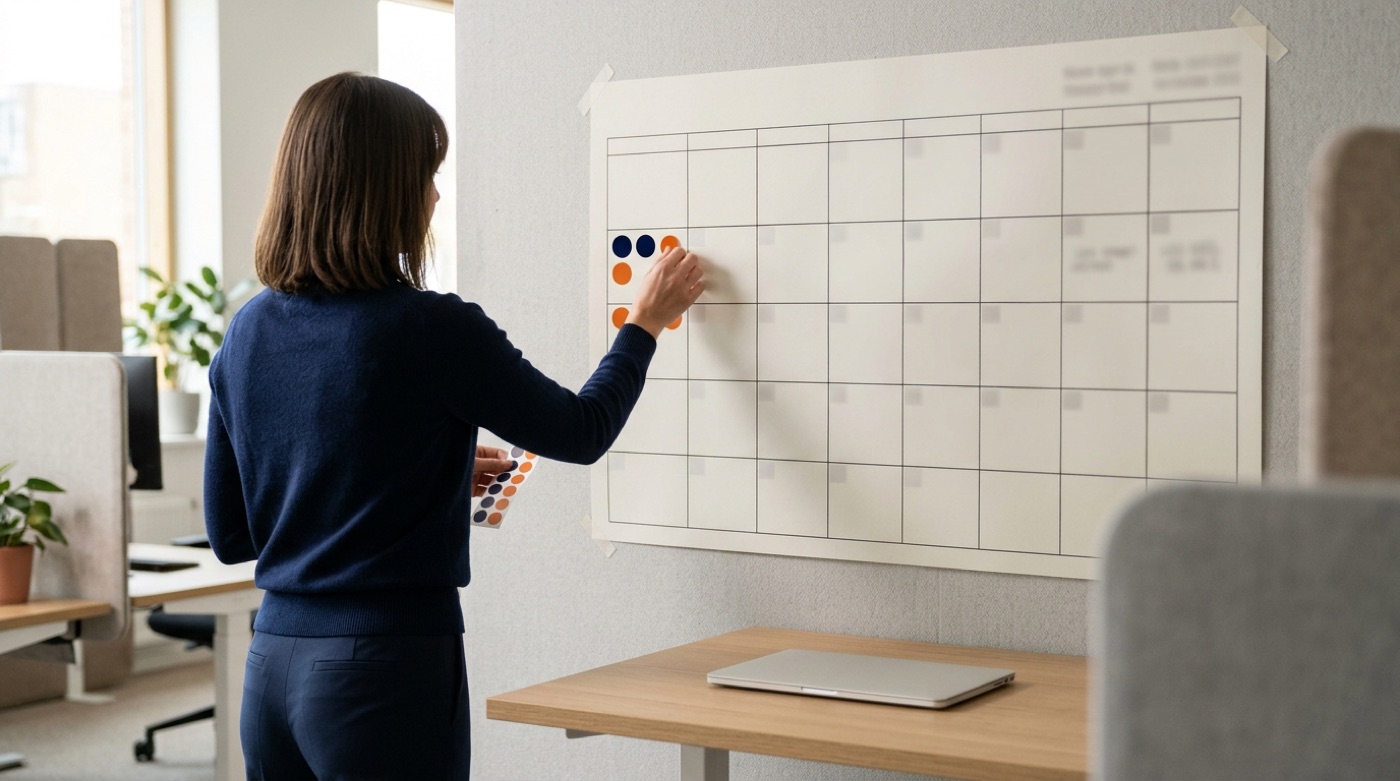
Compiled from Apple's and Google's official developer documentation:
Apple App Store
- January 31, 2026: With the new age rating system, developers had to answer the updated rating questions in App Store Connect to avoid interruptions when submitting updates.
- April 28, 2026: Uploaded apps must be built with Xcode 26 or later using the iOS 26 SDK.
- September 9, 2026: Uploaded iPhone and iPad apps must support iOS 13 or later.
Google Play
- August 31, 2026: New apps and app updates must target Android 16 (API 36). Existing apps below Android 15 (API 35) stop being discoverable to new users on newer Android versions.
- November 1, 2026: The final deadline for developers who requested an extension.
- February 1, 2027: For apps targeting Android 15 or higher, updates that don't support 16 KB memory page sizes can no longer be released.
- 2027: Android developer verification expands worldwide; we covered it in detail in Android developer verification is here.
In just these two years, the two platforms have at least six dates that affect whether your app can ship.
App Maintenance Is More Than Fixing Bugs

When people hear "maintenance," they think of fixing things when they break. But a healthy app faces four kinds of updates every year:
- Platform compliance: rules like the ones above. Skip them and you can't ship new versions, or new users can't find you.
- OS compatibility: each autumn's new iOS and Android releases can break layouts or change permission flows.
- Security and dependency updates: the third-party libraries, payment and sign-in components your app uses keep patching vulnerabilities.
- Business needs: campaigns, new features, pricing and content changes.
The first three are "skip it and something breaks"; the fourth is "do it and things get better." Many disputes start because the quote only covered the fourth, and nobody owned the first three.
Four Things Your App Maintenance Contract Should Spell Out

1. Who tracks platform announcements
Notices from Apple and Google usually go to the developer account's email. The contract should state who subscribes to these announcements, how quickly they notify you after seeing one, and that they include an impact assessment and a quote. The worst case is a notice landing in the inbox of an engineer who left long ago, discovered only after the app disappears from the store.
2. How many compliance updates and how much budget per year
We recommend making "platform compliance and OS compatibility updates" its own annual line item, for example two compliance updates plus one autumn compatibility test per year. That lets you budget ahead instead of being surprised by an urgent quote every time.
3. Who holds the accounts, signing keys and source code
The developer accounts should be registered to your company, and you should hold a copy of the signing keys and source code. That way the app can keep updating even if you change development teams. If the accounts belong to the vendor, every compliance update depends on their goodwill.
4. How handover works if you don't renew
Every maintenance contract ends eventually. Agree in advance on what gets handed over: source code, build documentation, and a list of third-party services with their renewal dates. Without these, a new team can spend weeks just getting the app to compile again.
AI Handles Reminders and Checks, People Make the Calls

AI makes maintenance much lighter: it can summarize platform announcements, scan dependency versions, run tests automatically and even help upgrade code. But some decisions still belong to people:
- AI handles: tracking announcements, comparing version differences, producing upgrade suggestions and test reports.
- People handle: deciding which updates come first, which old features to retire while you're at it, whether the updated screens still feel on-brand, and the final click on "Submit for Review."
An upgrade isn't just technical work; it's a chance to take a fresh look at the product.
Conclusion: Put Maintenance in the First Quote
The total cost of an app has never been just the build. Ask your developer to spell out annual maintenance, compliance updates and handover terms in the very first quote, and you'll truly own your product.
From design and development to post-launch maintenance, TitApeX helps brands build apps and systems that last. If you want to review the maintenance health of your current app or plan a new build, take a look at our services or get in touch.
Comments