Fewer Buyers, Bigger Yachts: How AI Sharpens Positioning in the Yacht Market
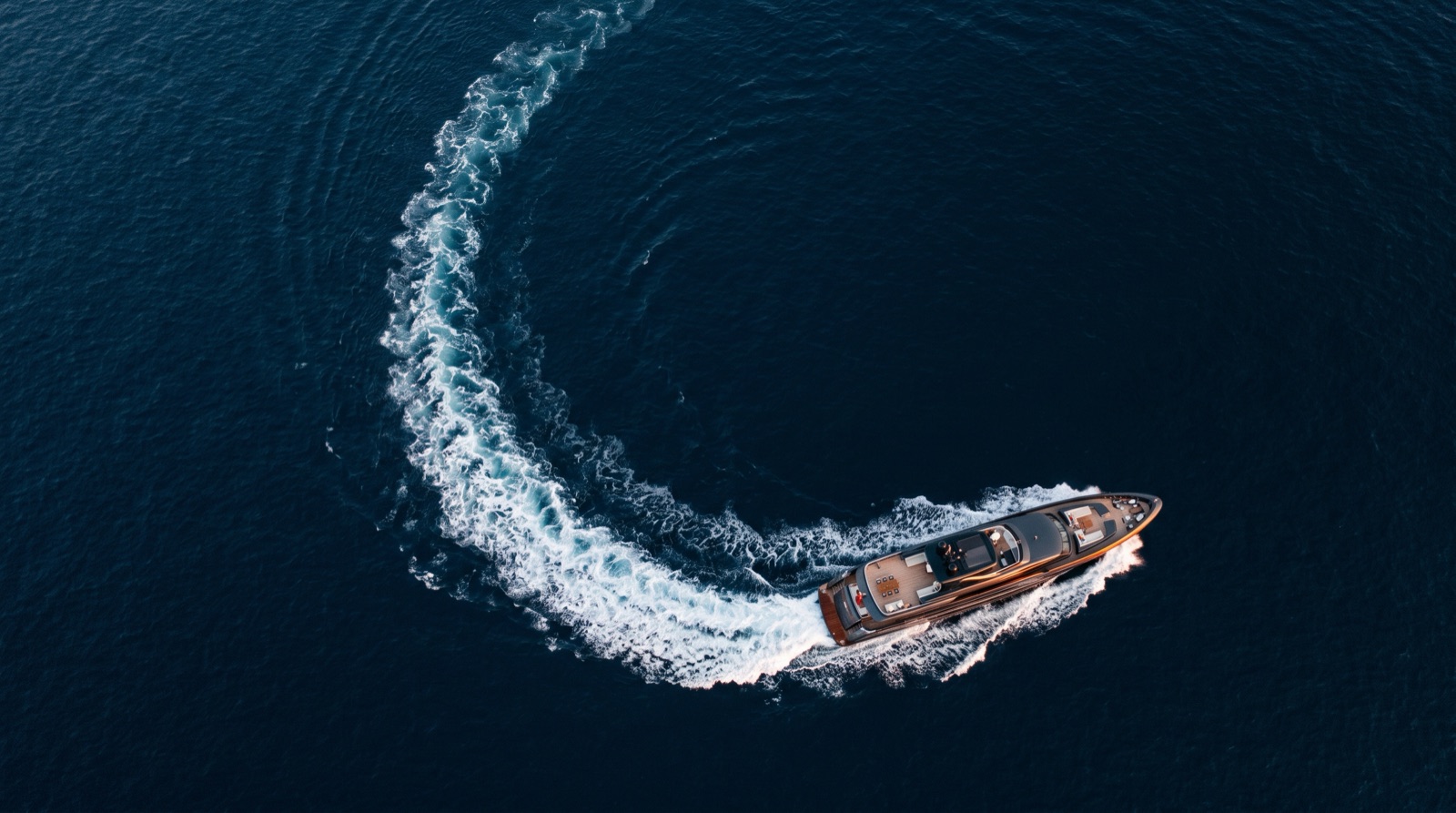
September 2026 brought the yachting world's two headline events back to back: the Cannes Yachting Festival and the Monaco Yacht Show. The pontoons were lined with ever larger, ever newer yachts, yet the market data tells a more interesting story: fewer yachts are changing hands, but each one is worth more. When buyers become fewer and more selective, the value of AI yacht marketing is not about reaching more people. It is about finding the right few, and saying the right thing at the right moment. This article pulls together recent industry news to show how AI automation can help shipyards, brokers, charter companies and yacht shows position themselves with far greater precision, and where AI simply cannot do the job.
The New Reality of the Yacht Market: Fewer Deals, Higher Values

According to Northrop & Johnson's Q2 2026 Superyacht Market Report, published in July 2026, 326 pre-owned superyachts sold worldwide in the first half of 2026, down 8% from 354 a year earlier. Total sales value, however, reached $3.51 billion, up 15%, with the average sale around $10.8 million, roughly 25% higher year on year. The 40 to 50 metre bracket had already logged 45 sales, ahead of the same period in each of the previous three years. Motoryachts carried the market, while sailing yacht sales value fell sharply.
The report's reading is blunt: buyers are more selective, and demand is concentrated at the top. For every yacht brand the signal is the same. The era of casting a wide net is over. When the pool of high-net-worth buyers who will actually commit in a given year is this small, every impression, every email and every private viewing has to land with the right person.
Three Precision Plays for AI Yacht Marketing

AI's greatest value in yachting is turning information scattered across brokers' memories, spreadsheets and inboxes into judgments you can act on.
1. Segmenting high-net-worth clients beyond a single "wealthy" label
Two buyers with the same budget can want entirely different things: one wants an explorer capable of crossing oceans, another wants a Mediterranean summer stage for entertaining, a third cares mostly about charter income. AI can surface these distinct "cruising personas" from inquiry history, browsing behaviour and past viewing preferences, so shipyards and brokers can tell each segment its own story instead of sending everyone the same spec sheet.
2. Being found by AI: from SEO to GEO
In a June 2026 article, Ward Yacht Sales noted that more buyers now research models and the market with tools like ChatGPT before they ever contact a broker. US brokerage Brewer Yacht Sales relaunched its website in April around an AI concierge, structured data that AI search can read, and generative engine optimization (GEO). In other words, your models, brand story and specifications need to be written in a way AI can understand and is willing to cite. It is the same point we made in "Can AI Read Your Brand Guidelines?".
3. Pricing and market analytics
Valuations used to rely on a broker's experience and a handful of comparable sales. AI can now continuously compare listings and closed deals by size, builder and year, flagging when a seller should adjust the price or when an asking price sits outside the market. It will not set the price for you, but it gives every quote a firmer foundation.
From Yacht Shows to Virtual Viewings: Keeping the Momentum Alive
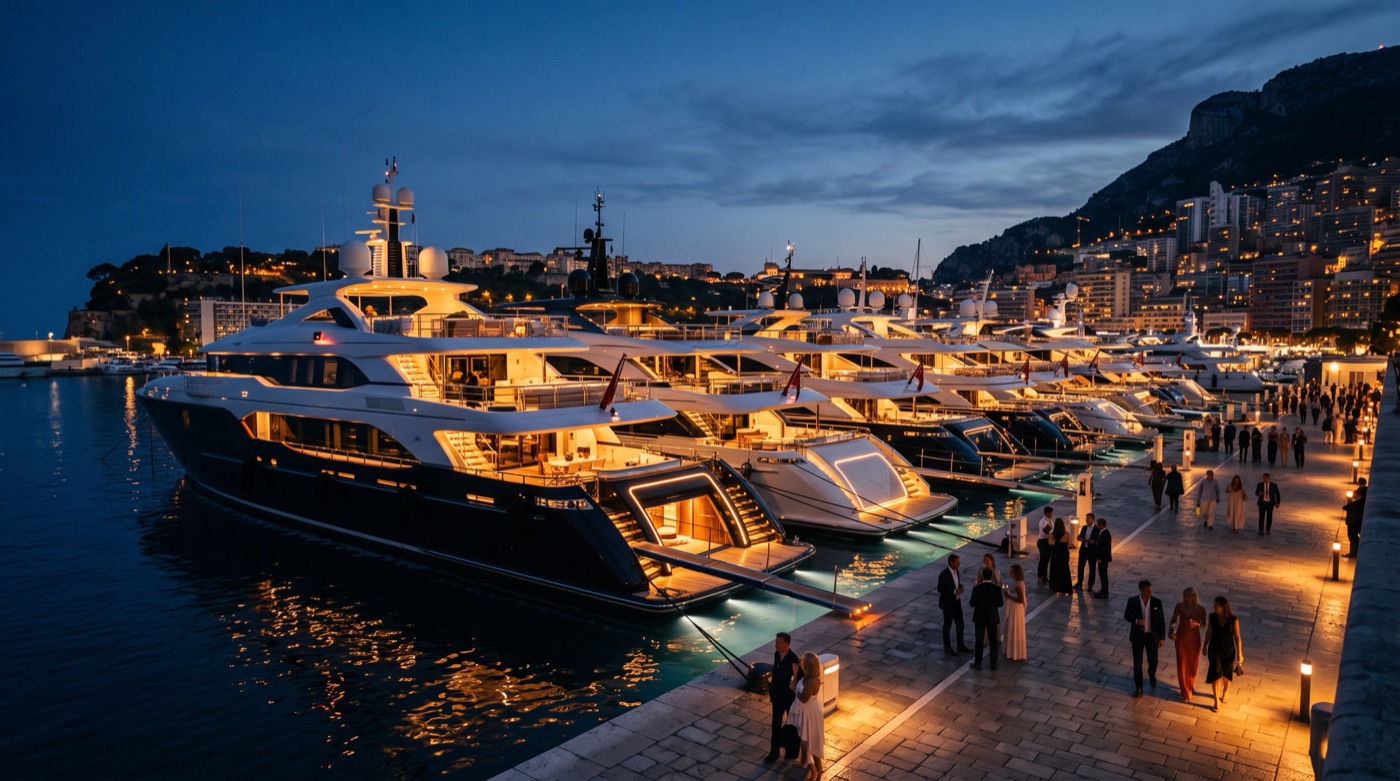
Yacht shows are the industry's most important positioning moments. This year's Cannes Yachting Festival (8 to 13 September) was expected to host around 700 boats, 680 exhibitors and some 150 world premieres; YachtBuyer counted 62 brokerage superyachts for sale on site, worth about $640 million combined. The Monaco Yacht Show (23 to 26 September) welcomed 142 superyachts and debuted the Designer Gallery alongside an immersive experience that uses interactive 3D technology to present virtual yacht projects.
The catch is that a show lasts a few days while a decision can take months. AI automation helps brands:
- Before the show: build private viewing schedules by client segment and prepare personalised invitations and model briefings.
- During the show: capture the key points and next steps from every conversation, so no prospect gets left on the dock.
- After the show: use 3D tours, virtual viewings and personalised visuals to keep absent or undecided clients connected to the yacht.
What AI Cannot Replace: Trust, Taste and Closing the Deal

A yacht is not an ordinary product. In the same article, Ward Yacht Sales highlights three things automation will not change: high-value deals need human reassurance, marine surveys and sea trials remain physical requirements, and buying a yacht is a lifestyle decision driven by emotion first and justified by logic afterwards. We agree, and would add two more: privacy and discreet service, and the interpretation of a yacht and the craftsmanship of the yard that built it.
A clear division of labour looks like this:
- AI handles: client segmentation and lead prioritisation, market and pricing comparisons, first drafts of multilingual content, follow-up reminders before and after shows, 3D and virtual viewing assets, and making sure brand data is cited correctly by AI search.
- People handle: long-term personal relationships with owners and buyers, judging which story is worthy of the yacht, the nuance of negotiation and closing, every detail on sea trial day, and absolute confidentiality about clients' identities and movements.
In the world of ultra-high-net-worth clients, the most valuable service is often being understood before you have to ask. That kind of rapport comes from people, not models. AI can tell a broker sooner what a client is thinking, but the one sitting on the aft deck, earning the trust that leads to a signature, is still a person.
Closing Thoughts: Let AI Handle Perfection, Let People Handle Emotion
The yacht market is becoming more concentrated and more demanding, which is exactly when AI can contribute the most: hand the tedious, repetitive, data-heavy work to systems, and give the time saved back to the human interactions that matter. For shipyards, brokers and charter companies, the next step is not buying more tools. It is getting your brand language, client segments and data flows in order first, then deciding which parts to hand to AI.
If you are thinking about building that kind of system for a yacht brand or any luxury brand, take a look at TitApeX's services or simply start a conversation with us.
References
- Northrop & Johnson: Q2 2026 Superyacht Market Report (July 2026)
- YachtBuyer: Cannes Yachting Festival 2026 Opens With Major Debuts and a $640M Brokerage Fleet (September 2026)
- YachtCharterFleet: Monaco Yacht Show 2026: Doors Open For The Latest Edition (September 2026)
- Ward Yacht Sales: AI and Yacht Sales: What's Already Changed, What's Coming, and What Will Never Change (June 2026)
- Brewer Yacht Sales: AI-First Website Launch (April 2026)
Comments