AI Music Is Getting Licensed, but Can Your Ad Use It? Four Checks Before You Score an AI Video
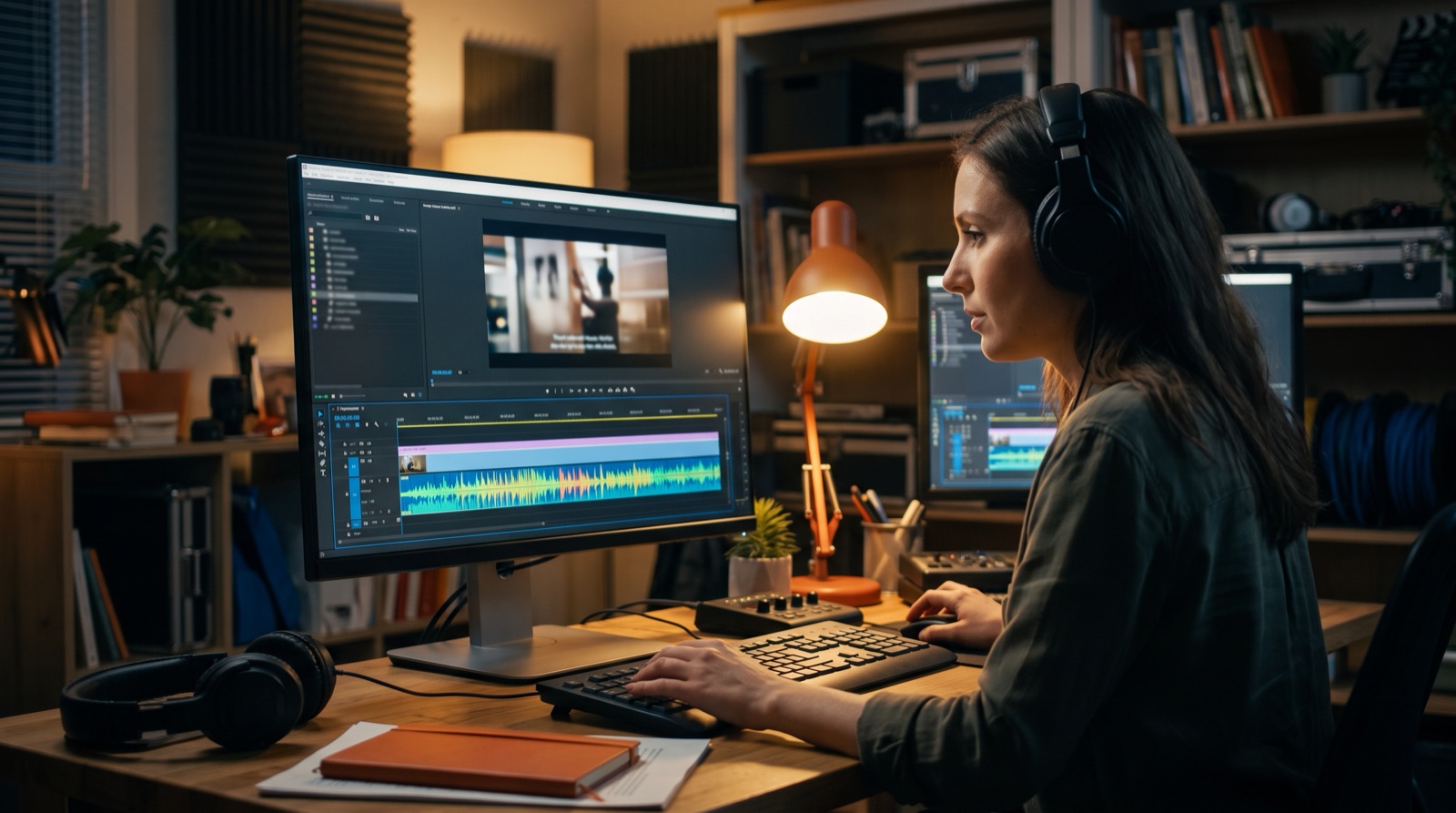
If the picture can be generated with AI, so can the music. Brands have held back until now because nearly every mainstream AI music tool was being sued by record labels. This autumn that started to change. Suno released new models built with partners including Warner Music, Universal Music signed a multi-year licensing deal with ElevenLabs, and Sonilo, a startup that writes music to match what is on screen, closed a funding round. AI video music finally looks like it has a legitimate path. For a brand, though, "licensed" in a headline and "cleared for my ad" are two different things. This article covers what just happened and four checks to run before your video goes live.
A turning point for AI video music: three announcements in a month
Suno rolls out its v6 models. According to Music Week's report on September 9, Suno began rolling out v6, v6-wild and the free v6-mini, with partners including Warner Music Group, BMG, and Believe along with its TuneCore unit. Warner became a licensing partner after settling its lawsuit last year. BMG signed in August. Believe was the last to join, having blocked distribution of Suno-made tracks as recently as April.
Universal Music partners with ElevenLabs. A day later, Universal Music Group announced a multi-year licensing and product development agreement with ElevenLabs, the company's first deal with a major label. The two plan to launch a platform where fans co-create with participating artists through remixes, mash-ups and reinterpretations. The platform is still in development, has no announced launch date, and will be offered separately from ElevenLabs' existing music products.
Sonilo turns video-to-music into a tool. In June, Sonilo made its model available on the developer platform fal.ai. Upload a video and the model analyzes pacing, motion and emotional arc, then generates original music that matches the exact duration, for videos up to 600 seconds long. The company says its models are trained on professionally licensed content, including Shutterstock's music catalog. On October 8, Variety reported that Sonilo raised $11 million in a round led by B Capital.
"Licensed" does not mean "cleared for advertising"

It is easy to read these stories as "AI music is safe now." In practice there are at least three layers of rights, and each one needs to be checked on its own.
Layer one: what the model was trained on
A deal with a label settles the question of training data, and only for the labels that signed. Suno is a clear example. Music Week notes that it lost a copyright case brought by the German collecting society GEMA in July, and it still faces claims from other music companies and rights holders.
Layer two: what your plan allows
The same tool permits different things on different plans. Suno's v6 and v6-wild are limited to paying Pro and Premier subscribers, while v6-mini is the free edition. Sonilo's press release says outputs are available for commercial use "under the applicable deployment terms," which means the real scope depends on which platform and which terms you obtained the music through. As for the Universal and ElevenLabs platform, it is positioned as a co-creation experience for fans, not a soundtrack library for brand advertising.
Layer three: who owns the output, and is anything guaranteed
According to reporting by Music Business Worldwide and others on Suno's updated terms of service from September, Suno assigns output rights to paying subscribers, subject to the platform's commercial-use restrictions. The terms also state that Suno does not warrant that copyright will vest in any output, and that applicable rights holders may have the right to collect revenue related to the distribution of outputs on third-party platforms. For someone making songs for fun, none of this matters. For a brand about to put media spend behind a video, these sentences deserve a legal review.
Music is becoming part of the video workflow
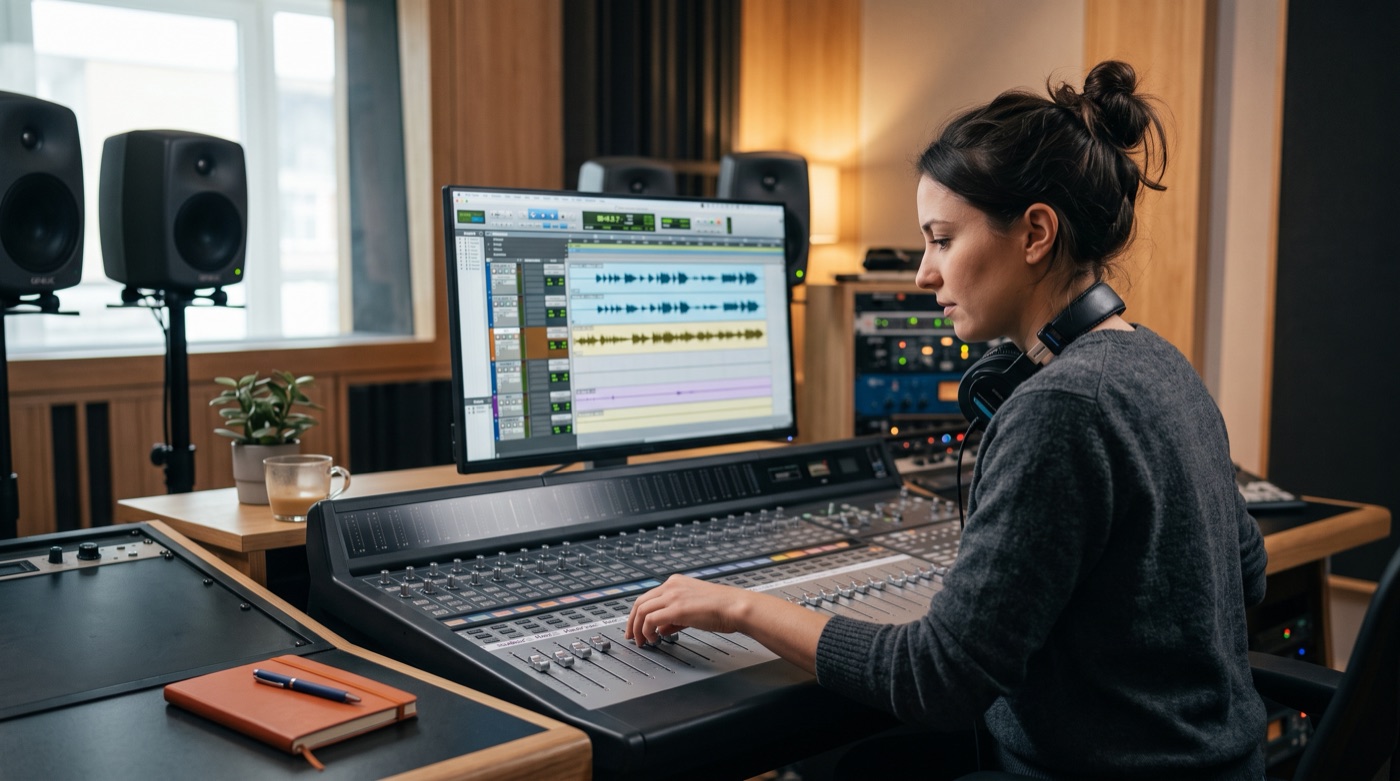
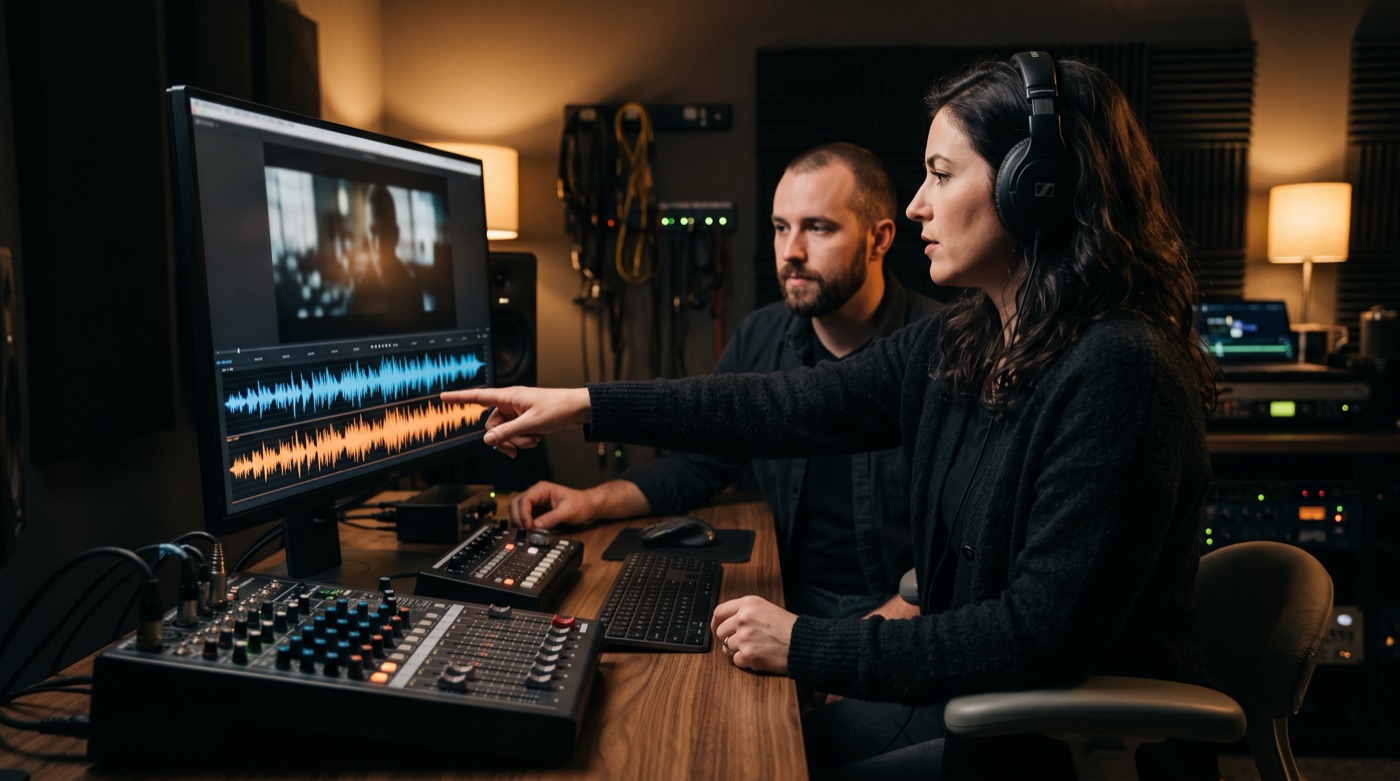
The other change is on the production side. Music used to be something you went looking for in a library after the edit was locked. Now it can be generated along with the picture. Sonilo CEO Shawn Song puts it this way: music is still often treated as something creators have to search for when making videos.
One detail in Sonilo's approach is worth a brand's attention. The music is delivered as a separate audio track, so its volume can be adjusted without touching dialogue, voiceover or sound effects. The benefit goes beyond mixing. If a licensing question comes up later about a piece of music, a separate track lets you replace the music alone and keep the rest of the video.
A note on the numbers: the results Sonilo has published, such as editors accepting the model's first attempt on 87% of clips, come from the company's internal tests and have not been independently verified.
Four checks before you use AI video music

1. Ask where the training data came from, and get it in writing
Ask the tool vendor or your production partner what the model was trained on, whether that content was licensed, and whether any litigation is under way. A verbal "it's fine" does not count. You want at least a link to official documentation or terms.
2. Confirm your plan covers advertising and paid media
"Commercial use" means something different at every vendor. Check each case separately: your own social channels, paid ads, client work, and any limits on territory or duration. Free plans are usually excluded.
3. Read what the terms say about ownership and third-party revenue
Confirm three things: whether rights in the output belong to you, whether the vendor offers any warranty or indemnity, and whether rights holders could claim revenue from your video on video platforms. For campaigns with significant spend, have legal counsel read the terms.
4. Keep a music record for every video
Note the tool and plan you used, the date of generation and the version of the terms at that time, and save the music as a separate track. Terms get revised and models get retired. This record is the only thing that will later show you were compliant at the time. We made the same point about dubbing in One Video, Many Languages: keep audio assets on separate tracks.
Conclusion: AI matches the beat, people choose the emotion
The technical problems of AI video music are being solved quickly: matched length, on-beat pacing, several versions in seconds. Two things remain unsolved and should not be handed to AI. One is the licensing judgment, which takes a person reading the terms, asking the questions and keeping the records. The other is taste. The same footage says something entirely different with different music behind it, and only a person can decide which emotion is truly yours.
TitApeX helps brands plan AI video production from script and picture through to sound, with licensing and asset management designed in from the start. To see how you might begin, take a look at our services or get in touch.
References
- Music Week: Suno rolls out new generation of AI music models with Warner Music Group, BMG and Believe (September 9, 2026)
- Music Business Worldwide: Suno launches v6 AI music models in partnership with WMG, BMG, and Believe
- Music Week: UMG and ElevenLabs to launch AI-powered music platform as part of 'groundbreaking' deal (September 10, 2026)
- PR Newswire: Sonilo Launches Licensed AI Music Generator for Video on fal.ai (June 22, 2026)
- Variety: AI Audio Startup Sonilo, Founded by TikTok Veterans, Raises $11 Million in B Capital-Led Round (October 8, 2026)
Comments