New Models, New Faces: How AI Helps Supercar Brands Tell First-Time Buyers from Collectors
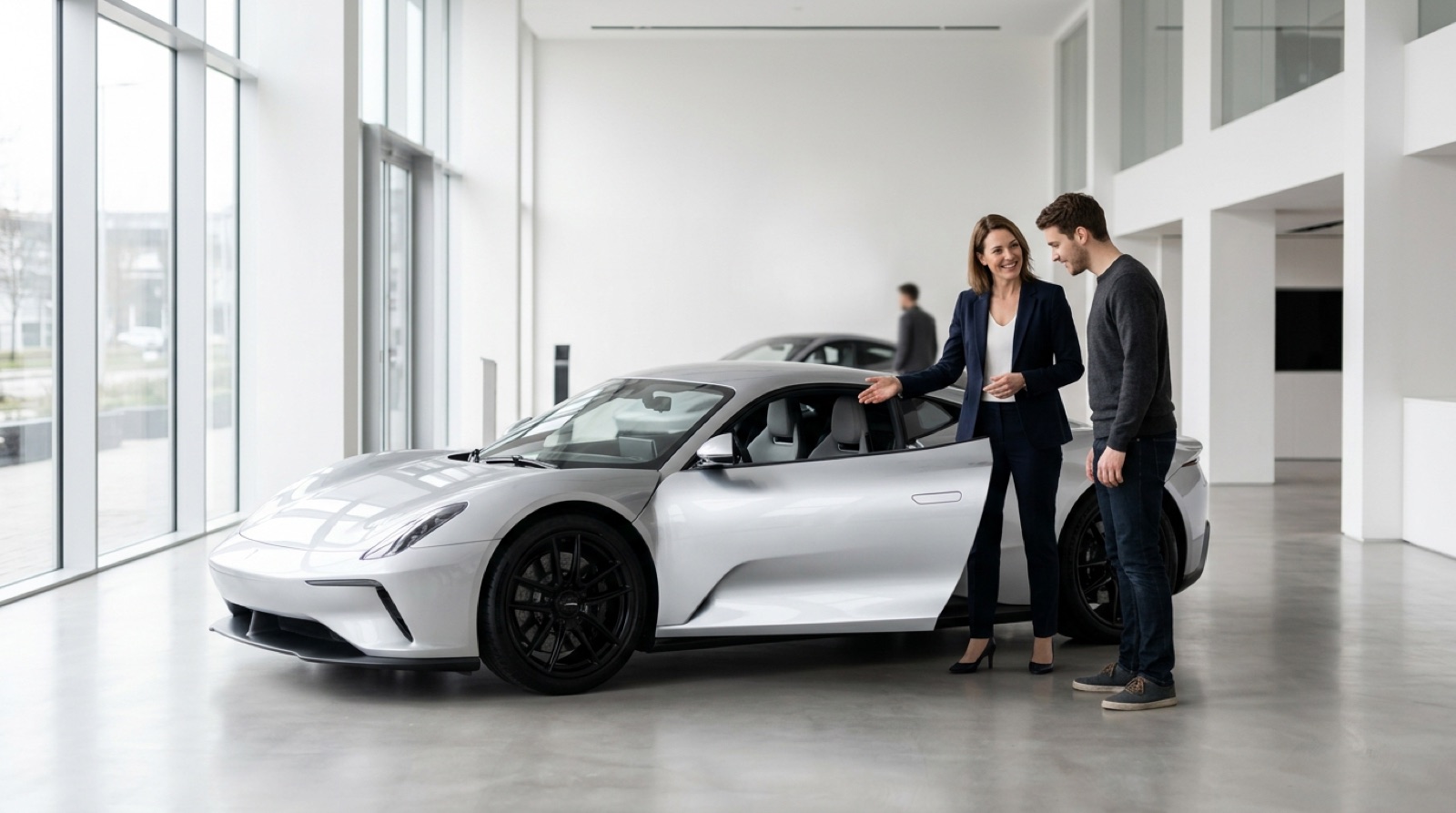
Supercar showrooms are seeing a lot of new faces in 2026. Ferrari revealed its first fully electric car, the Luce, in May, and CEO Benedetto Vigna told analysts in July that orders were coming from both repeat clients and new ones. In September, McLaren announced a £500 million investment in UK manufacturing and its first-ever SUV. New models bring more than volume: they bring people who have never walked into a showroom before. For these companies, the real value of supercar brand AI is telling a first-time buyer apart from a collector who has waited a decade for an allocation, and treating each of them the right way. This piece follows our earlier article, Fewer Cars, Deeper Clients, and focuses on one question: what happens when new buyers arrive.
The New Challenge for Supercar Brands: EVs and SUVs Bring New Faces

Ferrari's first-half 2026 results, published on July 30, showed revenue of €3.79 billion, up about 6%, while shipments fell from 7,087 to 6,802 cars. Its order book now covers all of 2027. The Luce is priced at around €550,000, and CarExpert, citing the Financial Times, reported that Ferrari's planned 2026 volume of just under 500 cars was allocated within two months of the reveal, though Ferrari has not confirmed the figure. Ferrari Australasia president Michele Comelli put it simply: the Luce has drawn high interest from both existing customers and people new to the brand.
McLaren is in a different position. Its sales dropped from just under 3,300 cars in 2024 to about 2,000 in 2025 as it restructured. Reuters notes that SUVs have become the main way luxury sports car makers widen their customer base, with Lamborghini's Urus as the clearest example. McLaren CEO Nick Collins said the new SUV "will bring something unique to the segment, which we think the customers will value."
The two companies are heading in different directions, but they share the same challenge: new models bring in buyers who don't know the brand's unwritten rules, while long-time collectors still expect to come first. Serving both groups well is the core task for the next few years.
Three Positioning Jobs for Supercar Brand AI

1. Telling new buyers from long-time collectors
Collectors know what they want: allocations for limited models, private events and a long relationship with their salesperson. New buyers are usually still learning. They want to know how an electric supercar feels to drive, or whether an SUV works as a daily car. AI can combine website behavior, event sign-ups, test-drive history and service records to estimate where each prospect is in their journey, so the sales team knows what to talk about before the first call.
2. Different content for different stages
The same Luce needs two stories. For a long-time owner, it is about how the car sits alongside the V12s in the garage. For a new client from the tech world, it is about the electric powertrain, the design thinking and everyday use. AI can draft different versions of videos, newsletters and invitations for each stage, but tone and wording must stay within brand guidelines, with the marketing team signing off.
3. Reading demand signals to plan allocations and events
When the order book runs two years out, the worst mistake is giving scarce test drives and event seats to the wrong people. AI can analyze inquiry volume, regional patterns and test-drive conversion to predict which cities need extra preview events and which groups are most active, so limited resources go to the people most likely to become long-term clients.
A New Buyer's First Journey: From Curiosity to Test Drive
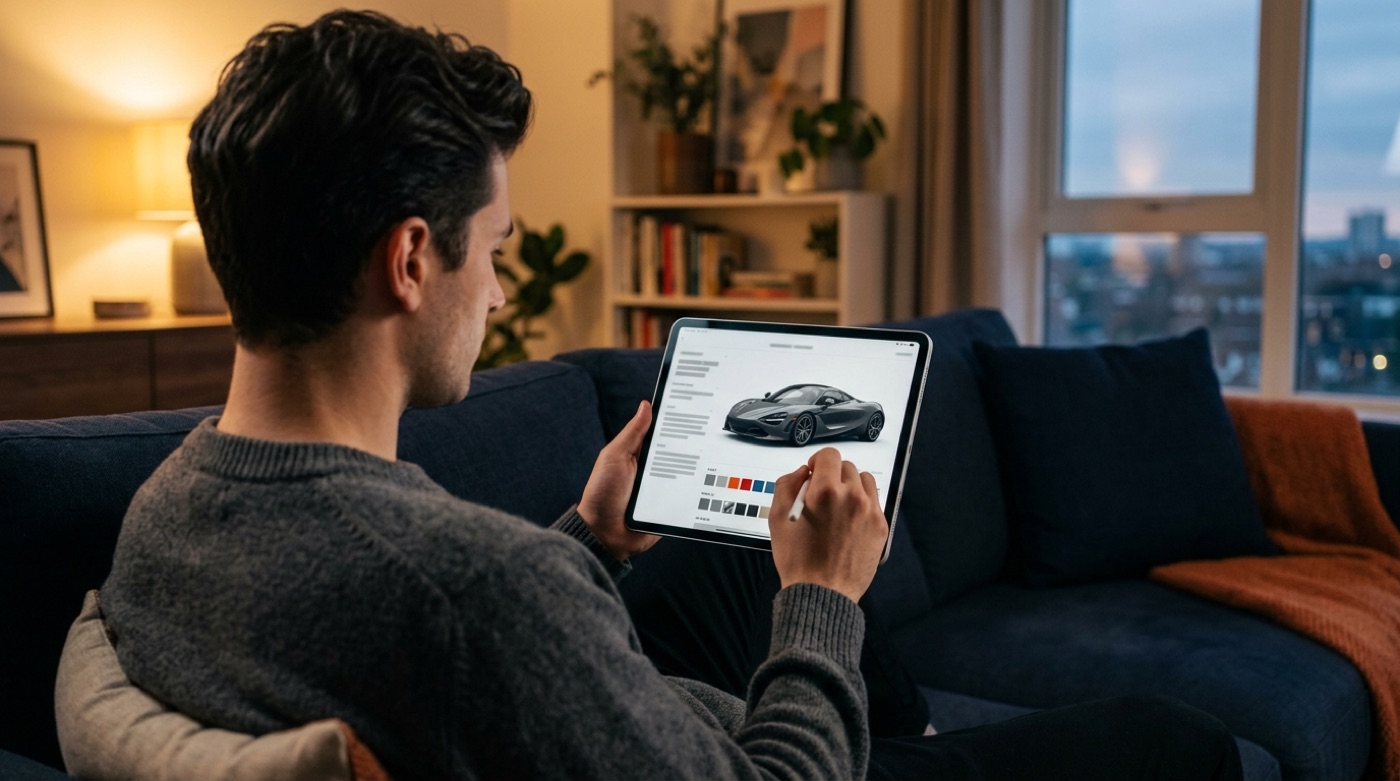
New buyers often get stuck at "how do I even ask?" They may not understand the allocation system, may not know whether they qualify to order, and may worry about asking basic questions. This is where AI helps:
- A 24-hour brand guide: a conversational assistant answers basic questions about model differences, delivery timing, charging and servicing, lowering the barrier for newcomers.
- Online configuration previews: new buyers can try colors and interiors at home and arrive at the showroom with ideas, so the first meeting goes deeper.
- Booking and routing: based on what they ask, guests are directed to a test drive, a preview event or a one-to-one consultation instead of all landing in the same queue.
The key is that AI only brings the guest to the door. Once they step inside, a person takes over. The moment a new buyer first sits behind the wheel calls for someone who understands both the car and the client.
What AI Cannot Replace: Who Gets a Car, How Newcomers Are Welcomed, When to Say No
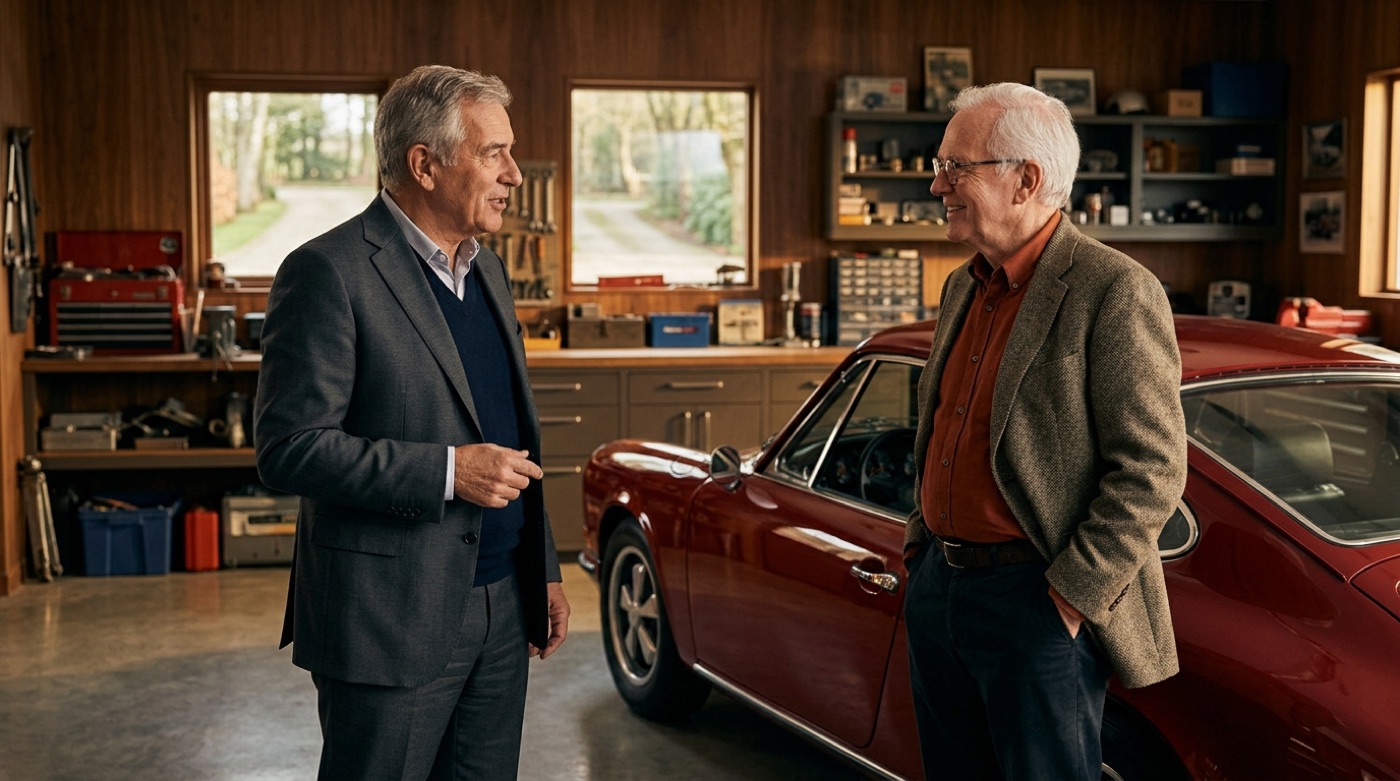
A supercar brand's most valuable assets are decades of client relationships and a carefully protected sense of scarcity. AI can support these things, but it cannot replace them:
- Allocation decisions: who gets a limited model depends on the brand's view of loyalty, collecting direction and resale history. That is a brand promise, and a person must own it.
- Welcoming newcomers: turning a new buyer into a ten-year owner happens when a salesperson brings them to club drives, introduces them to other owners and remembers their family. That relationship cannot be automated.
- Saying no gracefully: when a newcomer wants a limited model that others have waited years for, declining without damaging the relationship is an art only people can practice.
- Privacy and discretion: top clients value a low profile. Deciding which data to use and which topics to avoid takes human judgment.
Here is the division of labor we recommend:
AI handles:
- Organizing client data and identifying each client's stage
- Drafting segmented content
- Answering basic questions, booking and routing
- Analyzing demand signals and suggesting events
People handle:
- Allocation decisions and priorities
- Brand voice and final sign-off
- Test-drive hosting, delivery ceremonies and long-term relationships
- Discretion and protecting client privacy
Conclusion: Let New Buyers Be Seen and Collectors Be Remembered
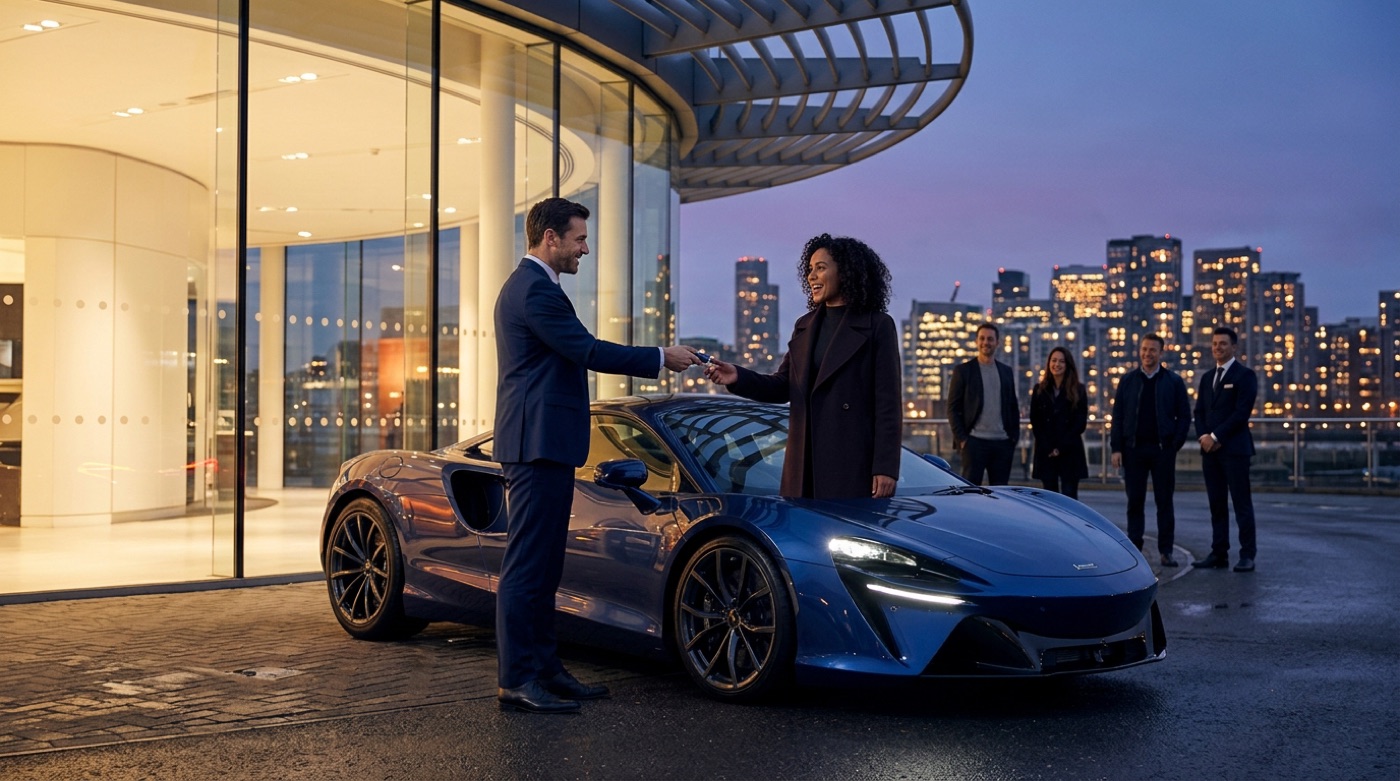
EVs and SUVs will make supercar clienteles more diverse, and that makes the way each person is treated matter even more. AI lets a brand recognize every guest right away and give them what they need to know. But making a new buyer fall for the brand, and keeping a collector willing to wait, still depends on people. That is what TitApeX believes: AI handles perfection, people create emotion.
If you are planning client data integration, segmented content or a bespoke client system for a luxury brand, take a look at TitApeX's services or get in touch.
Comments