From 0% to 71% in a Year: AI-Generated Fake Receipts Are Here. Four Checks Your Expense Process Needs
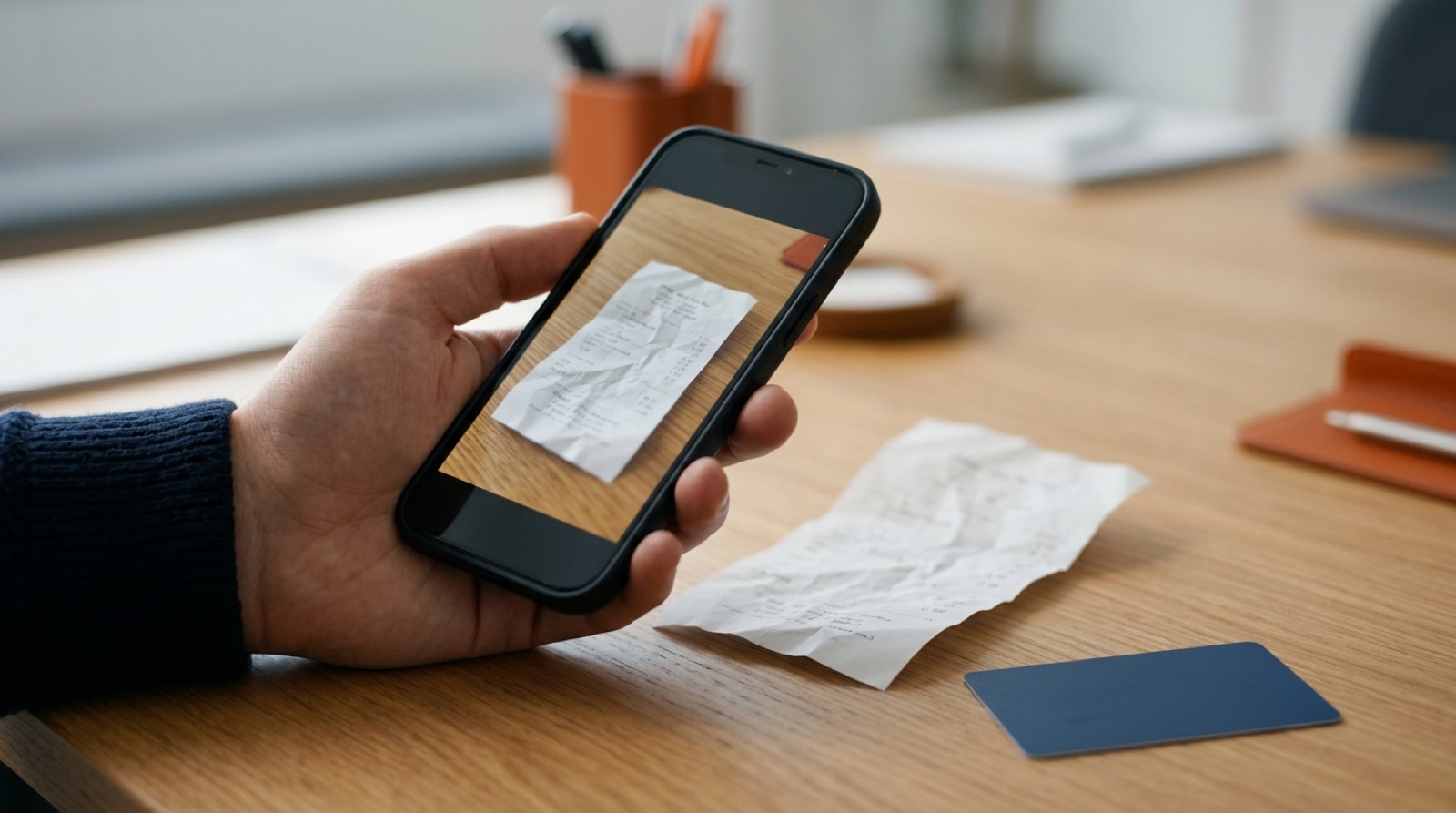
Faking a receipt used to take effort: find a template, change the numbers, match the fonts, and hope nobody looks closely. Now you can ask an AI for "a receipt from a Taipei restaurant on March 12 for NT$3,200" and get a convincing photo, complete with creases, shadows and grease stains, in seconds. AI-generated fake receipts are no longer hypothetical. Data from expense-audit platform AppZen shows that among the fake documents it flagged, the share generated by AI rose from 0% in March 2025 to 70.8% by mid-May 2026. Here is what that shift means, and which checks your expense process should add.
AI-generated fake receipts went from 0% to 71%: what happened
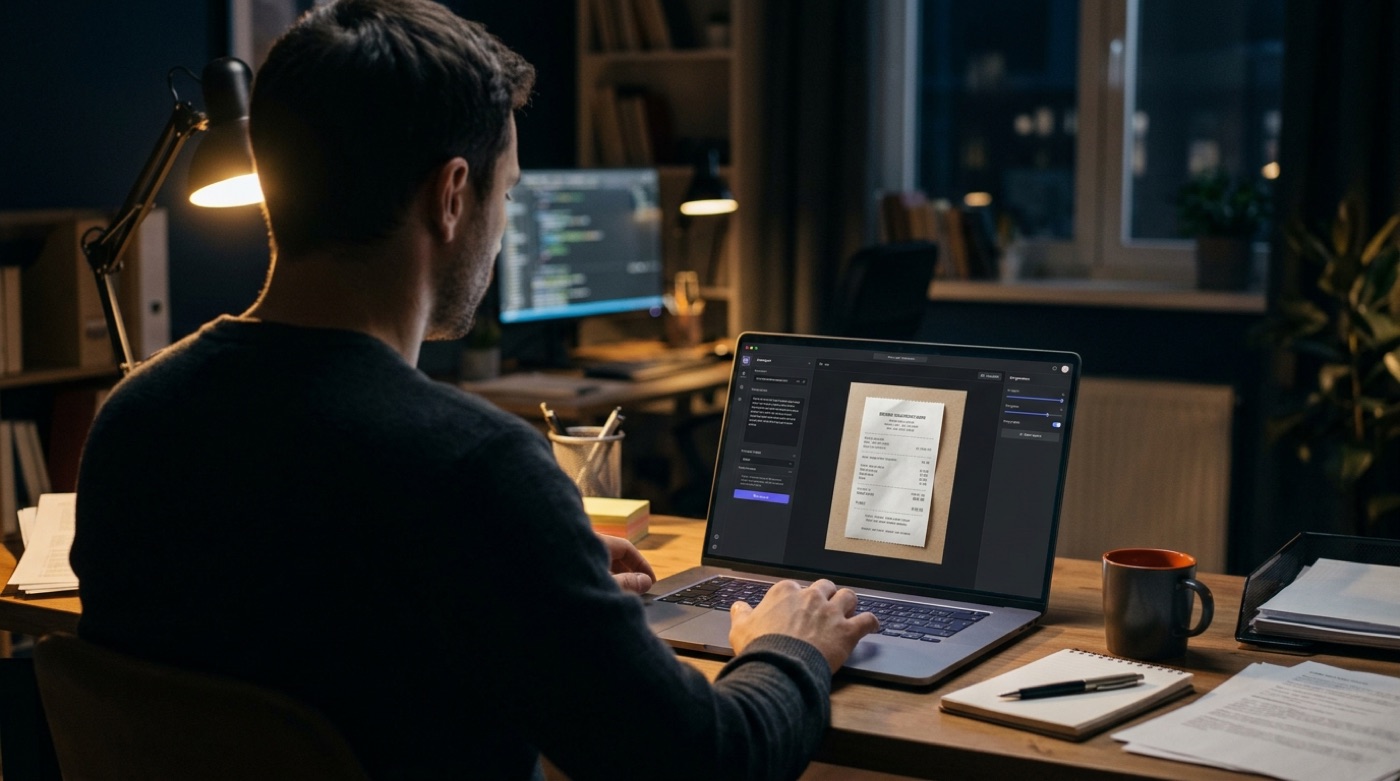
According to Accounting Today's June report, AppZen flagged 1,471 fake receipts by mid-May 2026, submitted by 745 employees at 174 companies, and about seven in ten were AI-generated. A year earlier, almost every flagged fake was a modified template. In April 2026, AI-generated fakes overtook templates for the first time.
A survey by expense-management company Emburse is even more striking. Of 2,000 workers in the US and UK, 34% admitted to using AI to create a fake business receipt, rising to 40% among US respondents. And 40% of those people used AI tools paid for by their employer.
These numbers come from one platform's audit data and a self-reported survey, so they cannot be read as an overall fraud rate across all companies. But the direction is clear: the cost of faking has dropped close to zero.
Why about $100: aimed right under auto-approval limits

AppZen's data includes a detail finance leaders should note. AI-generated fake receipts averaged about $100, with a median of roughly $32. Template-based fakes averaged $182.
The report's reading is that these amounts are deliberately sized to fall under auto-approval thresholds. Many companies speed up reimbursements by letting small claims skip manager sign-off. That convenience has become the easiest gap to exploit.
Another study cited in the same report found that 32% of US and UK finance professionals said they could not reliably spot an AI-generated receipt. In other words, judging whether a document "looks real" is no longer enough.
Not just catching people: the management gaps behind fake receipts

Treating this purely as employee dishonesty misses the more important signal. The Emburse survey also found:
- Financial pressure: 22% had submitted a personal purchase as a business expense because money was tight.
- Slow reimbursement: while waiting to be repaid, 51% of US respondents paid extra fees or interest.
- Unmanaged company AI tools: as noted above, four in ten of those who faked receipts used tools their employer provided.
An Emburse executive quoted in the report noted that many employees are not deliberately misusing AI; the real problem is a lack of oversight. It is the same point we made in "Employees Are Already Using It: Instead of Banning Shadow AI, Give It a Proper Path": once AI tools are handed out, usage rules, permissions and audits have to follow.
Four checks your expense process should add
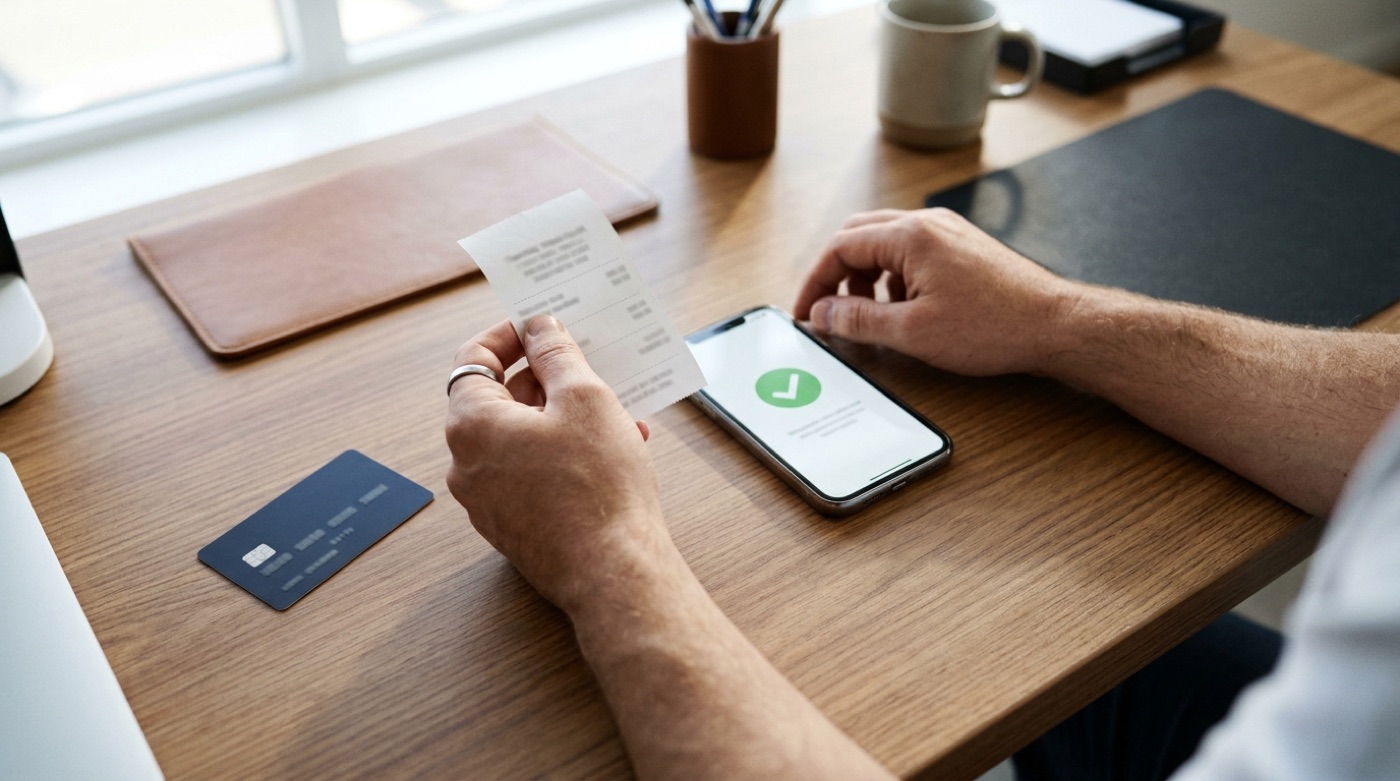
The most effective response to AI-generated fakes is not asking colleagues to "look more carefully". It is redesigning the process so there are fewer gaps to exploit. Start with these four:
1. Revisit auto-approval thresholds
You do not have to remove them. Add random spot checks, or flag several small claims from the same person in a short period, so that "just under the limit" no longer means "never reviewed".
2. Verify the source instead of trusting a photo
In Taiwan, e-invoices can be checked on the Ministry of Finance's e-invoice platform, and company or virtual card transactions can be matched directly. Many markets offer similar verification. The more expenses move from "employee uploads a photo" to "the system receives the transaction data", the less room fake receipts have.
3. Let AI do the matching, and people make the call
Expense systems now use AI to spot anomalies: times and places that do not line up, the same image reused, unusual amount patterns. These tools are well suited to screening at volume, but the final call, especially when it involves trust between colleagues, still needs a person.
4. Make reimbursement faster, and the rules clearer
Payment speed, what can be claimed, and what company AI tools must not be used for should be written down clearly and communicated regularly. Reducing the motive matters as much as raising the bar.
Conclusion: AI makes faking cheap, so process design has to keep up

AI-generated fake receipts are a reminder that many safeguards which relied on "faking is a hassle" are quietly failing. This is not only a finance-team issue; it is a process redesign every company adopting AI will face. AI handles perfection, people handle what moves us. The same applies here: let AI do the high-volume matching, and let people focus on policy and trust.
When TitApeX helps companies plan AI adoption and internal systems, we design these rules and audit flows in from the start. If you are digitising expenses, procurement or other internal workflows, let's talk, or take a look at our services.
Comments