More New Collectors, More Homework: How AI Sharpens Positioning in the Art Market
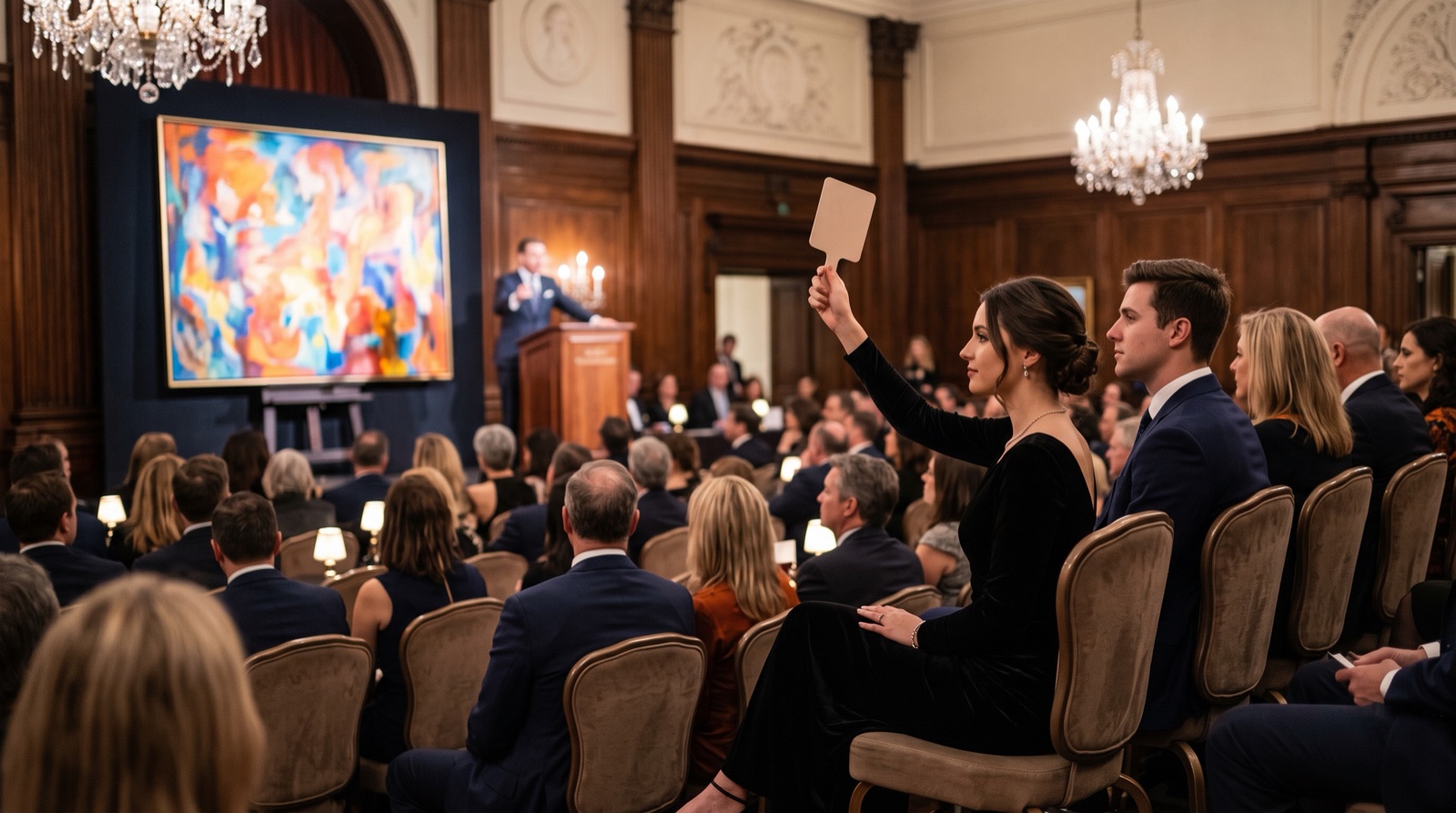
The art market came back fast in 2026, but the people in the saleroom have changed. Combined auction sales at Christie's, Sotheby's and Phillips rose 70% year on year in the first half. Christie's says 30% of its first-half clients had never bid with the house before, and 85% of all bids arrived through digital channels. There are more new collectors, and they are younger and used to doing their own research. In this market, art market AI is not about sending the same catalogue to more people. It is about putting the one work that will move a particular collector in front of them at the right moment. This article draws on the latest market reports to look at how AI automation helps galleries, auction houses and art advisors position more precisely, and at what must stay entirely human.
The new reality: new collectors are arriving, and they are online
Start with the overall picture. The Art Basel and UBS Global Art Market Report 2026 puts global art sales in 2025 at about $59.6 billion, up 4% and the first year of growth since 2022. The recovery sharpened in the first half of 2026: analysts at ArtTactic count $6.8 billion in global auction sales at the three major houses, a 91% sell-through rate, online-only auctions up 22%, and a record 33,474 lots sold online.
The faces have changed too. Of Christie's new first-half clients, 47% were millennials or younger. Sotheby's CEO Charles Stewart was blunt about the cause, calling the wealth being created now the number one factor in the business, and pointing to tech IPOs and the AI boom.
The heat, though, is concentrated at the top. Newsweek notes that gallery operating costs rose about 5% on average in 2025, and 38% of dealers reported lower profits. More new collectors, no more staff: every touchpoint has to count.
Three precise-positioning plays for art market AI

1. Segmenting by "why they collect", not just "what they can afford"
Collectors with the same budget can have entirely different motives. One wants a collection with a clear thread, another is thinking about asset allocation, a third simply wants something on the wall of a new home that makes them happy. The Art Basel and UBS report shows that luxury categories such as watches, jewellery and design accounted for 38% of first-time buyers, so many new collectors walk into art from somewhere else. AI can read those differences in enquiry records, browsing and bidding behaviour, so the sales team knows which kind of work, and which kind of explanation, this client should see first.
2. Personalised content and online viewing
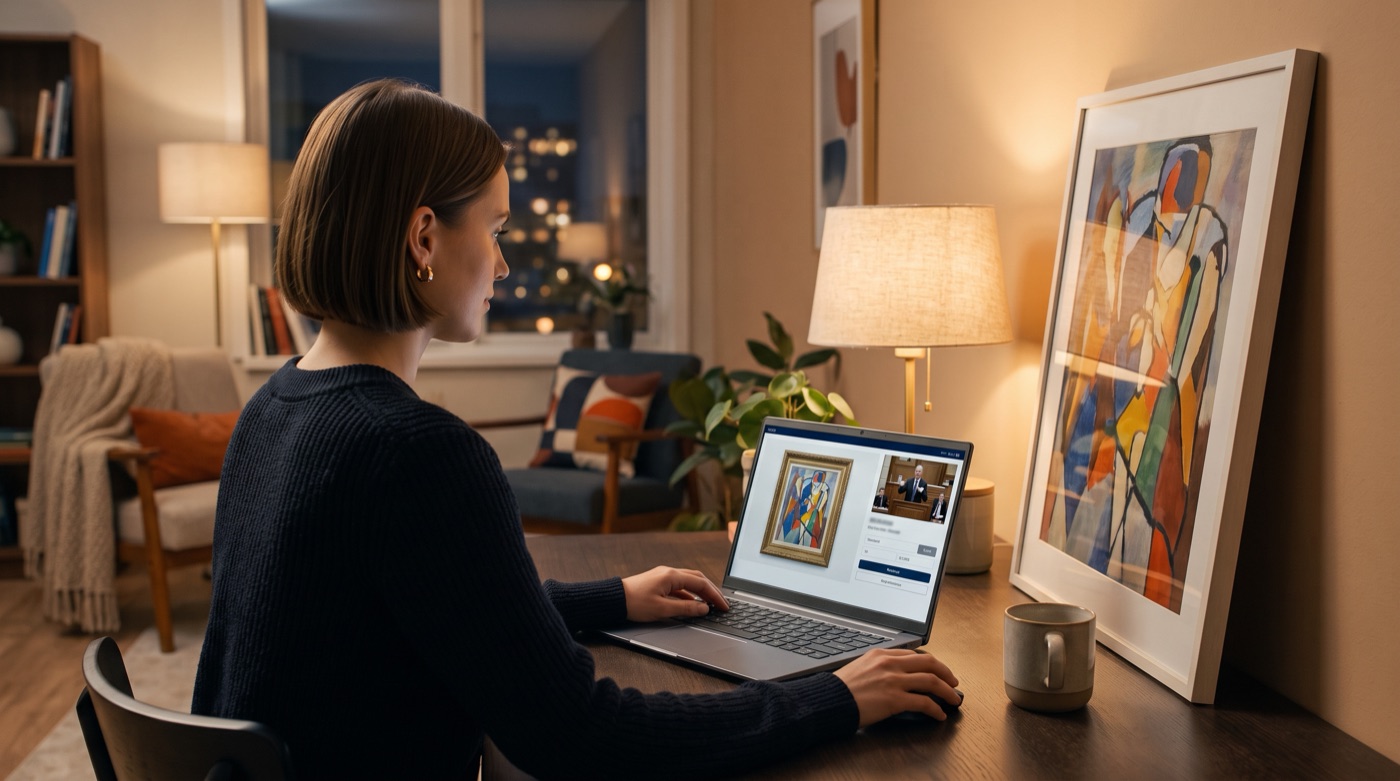
When 85% of bids come through digital channels, how a work is described and found on a screen is the first impression. Recommendations on platforms like Artsy draw on the categories a gallery assigns to each work and on what collectors follow and save. In other words, how well the artwork data is filled in decides whether it appears in front of the right person. AI is well suited to turning one work's data into several versions: exhibition history and literature for the seasoned collector, an introduction for the newcomer, multilingual descriptions, and guide text for online viewing rooms.
3. Pricing and market data
Auction records are among the few public data points the art market has. AI is good at organising an artist's past results, dimensions, media and estimates into a market brief that is always at hand. But every work is unique: condition, provenance and where the piece sits in the artist's career are not in the spreadsheet. Data gives the range. The judgment still belongs to a person.
Authenticity and provenance: AI is supporting evidence, not a verdict
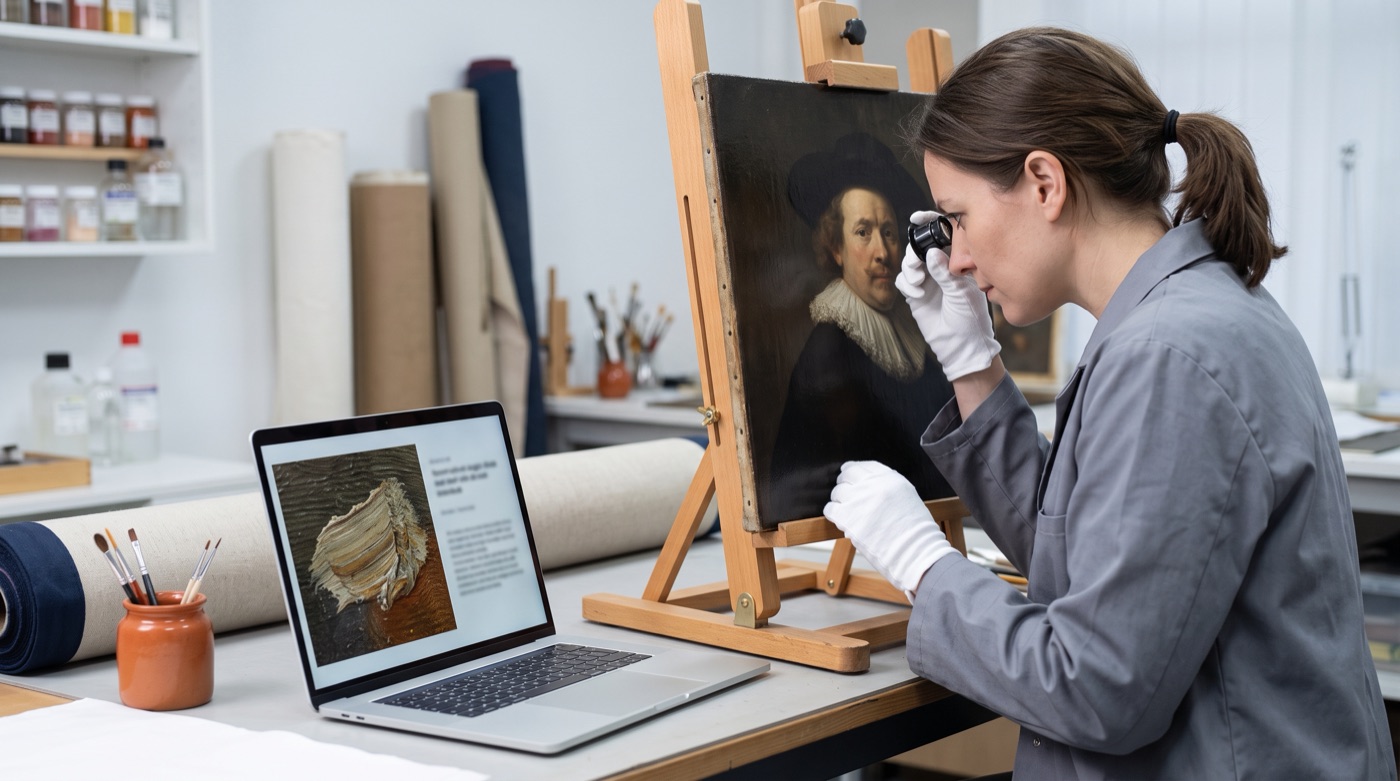
It is hard to talk about art and AI without talking about authentication. Services that use AI to compare brushwork and assess authenticity already exist, and they are contested. In 2025, an AI analysis by a Swiss company concluded that parts of The Bath of Diana, long regarded as a copy, could be by Rubens. The leading Rubens scholar Nils Büttner promptly disagreed.
Writing in The Art Newspaper this January, Jane Kallir, president of the Kallir Research Institute, set out several limits. AI looks at digital photographs, and their quality depends on how they were taken. Training a model takes a great many images, and most artists simply did not make enough work. Scientific tests can rule out an attribution but cannot establish one on their own. The biggest risk, she argues, is that AI offers an illusion of objective certainty in a field that rests on judgment.
The practical approach is to treat AI as one piece of supporting evidence, alongside the literature, provenance documents, material analysis and expert opinion. AI can help digitise and organise provenance records. Standing behind authenticity is the responsibility of people and institutions.
What AI cannot replace: the eye, trust and the deal
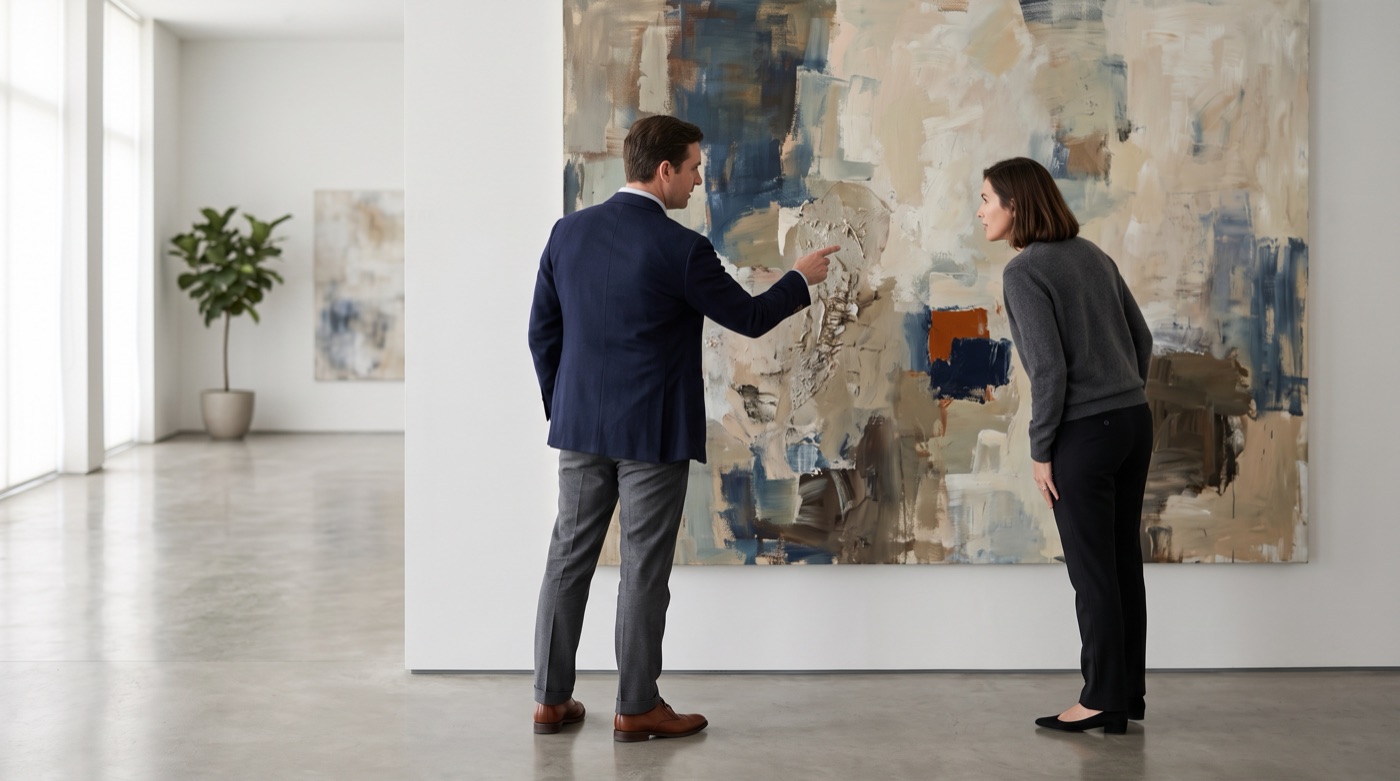
In April, the law firm Holland & Knight summarised an Artsy survey of more than 300 gallery professionals. Galleries that use AI mostly use it in the back office: drafting communications, research and data management, operations and exhibition planning. Nearly one third do not use AI at all. That makes sense, because the heart of the art trade is not in the back office. These are the things we believe must be done entirely by people:
- The eye and curatorial judgment: which artist deserves long-term support, which work is the key one, how an exhibition should tell its story. This comes from years of looking.
- Personal relationships and trust: collectors share their direction, their budget and even family succession plans with an advisor because of trust built over time.
- Privacy and discretion: private sales run on who knows whom. Holland & Knight also warns that handing unpublished artwork images and client data to third-party AI tools carries confidentiality risk. A person has to guard that line.
- The moment in front of the work: scale, surface, colour under real light, and an artist's story only land in person, told by someone who knows.
- Negotiation and closing: reading what the other side really cares about and finding a way through, before and after the sale, is between people.
A clear division of labour looks like this:
- AI handles: organising and segmenting collector data, first drafts of artwork descriptions in several versions and languages, compiling auction data, digitising provenance documents, follow-ups and reminders.
- People handle: selection and curation, relationships, privacy, standing behind authenticity and condition, viewings, negotiation, and deciding which work should not be sold to whom.
Conclusion: let technology be precise, let people be moving
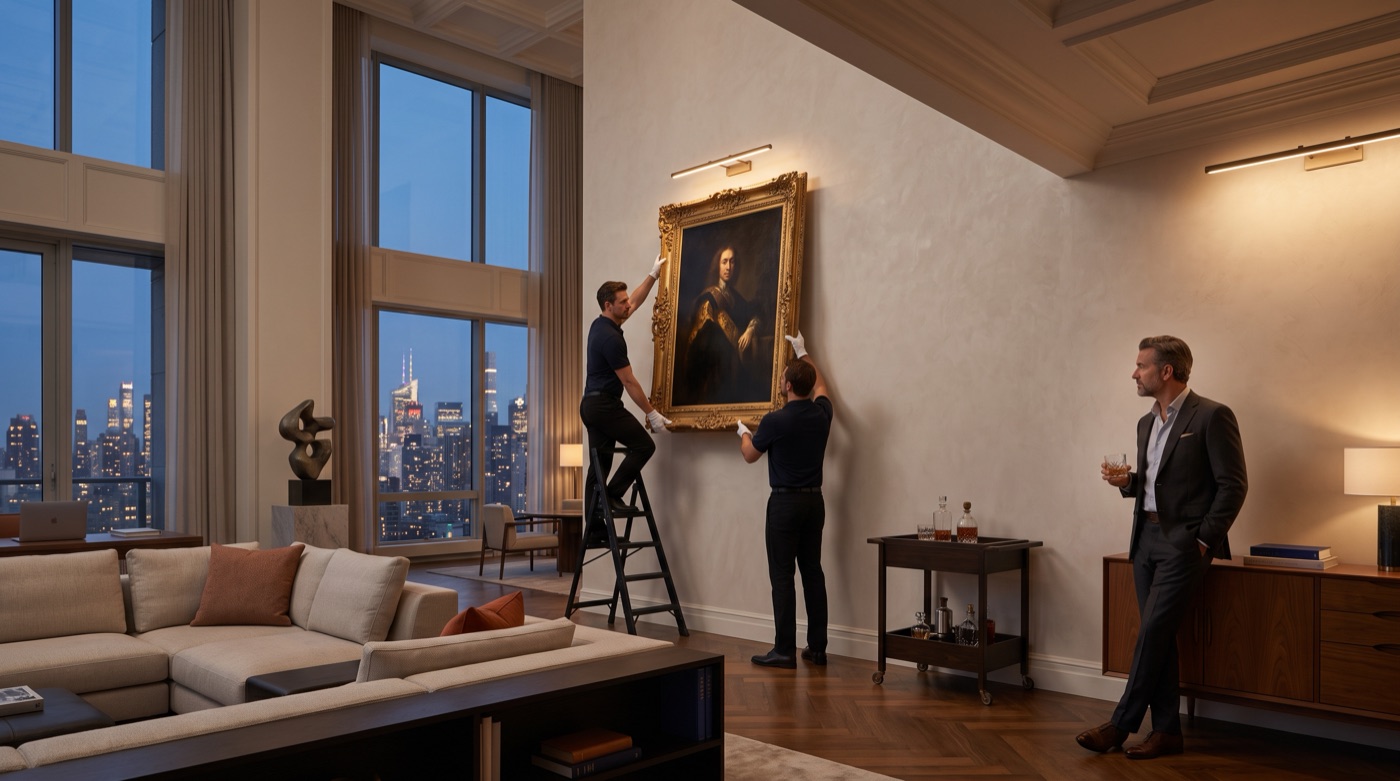
The new generation of collectors researches, compares and bids online. What finally makes them raise the paddle is still the feeling a work gives them, and trust in the person in front of them. AI can make data, content and market information consistent and precise, and give time back to what matters most: looking at art with collectors. That is what TitApeX means by "AI perfects, people move." We made the same case for property in More Buyers, Less Urgency: How AI Sharpens Positioning for Luxury Homes.
If you run a gallery, an auction business or a high-end collecting brand and want your website, artwork data and content to be understood by both collectors and AI, take a look at our services or talk to us.
References
- Artlyst: Art Basel And UBS Global Market Report 2026 Highlights Growth
- The Art Newspaper: Auction houses made significant recoveries in 2026, ArtTactic report finds
- Quartz (via Yahoo Finance): Auction houses post record first-half 2026 sales amid AI wealth boom
- Newsweek: The Expanding Role of AI Across the Global Art Industry
- Holland & Knight: Artificial Intelligence in the Art Market
- The Art Newspaper: In the age of AI, can art expertise be digitised?
- Artsy for Galleries: Introduce your artists to collectors looking to buy
Comments