
What Do Consumers Value Most in a Brand Experience? 2026 Survey Says Dependability
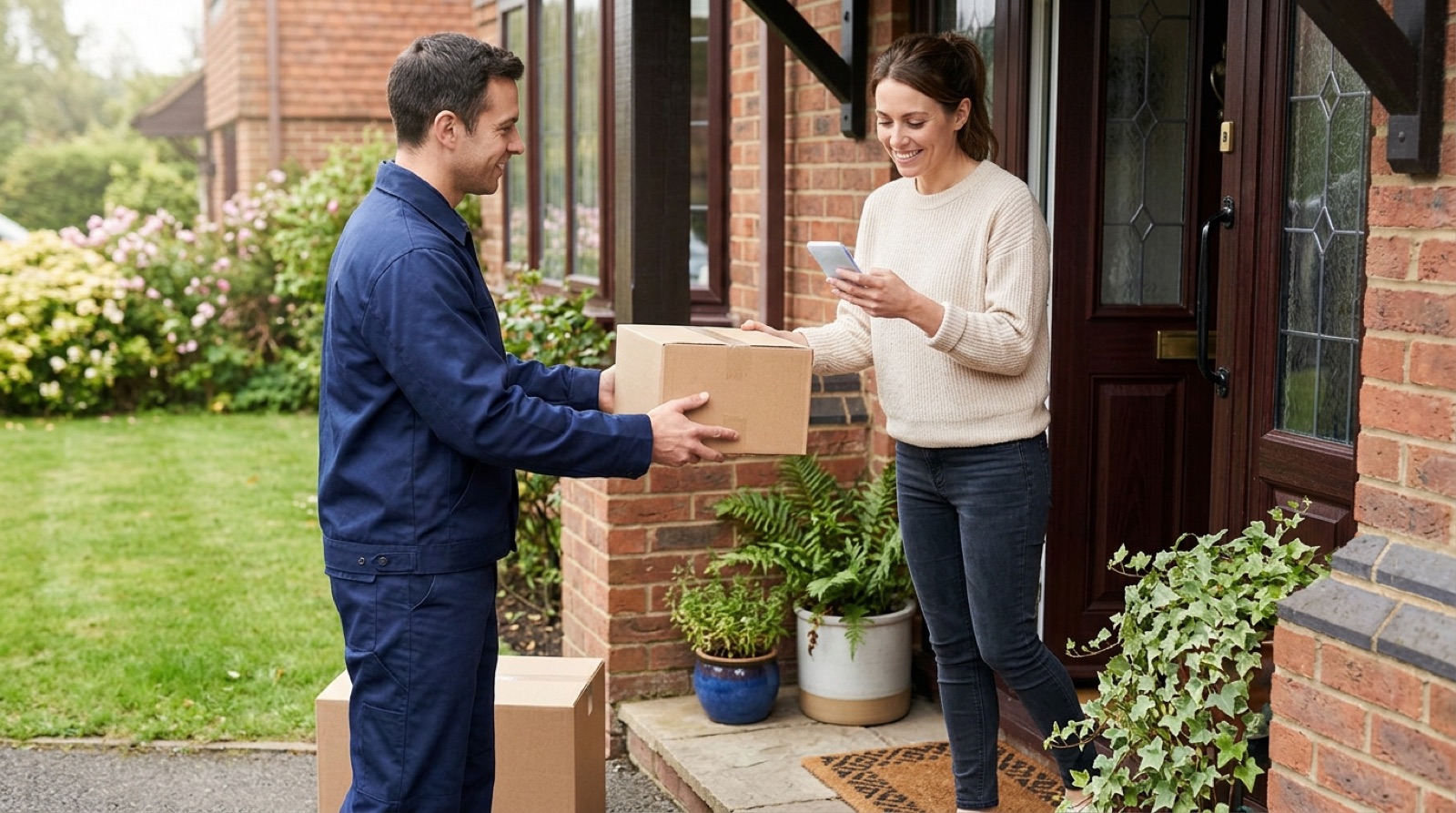
When budgets tighten, what do consumers value most in a brand? PA Consulting's 2026 Brand Impact Index, released at the end of July, asked 7,000 U.S. consumers to rate 297 consumer goods and electronics brands. The answer is plain: the strongest driver of engagement is not innovation or sustainability, but dependable delivery. The same study found that executives are moving dependability down their priority lists. Here is what the research shows, and how brands can re-check their own brand experience.
The Top Brand Experience Driver Is Dependability: What the Survey Shows
The index scores brands on five areas: dependable delivery, intelligent innovation, customer-centricity, sustainability and community impact. This year the first one came out strongest. The context explains why: 87% of respondents are affected by rising costs, 82% have changed their household or grocery buying habits, and 47% are buying fewer items overall. When money is tighter, people take fewer risks.
The top ten makes the point too. BAND-AID ranked first and Dawn dish soap second, with Canon, Samsung, PlayStation and Apple also on the list. These are not the brands that dominate trending topics. They are the ones that work every time. PA Consulting notes that top-performing brands earned twice the willingness to pay a premium and 1.8 times the forgiveness for mistakes compared with other brands. Dependability is pricing power and a crisis buffer in one.
Executive Priorities Are Drifting Away From Customers

The other half of the study surveyed 370 brand executives, and that is where the gap appears:
- Dependability is slipping down executive priority lists, even though it moves consumers most.
- 75% of leaders are scaling AI investment, yet only 45% say their organizations adapt quickly when consumer preferences change.
- 32% of brands are investing proactively in growth and feel optimistic, while 28% have stalled and risk falling behind.
A separate Clutch survey of 552 U.S. consumers about World Cup advertising, published in August, points the same way: 40% said this year's ads were more memorable than before, but 46% said no campaign made them want to buy anything. Memorable is not the same as trustworthy. What customers finally pay for is usually the experience that comes after the ad.
Use AI to Make the Experience More Dependable Before Making It Smarter

The most striking number: only 29% of consumers are comfortable with AI in brand interactions, down from 60% in 2025. That does not mean brands should avoid AI. It means they should think hard about where it goes.
PA Consulting's Jorge Aguilar says consumers want dependable experiences that solve their problems "without generating more friction." By that standard, AI often does its best work behind the scenes:
- More accurate information: stock, prices, opening hours and shipping status kept in sync across the website, social channels and stores.
- Steadier promises: delivery estimates, booking slots and returns, with data used to spot orders likely to be delayed and notify customers first.
- A clear path to a person: AI customer service can handle common questions, but the route to a human has to be obvious. We covered how to design it in Leave the Door to a Human Open.
Four Dependability Checks for Your Brand Experience

You do not need a large survey. Brand owners can start with these four:
- Are your promises consistent? Do ads, the website, packaging and customer service give the same delivery times, prices and offer terms? Any mismatch gets remembered as "unreliable."
- Is your information current? When were the website's opening hours, specs and stock status last updated? Stale information is the most common dependability gap, and the easiest to fix.
- Is every response equally good? Does the same question get the same answer from different staff and channels? Build an internal knowledge base so people and AI answer from one standard.
- Do you fix mistakes fast enough? Forgiveness depends on good handling. Write down how delays, stockouts and complaints are handled: who owns it, how many hours to respond, how compensation works.
After these four checks, you will usually find the problem is not in the marketing team but in the gaps between systems: an order system that does not talk to the website, customer service that cannot see shipping status, a promotion that changed prices without telling the stores. Closing those gaps does more for customer confidence than another campaign.
Conclusion

In a year when consumers count every dollar, a brand's best marketing may not be a louder ad, but making every touchpoint go exactly as expected. Dependability sounds ordinary, yet it is the foundation of premium pricing and trust. AI handles perfection, people handle emotion: let AI keep information and processes steady behind the scenes, and let people build relationships up front. If you want to make your brand experience more dependable, starting with your website, order flow or customer service system, see TitApeX's services or talk with us.
Comments