
Supercar Auction Prices Hit a $748M Record: How AI Helps Price and Document Collector Cars in 2026

At Monterey Car Week this August, five auction houses sold a combined $748 million worth of cars, up more than 70% from $433 million in 2025 and a new record. According to Hagerty, modern supercars beat expectations and made up more than half of all sales: a Ferrari Daytona SP3 brought $17.8 million, far above its estimate, and the F50, F40 and Enzo all set new marks. Yet in the same week, one car was bid to $3.4 million and still went home unsold. The rules of the supercar auction market are now clear: buyers will pay a premium for cars whose story is well documented, and they are growing colder toward everything else. For supercar dealers, auction consultants and collectors, this is exactly where AI automation helps most: making that story precise.
The New Supercar Auction Reality: Great Cars Climb, Ordinary Cars Struggle
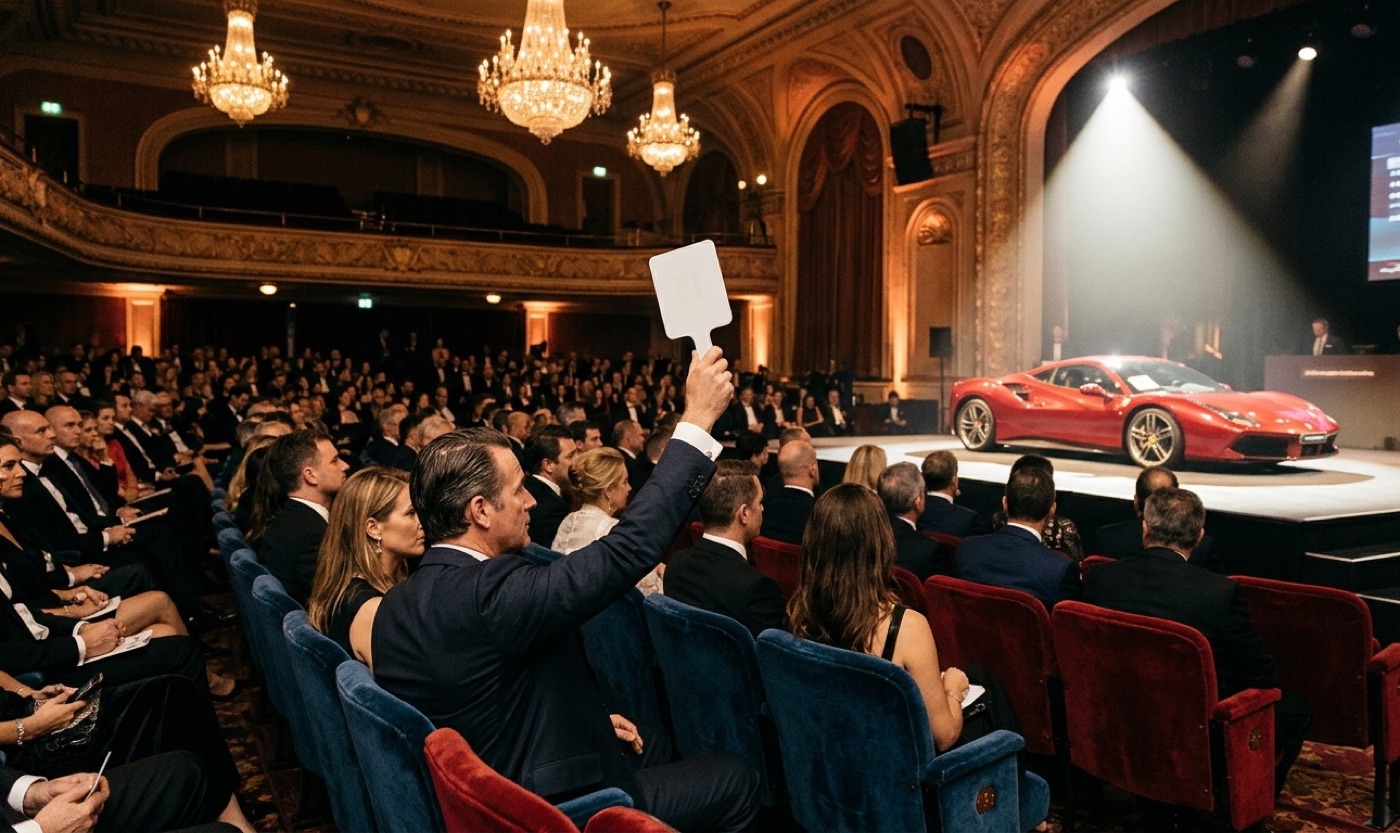
Across the week, 1,124 cars crossed the block and 844 sold, a 75% sell-through rate, almost identical to last year. But the average sale price jumped from $529,000 to $866,000. The money did not spread evenly; it concentrated on a small number of exceptional cars.
Motorious summed it up plainly: cars with unimpeachable history drew fierce bidding, while ordinary examples sold softly or not at all. A Ferrari 812 Competizione Aperta was bid to $3.4 million and the seller declined. A 1961 250 GT SWB, wrecked in period and without its original engine, sold below the Hagerty Price Guide's fair-condition value.
Two lessons follow. First, supercars are now treated as assets, and buyers scrutinize every detail like investors. Second, if a seller cannot prove a car's value, even a rare model may fall short of its potential.
How Supercar Auction Pricing Works: AI Turns Every Sale into Evidence

In this market, price differences hide in the details. The F50 sold at Monterey was one of 31 finished in Giallo Modena. A Rosso Corsa Enzo beat the previous record for that color by 25%. The Lamborghini Diablo GT and Mercedes-Benz SLS AMG Black Series also set model records. Color, specification, mileage and production numbers can each move a price by a million dollars or more.
What AI can do for pricing:
- Organize comparable sales: Sort public results from major auction houses and private sales by model, year, color, specification, mileage and condition, so the team works from truly comparable data rather than memory.
- Flag rare specifications: Cross-check factory production data against past results and highlight which details (a special color, a manual gearbox, a limited serial number) deserve emphasis in the estimate and the listing.
- Suggest reserves and timing: Use recent sell-through and no-sale records for similar cars to help sellers and consultants agree on a realistic reserve, avoiding the kind of expectation gap that left the Competizione Aperta unsold.
AI provides ranges and reasoning. The final number still belongs to an expert who knows the market.
Digitizing Provenance: Mileage, Factory Certification and Ownership Records
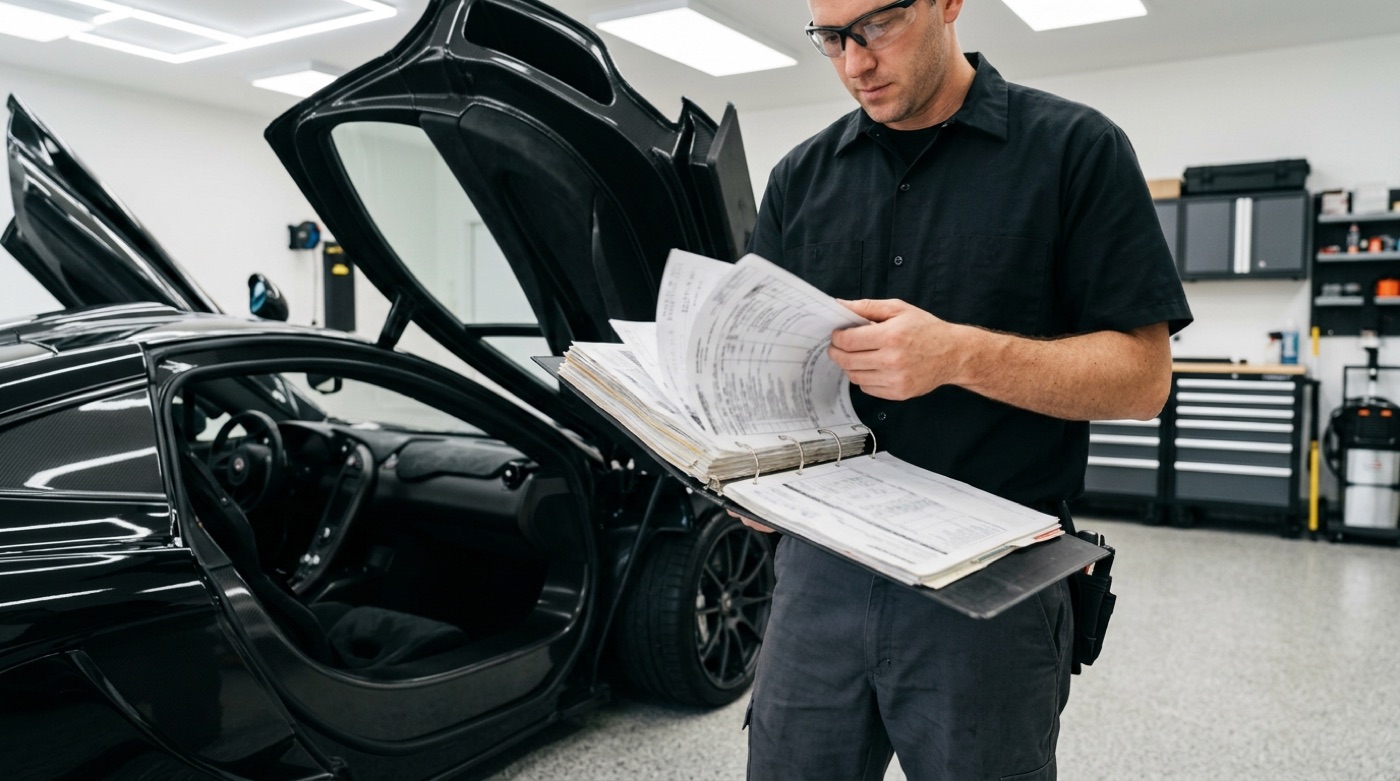
The Enzo that sold for $12.1 million at Mecum had just 595 miles. Another Enzo, sold for $10.675 million at Broad Arrow, drew its value from Ferrari Classiche certification and single-family ownership. The week's top car, a 1964 Shelby Cobra Daytona Coupe at $42.9 million, was one of only six built, with a documented race record and 23 years in Carroll Shelby's own hands.
Provenance is price. Yet most supercar histories are scattered across paper service invoices, old photos, owner correspondence and documents from different countries. AI can help:
- Digitize paper records into a timeline: Arrange service, parts, accident repairs and ownership changes in order, so gaps are obvious at a glance.
- Flag what needs verification: Missing service years or inconsistent mileage readings can be resolved or disclosed before the car goes to auction.
- Produce multilingual vehicle files: Let overseas buyers understand a car's story before they ever see it.
One caveat: AI can organize and flag, but it cannot certify. Authenticity and condition must be confirmed by factory certification, qualified technicians and appraisers. An AI-built file is a starting point for experts, not a substitute for them.
Finding the Right Collector: From Who Buys Similar Cars to Personalized Outreach

With modern supercars accounting for more than half of sales, the buyer base is changing too: long-time collectors on one side, and newer buyers treating supercars as part of their asset allocation on the other. They care about different things, even for the same car. AI can help:
- Organize client preferences: Record the models, colors, budgets and collecting direction each client has inquired about, bid on or bought, so that when a new car becomes available, the most likely buyers are already on the list.
- Tailor the presentation: Emphasize production numbers, factory certification and racing pedigree for seasoned collectors; explain market trends, storage and insurance for newer buyers. AI drafts the versions, and the consultant refines the tone.
- Enable remote viewing: High-quality video walkarounds and detail photography let buyers in another time zone do their homework first, so only serious buyers need to fly in.
We covered client relationships on the brand side in Fewer Cars, Deeper Clients: How AI Sharpens Positioning for Supercar Brands. This article focuses on the pre-owned and auction market.
What AI Cannot Replace: Expert Judgment, the Auction Rostrum and Collector Relationships
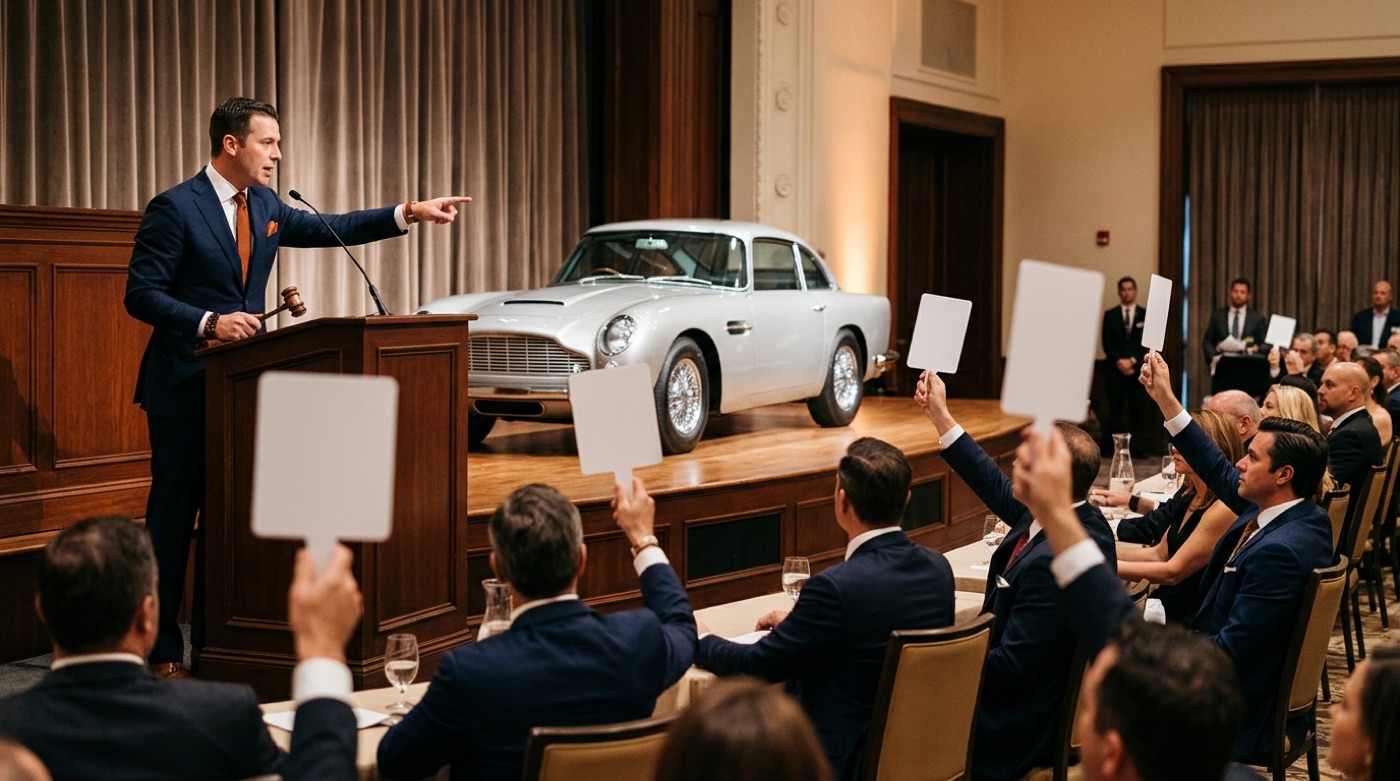
Collecting supercars has never been only about data. Whether a car is worth owning involves taste, story and trust, and the moment of sale often happens in the rhythm of an auction room or on a private phone call.
- AI handles: comparable sales, rare-specification detection, reserve ranges, digitizing provenance files and flagging gaps, client preference records, multilingual vehicle files.
- People handle: inspecting the car and judging its condition, deciding whether a provenance story is credible, the conversation with the seller about the reserve, choosing which collector to introduce a car to, reading the room from the rostrum, private negotiation and closing, and the promise of discretion.
What high-net-worth collectors care about most is often whether this person understands them and will keep their confidence. That trust is built deal by deal over years, and AI cannot do it for you.
Conclusion: Let Data Make the Case, and Let People Put the Car in the Right Hands

The 2026 supercar auction market is hot, but the heat belongs only to cars whose story is clear. Prices need evidence, provenance needs to be verifiable, and presentations need to reach the right people. That is the precision AI does well. The eye for a car, the judgment on the rostrum and the trust between collectors still belong to people. AI delivers perfection; people deliver emotion.
If you run a supercar dealership, a collector advisory or a high-end automotive brand and want to build your own client data system, vehicle provenance files or brand website, talk to TitApeX or explore our services.
Comments